Friday, 04 September 2026
MEDAN | INDATANEWS.COM - The recurring shortage of fuel (BBM) in several areas of North Sumatra can no longer be considered merely a temporary distribution disruption. Long queues at numerous fuel stations have once again become a worrying sight. In some locations, the queues extend onto public roads, disrupting traffic, increasing accident risks, and affecting people's daily activities.
Ironically, this is not the first time such a problem has occurred. Just one month ago, communities faced diesel shortages, and now similar difficulties have emerged with other types of fuel. These repeated incidents within a relatively short period indicate that problems within the fuel supply and distribution system remain unresolved. The situation can no longer be viewed simply as a technical issue but must be treated as a warning that fuel distribution management requires urgent improvement.However, the widespread public attention has yet to be matched by a rapid, transparent, and convincing response from the responsible authorities. During a crisis, swift public communication is an essential part of solving the problem. The longer an official response is delayed, the greater the opportunity for speculation, unverified information, and assumptions to spread within society.
As a result, public uncertainty continues to grow, while trust in the responsible institutions declines. The public needs more than explanations after a problem occurs; they also need certainty, transparency, and concrete measures to ensure that the situation is properly controlled before its impacts become more widespread.The consequences include rising operational costs, lost productive time, and slower regional economic growth. Therefore, fuel shortages are no longer merely an energy issue but have become a public supply problem that directly affects people's daily lives.
When citizens are forced to spend hours waiting to obtain fuel, the impact is not limited to mobility. Their productivity is also affected, along with the overall economic stability of the region.In public service management, success is not measured by how quickly authorities explain the causes of a problem after it happens, but by whether effective measures are established to prevent the same issue from happening again. If fuel shortages continue to occur within a short period, the public has the right to question the effectiveness of the existing distribution and control systems.
The government must not only be present through regulations and policies but must also ensure that strategic public needs are fulfilled reliably, fairly, and sustainably. Government responsibility is especially evident when people face difficulties accessing basic necessities that are essential to public life.A stable fuel supply is not merely an operational responsibility; it is part of the government's obligation to provide quality public services. The public deserves confidence that essential needs will not be disrupted by problems that could have been prevented through better management.
The consumer and legal protection organization Lembaga Advokasi dan Perlindungan Konsumen (LAPK) has called on Pertamina Patra Niaga Regional Sumbagut and the government to immediately conduct a comprehensive evaluation of the fuel distribution system in North Sumatra.
The review must cover the entire supply chain, including supply availability, monitoring mechanisms, inter-agency coordination, risk management, and public communication during disruptions. The repeated shortages indicate that previous solutions have not fully addressed the root causes of the problem.Therefore, improvements must be carried out systematically and should not be limited to short-term responses after crises have already occurred.
Furthermore, the evaluation must also consider the responsibility of relevant decision-makers. Public positions represent obligations to society and must be justified through performance and measurable results.If significant improvements do not occur within a reasonable period and fuel shortages continue, the performance of responsible leaders must be thoroughly reviewed. If it is proven that they are unable to carry out their duties effectively, resignation would represent a form of moral responsibility toward the public. (IDNC)
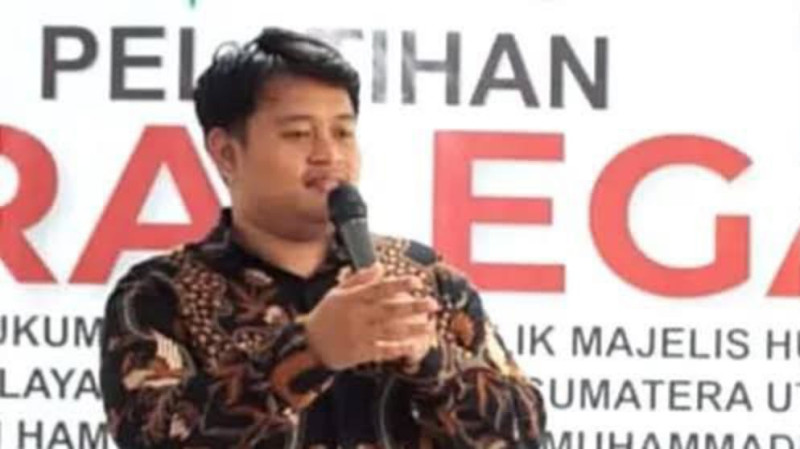
By: Muhammad Zein Azhary Wajdi Lubis, S.H., M.KnThe author is Secretary of the Lembaga Advokasi Perlindungan Konsumen (LAPK).





 /home/u7391150/public_html/indatanews.com/theme/function.php on line 28