Friday, 18 September 2026
MEDAN | INDATANEWS.COM ~ The global tourism industry is undergoing a significant transformation. Modern travelers are no longer drawn solely to scenic destinations; they increasingly seek comfort, safety, and services aligned with their lifestyles. Within this shift, halal tourism has emerged as one of the most promising segments worldwide.
Read Also:Contrary to common misconceptions, halal tourism is not about religious symbolism or restricting public spaces. Instead, it focuses on providing Muslim-friendly services, including halal-certified food, accessible prayer facilities, high sanitation standards, family privacy, and professional hospitality.
In economic terms, the sector holds substantial value. Global spending by Muslim travelers reached approximately $189 billion in 2023 and continues to grow. Projections indicate that the number of Muslim यात्रas could surpass 230 million within this decade, positioning halal tourism as a mainstream force in the global travel industry rather than a niche market.
Strategic Advantage in a Competitive LandscapeRead Also:
Indonesia consistently ranks among the world's leading destinations for Muslim-friendly tourism. However, competition is intensifying at the regional level—between provinces, cities, and individual destinations—where service quality becomes the defining factor.
North Sumatra stands out with a strong strategic foundation. The province is home to Lake Toba, an internationally recognized natural landmark, and Medan, a major economic hub outside Java. It is also supported by Kualanamu International Airport and a culturally diverse landscape with a Muslim-majority population.International tourist arrivals are steadily recovering post-pandemic, particularly from neighboring markets such as Malaysia and Singapore.
Read Also:Importantly, halal tourism does not require altering local cultural identities. Lake Toba retains its authenticity, as does the rich Batak heritage. The emphasis lies instead on complementary infrastructure—accessible halal dining, clean prayer spaces, family-friendly accommodations, Qibla indicators, well-maintained sanitation facilities, and transparent digital information.
Medan Positioned as Urban Halal Tourism Hub
Read Also:Medan offers significant development potential, particularly in the culinary sector. Its diverse food scene—ranging from traditional cuisine to modern cafés—provides a solid foundation for urban halal tourism.
With well-developed infrastructure, hotels, shopping centers, and historical attractions such as the Sultanate of Deli, the city is well-positioned to offer integrated travel packages. These could include short trips combining culinary experiences, shopping, cultural exploration, and medical tourism.
Geographical proximity to key markets further strengthens Medan's appeal. Flights from Kuala Lumpur and Singapore take approximately one hour, making accessibility a critical competitive advantage in today's fast-paced travel landscape.Read Also:
Structural Challenges Remain
Despite its potential, several structural challenges persist. A key issue is the widespread misunderstanding of halal tourism, often perceived as an identity-driven concept rather than a service-oriented model. This misperception can hinder investment and slow development.Another obstacle is the slow pace of halal certification among small and medium-sized enterprises. Many businesses are either unaware of the economic benefits or face administrative hurdles in obtaining certification.
Read Also:Basic infrastructure also remains inadequate in several tourist areas, particularly in sanitation and transportation. Additionally, the region lags in digital marketing—an essential component in the modern tourism industry, where social media and online reviews significantly influence travel decisions.
Strategic Transformation as the Way Forward
Read Also:To unlock its full potential, North Sumatra requires a clear strategic shift. This includes simplifying and subsidizing halal certification processes, improving essential infrastructure, and involving universities in research and workforce development. Businesses should also be incentivized to enhance service quality and professionalism.
Equally important is the ability to craft compelling narratives. Today's travelers seek meaningful experiences, not just destinations. Integrated travel offerings that combine culinary, cultural, and natural attractions can deliver unique value.
For instance, a curated travel package might feature a culinary breakfast in Medan, visits to historical landmarks, and a seamless journey to Lake Toba with Muslim-friendly services throughout.Read Also:
Halal tourism is not a threat to North Sumatra's cultural diversity. On the contrary, it represents a significant economic opportunity grounded in service excellence and professionalism. The region already possesses the essential elements—natural beauty, cultural richness, infrastructure, and market potential. The challenge now lies in how effectively these opportunities are harnessed. (IDNC)
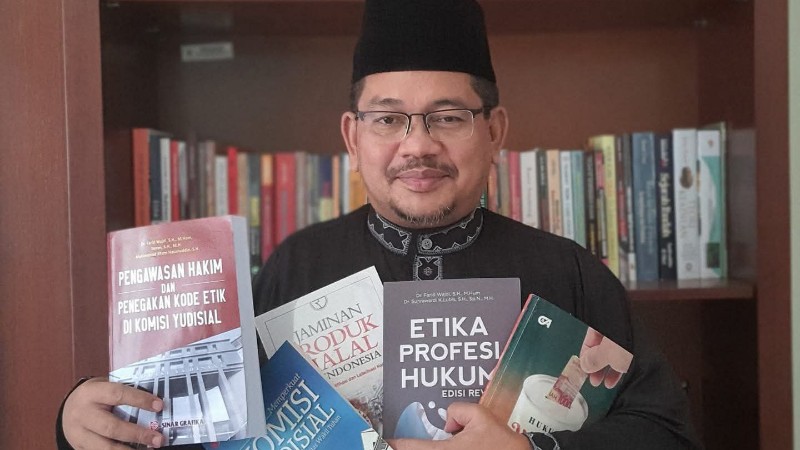
By Dr. Farid Wajdi, S.H., M.Hum
Read Also:***The author is the Founder of Ethics of Care, a Member of the Judicial Commission (2015–2020), and a Lecturer at Muhammadiyah University of North Sumatra (UMSU).
Read Also:





 /home/u7391150/public_html/indatanews.com/theme/function.php on line 28