Thursday, 17 September 2026

BANDA ACEH | INDATANEWS.COM ~ The summons of online journalist Wahyu Andika from Bithe.co by Aceh Police has sparked sharp criticism from several journalist organizations. Andika, based in Southwest Aceh, was summoned over an article published on March 15, 2026, about a still-at-large Rohingya TPPO suspect.
Police Summons Viewed as Threat to Press Freedom
The summons came from the Cyber Unit of Aceh Police's Directorate for Economic Crimes, following a complaint of alleged "false reporting." This was formally documented in a clarification letter at the end of March 2026.
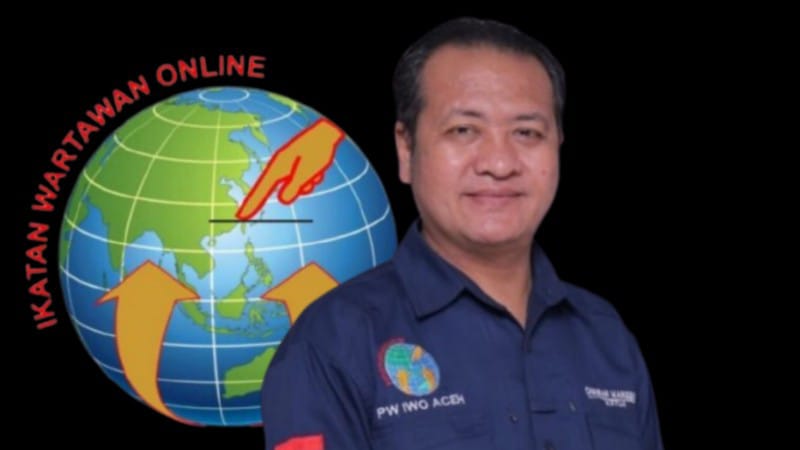
The Aceh Online Journalists Association (IWO Aceh) warned that such actions could violate press freedom, especially if law enforcement ignores the mechanisms outlined in Indonesia's Press Law No. 40 of 1999.
Journalists Urge Adherence to Legal Mechanisms
Chairan Manggeng, chairman of IWO Aceh, stressed that journalists should not be directly summoned by police over journalistic content. Conflicts regarding reporting are clearly regulated under the law.
"Investigators should follow the mechanisms provided by the Press Law. Otherwise, such summonses could create the impression that press freedom is being restricted," Chairan said.
Alongside IWO Aceh, the Committee for Journalist Safety (KKJ Aceh) and the Indonesian Journalists Association (PWI Aceh) criticized the police action as a flawed approach that ignores the Press Law.

Press Commission Should Handle Reporting Disputes
Chairan emphasized that the law assigns the resolution of journalistic disputes to the Press Commission, not law enforcement. The commission evaluates whether a journalistic work violates the professional code of ethics.
He also highlighted the constitutional rights to rebuttal and objection, noting that these legal mechanisms should be used before any legal action is taken.
"The right to rebuttal must be respected. If there are errors in reporting, the right to object can be exercised. This is a legally protected mechanism under Law No. 40 of 1999," Chairan explained.
IWO Aceh warned that summoning journalists without involving the Press Commission could set a dangerous precedent for journalism in Indonesia, particularly in Aceh. Chairan stressed the importance of recognizing journalists as the first line of information for the public.
"Respect the work of journalists. They are the frontline in delivering information. Ignoring this mechanism could threaten press freedom in the future," Chairan concluded. (INDC)
REPORTER: Adli Safwan | EDITOR: Fik Sagala





 /home/u7391150/public_html/indatanews.com/theme/function.php on line 28