Thursday, 17 September 2026
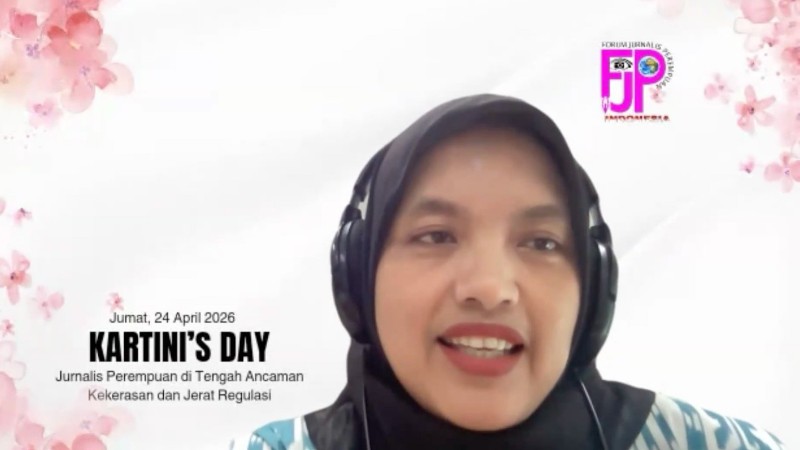
MEDAN | INDATANEWS.COM ~ Marking Kartini Day, the Indonesian Women Journalists Forum (FJPI) highlighted growing threats against women journalists and increasing restrictions on press freedom in the digital era during a public discussion.
Under the theme "Women Journalists Between Violence Threats and Regulatory Constraints," the forum brought together key speakers, including Magdalene founder Devi Asmarani, Press Council Legal and Law Commission member Abdul Manan, and Deputy Coordinator of the Commission for Alternative Media (KOMA), Abdul Somad.Rising Threats to Women Journalists
Read Also:FJPI Chair Khairiah Lubis opened the discussion by emphasizing that the event was prompted by the blocking of a Magdalene article covering an alleged acid attack case involving Andri Yunus, a case that had drawn public attention.
She stressed that FJPI, alongside various media organizations, continues to monitor such incidents closely and called for the restoration of access to the blocked content. According to her, such actions risk setting a dangerous precedent for press freedom.
"Many cases show that women journalists face intimidation and threats aimed at silencing their reporting," Khairiah said.She added that the forum was expected to strengthen solidarity among journalists in defending freedom of expression.
Read Also:
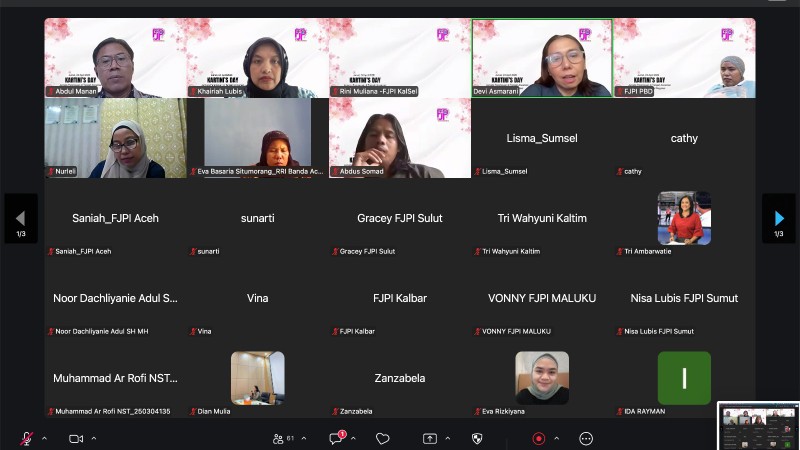
Magdalene founder Devi Asmarani expressed concern over what she described as increasingly subtle forms of censorship in the digital space.
Read Also:She warned that this "soft censorship" is harder to detect but equally harmful, noting a shift toward less transparent regulatory practices.
"There is a growing form of invisible censorship accompanied by declining accountability," Devi said, referring to regulatory frameworks such as SK Komdigi No. 127/2006, which she argued could reinforce restrictive tendencies.
She also questioned why the blocked article remained accessible outside Indonesia but restricted domestically, despite being based on balanced journalistic reporting.Following discussions with civil society groups, including press law assistance organizations, it was reiterated that journalistic work is protected under Press Council mechanisms, and disputes should be resolved through established procedures.
Devi also rejected claims that Magdalene was not recognized as a media outlet due to its lack of Press Council verification, stating that such registration is not a legal requirement for defining a media organization.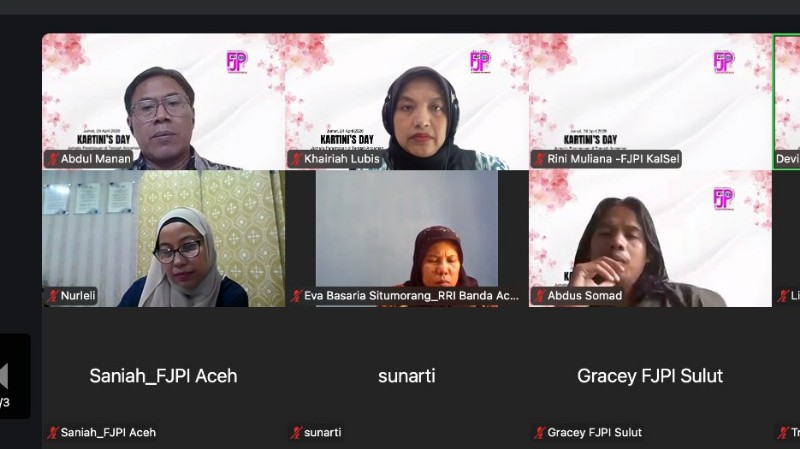
New Forms of Censorship and Press Freedom Challenges
Press Council Legal Commission member Abdul Manan clarified that only legally registered media companies in Indonesia fall under the full protection of press laws, while Press Council verification serves as a professional standard rather than a legal prerequisite.He warned of emerging indirect forms of restriction that differ from past state interventions but may produce similar effects on press freedom.
Meanwhile, KOMA Deputy Coordinator Abdul Somad noted that censorship today occurs on two levels: government intervention and internal self-censorship within media organizations."Many stories are not published from the start because editorial teams avoid sensitive topics," he explained.
He urged stronger collaboration among media organizations such as FJPI and the Alliance of Independent Journalists (AJI) to collectively resist growing pressures."The trend over recent years shows increasing limitations on press freedom. Media institutions must respond with greater transparency and courage," Somad concluded. (IDNC)
REPORTER: Sri Endang Lasmiaty | EDITOR: Fik Sagala




 /home/u7391150/public_html/indatanews.com/theme/function.php on line 28