Monday, 26 October 2026
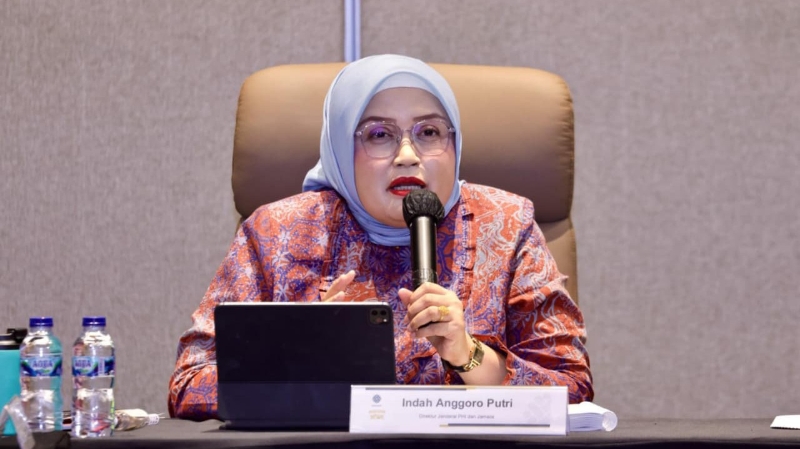
JAKARTA | INDATANEWS.COM - Indonesia's Ministry of Manpower has warned workers against falling victim to fake links and chain messages claiming to provide information about the 2026 Wage Subsidy Assistance (Bantuan Subsidi Upah, BSU) programme. Workers are urged to verify the authenticity of information before clicking on links or sharing personal details, including their National Identification Number (Nomor Induk Kependudukan, NIK), with unverified parties.
The warning is important because scammers may exploit workers' hopes of receiving government assistance by circulating false information through messaging services and social media. Such schemes put recipients at risk of disclosing personal data that could subsequently be misused for various forms of cybercrime.Indah Anggoro Putri, Director General of Industrial Relations and Workers' Social Security at the Ministry of Manpower, urged workers not to believe information circulated in the ministry's name without checking its authenticity. This applies particularly to messages from unclear or untraceable sources.
"Do not easily believe information outside the Ministry of Manpower's official channels, and never provide personal data to unclear parties," Indah said, according to a press release issued by the ministry's Public Relations Bureau on Saturday, 24 October 2026.Workers should be especially cautious when messages promise BSU payments through unclear procedures. Requests to enter a NIK, verification codes or other confidential information through unverified links should raise suspicion.
Scammers may also use the Ministry of Manpower's logo to make messages or websites appear credible. However, the presence of a logo or other official-looking symbols does not automatically prove that the information originates from the government.Workers should therefore avoid trusting messages simply because they resemble official announcements. They should carefully check web addresses, trace the origin of the information and ensure that the relevant notice has actually been published through the ministry's official communication channels.
This vigilance is an important part of protecting personal data amid the growing number of digital scams. Anyone who follows instructions in fraudulent messages without checking them first risks disclosing sensitive information to unauthorised individuals.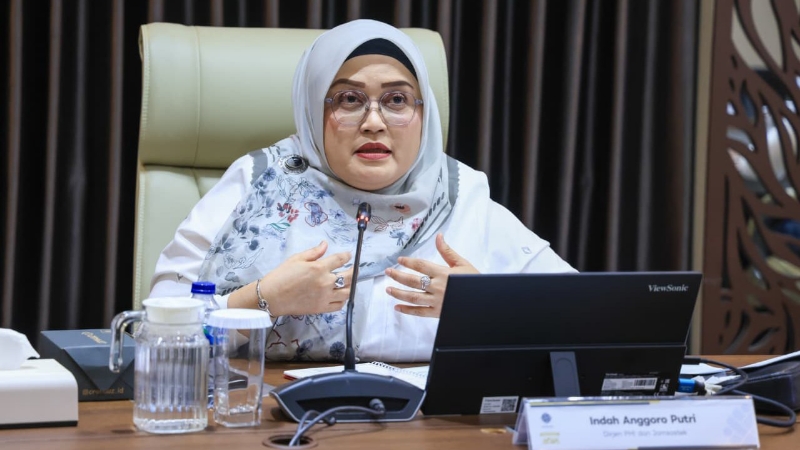
To check the accuracy of information about BSU, workers can follow the Ministry of Manpower's official communication channels and visit bsu.kemnaker.go.id. Both are reference points for information about the wage subsidy programme.
If the website is temporarily inaccessible, workers should wait for an official announcement. They should not attempt to obtain information through alternative links that have not been verified, particularly if those links request personal data or promise payments through unclear procedures.Workers should also understand that information about government assistance programmes must be checked against reliable and traceable sources. Messages in WhatsApp groups, social media posts and private communications are not automatically accurate, even when they use the names of public officials or government institutions.
In addition to checking the source of information, workers should protect their digital accounts and devices. They must not share one-time passwords (OTPs), personal identification numbers (PINs) or passwords with people claiming to be government officials or intermediaries handling subsidy payments.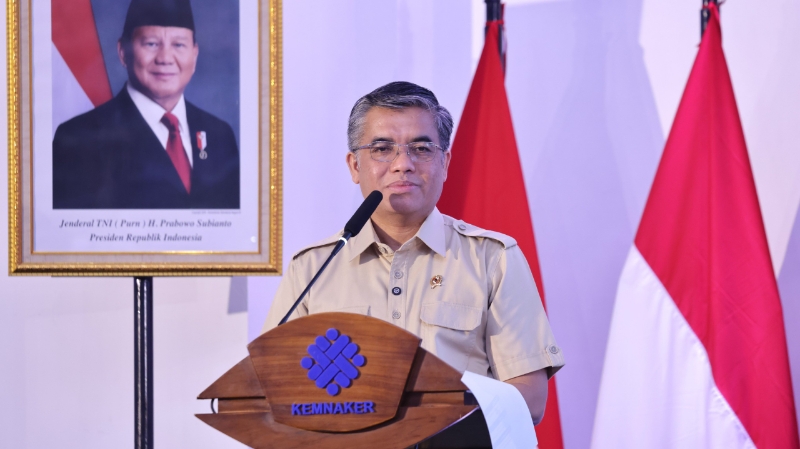
The Ministry of Manpower has reminded workers to take several simple precautions to avoid scams. First, they should carefully check web addresses before clicking on links or entering personal information. Even minor differences in a domain name may indicate that a website does not belong to an official service.
Second, OTP codes, PINs and passwords must never be shared with other people. These details are confidential. If criminals obtain them, they may be able to access accounts or digital services.Third, workers should not pay fees in exchange for a promised BSU payment. Requests for money transfers as a condition for receiving government assistance are suspicious, particularly when the party making the demand cannot provide a verifiable official basis or a transparent procedure.
Fourth, workers should immediately close suspicious messages or links and verify the information through the Ministry of Manpower's official channels. They should not forward unverified messages, as doing so could allow misinformation to spread further.Indah stressed that workers must remain vigilant to avoid falling victim to scams involving the misuse of the BSU programme's name or that of the Ministry of Manpower. She also said that Minister of Manpower Yassierli continued to remind ministry staff to take action against various fraudulent schemes.
"Minister of Manpower Professor Yassierli always reminds us to anticipate the growing number of scams carried out in the name of BSU and the Ministry," Indah said in closing.The appeal also highlights the importance of digital literacy when accessing information about government assistance programmes. Workers should not simply recognise a programme's name or a government agency's logo; they should also verify the source of information, keep their personal data confidential and understand the risks associated with every link they open.
By checking information through official channels and refusing suspicious requests for personal data or payments, workers can reduce their risk of becoming victims of digital fraud. The public should also refrain from forwarding unverified messages to prevent misinformation from harming other workers. (IDNC)REPORTER: Ahmad Zulfikar | EDITOR: Fik Sagala