Sunday, 04 October 2026
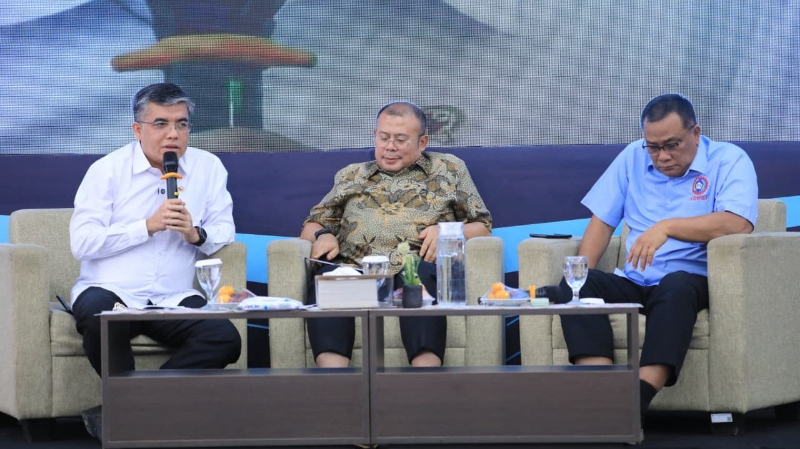
BEKASI | INDATANEWS.COM - Indonesia's House of Representatives (DPR RI) and the government are continuing to intensify discussions on the Employment Protection Bill, aiming to establish a legal framework that addresses changes in the world of work. The proposed legislation is expected to strengthen worker protection while providing businesses with legal certainty in conducting their operations.
Deputy Speaker of the Indonesian House of Representatives Cucun Ahmad Syamsurijal emphasized that the interests of all stakeholders must be taken into account during deliberations on the bill. He said the parliament would continue engaging in dialogue with various parties to ensure that the resulting legislation fairly accommodates the interests of both workers and employers.Cucun made the statement during a social dialogue in Bekasi on Thursday, October 1, 2026, under the theme "Toward a Fair Employment Protection Law for All."
"We will continue to accommodate the aspirations of all stakeholders in society. Hopefully, we can pass a law that is fair to everyone involved," Cucun said.He explained that parliament was not addressing the bill solely through the regular legislative process. Instead, it was also bringing together representatives of workers and employers to hear their respective interests and jointly discuss the concerns they had raised.
According to Cucun, drafting legislation requires open communication and constructive dialogue. This approach must provide all stakeholders with opportunities to express their views, particularly regarding the need to protect workers and ensure legal certainty for businesses in carrying out their economic activities."Looking at the title alone, it is already clear that this concerns employment protection. This law must ensure that workers receive protection and legal certainty. However, businesses must also have legal certainty. There should not be different regulations in one region compared with another," Cucun said.
He expressed hope that discussions involving all stakeholders would produce legal provisions that clearly define the rights and obligations of every party. This would help establish more structured industrial relations in the future, supported by a solid legal foundation.Cucun also highlighted the importance of gathering as many opinions and proposals as possible before the deliberations are concluded. The involvement of workers, trade unions, employers, and the government is essential to ensure that the proposed legislation reflects the actual needs of the changing world of work.
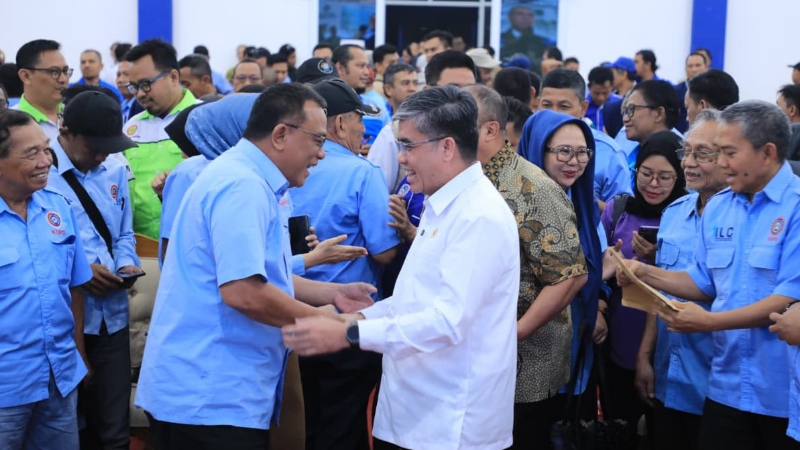
"If we look at Law No. 13 of 2003, it is now 23 years old. The world of work has changed. Therefore, we want to provide the best possible outcome for our country through legislation that responds to these changes," Yassierli said.
He explained that changes in the world of work were not limited to the structure of industrial relations. They also covered workforce preparation and training, improvements in professional competencies, recruitment procedures, worker protection, and labour inspection.All these aspects, he said, needed to be incorporated into discussions on the bill. This would provide the government with a more comprehensive legal framework for addressing future labour market challenges.
Yassierli cited the growing importance of skills development through training and vocational education programmes. The government, he said, must ensure that job seekers possess skills that match industry requirements. This would enable them to compete in the labour market and meet the qualifications demanded by employers."Under Law No. 13 of 2003, vocational training did not yet play a significant role. However, the world of work has since changed. We want our job seekers to have the necessary competencies. That is why we must also pay special attention to workforce preparation and skills development," he explained.
Furthermore, strengthening professional competencies must go hand in hand with improving recruitment procedures and worker protection. The government must also ensure effective labour inspection so that the provisions of the new legislation can be consistently enforced.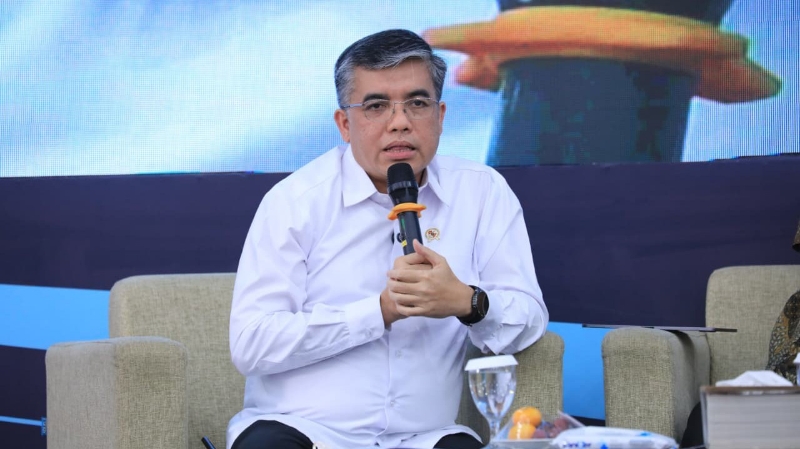
Yassierli further explained that the government and parliament were continuing to discuss various proposals and concerns raised by stakeholders. Both institutions were conducting intensive deliberations to formulate legal provisions that could accommodate the diverse needs of the labour market in a balanced manner.
"Basically, the government and parliament share the same objective. The challenge now is to translate the concerns of our colleagues into the best possible legal provisions. That is precisely our responsibility," he said.He emphasized that the concerns raised by trade unions, workers' organizations, and other stakeholders were important to the drafting of the new legislation. For this reason, the government remained open to various channels for receiving feedback and proposals. These included social dialogues that brought government representatives together with representatives of workers' organizations.
According to Yassierli, social dialogue was an important instrument for gaining a better understanding of workers' problems and challenges while identifying common ground among the various proposals submitted during deliberations on the bill.He expressed hope that all parties would continue communicating and contributing constructively. This would help ensure that the deliberations resulted in legislation that genuinely reflected the needs of Indonesia's workforce.
"Hopefully, together we can introduce a law that is not merely a manpower law, but an improved and fairer employment protection law that promotes the well-being of all workers in Indonesia," he concluded.The social dialogue, held under the theme "Toward a Fair Employment Protection Law for All," was organized by the Confederation of All Indonesian Workers' Unions (Konfederasi Serikat Pekerja Seluruh Indonesia/KSPSI). The event was also attended by Environment Minister Mohammad Jumhur Hidayat, who concurrently serves as chairman of KSPSI.
The dialogue is intended to provide various stakeholders with continued opportunities to convey their concerns and proposals, which can be taken into consideration in revising the Employment Protection Bill. These efforts form part of the legislative process, which aims not only to respond to developments in the world of work but also to ensure worker protection, legal certainty, employee welfare, and the sustainable growth of businesses. (IDNC)REPORTER: Ahmad Zulfikar | EDITOR: Fik Sagala





 /home/u7391150/public_html/indatanews.com/theme/function.php on line 28