Friday, 25 September 2026

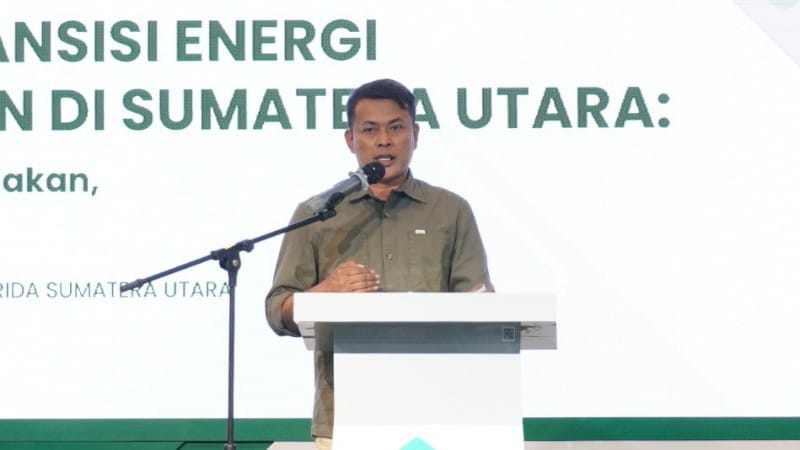
MEDAN | INDATANEWS.COM ~ Panut Hadisiswoyo, Director of Green Justice Indonesia (GJI), emphasized that the acceleration of the energy transition must be just and inclusive to effectively address the global climate crisis.
He made this statement during the workshop "Towards a Fair Energy Transition in North Sumatra: Perspectives from Fiqh, Politics, and Social Justice", held Thursday, March 12, 2026, at the Bina Graha building of the Regional Planning, Research, and Innovation Agency (Bapperida), Pangeran Diponegoro Road, 21-A, Medan.Panut highlighted that the energy sector is a major contributor to greenhouse gas emissions, making emission reduction in this sector crucial for climate protection.
Read Also:"The energy transition must be fair, leaving no workers or vulnerable communities behind," he stressed.
Read Also:Decarbonization and Social Responsibility
Panut pointed out Indonesia's significant potential for clean energy, including geothermal, hydro, and biomass. Yet, the national energy sector remains heavily dependent on fossil fuels.
To accelerate the energy transition, collaboration among government, civil society, academia, and industry is essential. The process should not be merely technocratic but must consider the suffering of those directly affected, particularly residents near the Pangkalan Susu Coal-Fired Power Plant (PLTU).He called for retraining programs for coal-dependent workers and protection of indigenous and women's rights.
Read Also:

"Black dust has become normal. It's the sacrifice of the lower classes so we can enjoy electricity," she criticized.
Read Also:Residents like Nur Hayati reported severe health impacts from coal pollution: "We are the survivors of Pangkalan Susu. Our families died from cancer and black lung disease. We are dying slowly," she said, trembling.
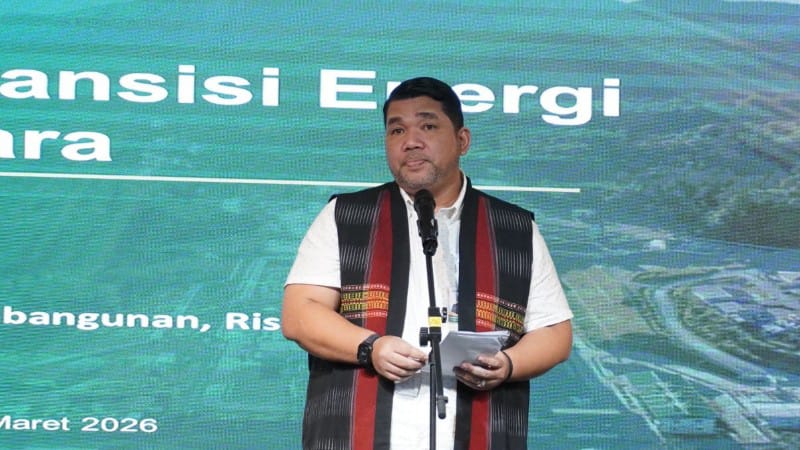
Responding to Nur Hayati, Head of Bapperida North Sumatra, Dikky Anugerah Panjaitan delivered sharp criticism of global trends. He highlighted how developed nations, which once harmed the environment through the Industrial Revolution, are now dictating developing countries on "clean energy" issues while marketing their own technologies.
Read Also:"Back then, they devastated forests for factories. Now, when we want to advance, the narrative shifts. We're told to install solar panels—but made in Japan. In the end, we remain the object, not the subject," Dikky asserted.
He urged major organizations, such as Al Washliyah, to conduct independent research so that North Sumatra can develop its own energy technologies. In support, the North Sumatra provincial government is drafting extreme incentives, including 0% interest rates for companies partnering in the implementation of the SDGs and green economy initiatives.

Read Also:
Fiqh and Sustainability: Environmental Protection as a Religious Duty
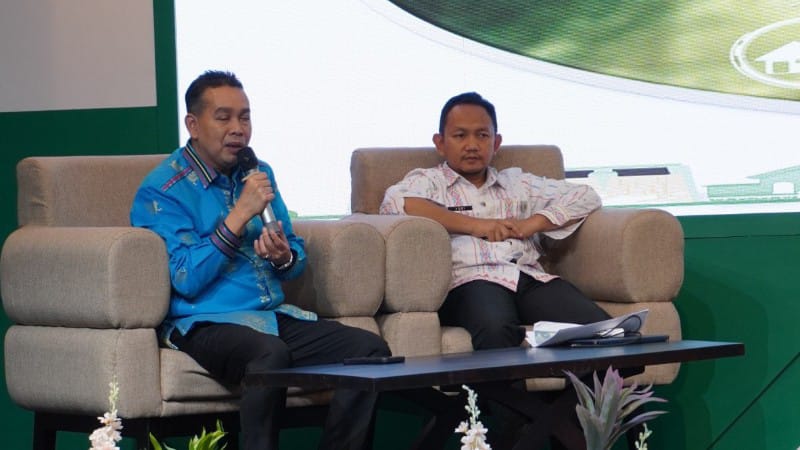
Academics such as Prof. Onrizal and Dr. Azizul Kholis presented approaches from Maqasid Syariah (objectives of Islamic law) for the energy transition. Onrizal emphasized that North Sumatra must uphold principles protecting religion, life, intellect, progeny, and property.He proposed concrete measures, including promoting solar panels on schools, government buildings, and homes, supported by social financing mechanisms like zakat, donations, and productive waqf.
Read Also:

Read Also:
Potential and Policy: North Sumatra as a Pioneer
Yosy Sukmono, Secretary of the North Sumatra Industry and Trade Agency, noted that the energy transition is not only a technological challenge but also closely linked to community welfare.North Sumatra holds high potential for renewable energy, especially in Tapanuli (Sarulla, Sibayak). The current energy mix comprises roughly 46% renewable energy, 27% oil, 9% gas, and 17% coal.
Read Also:"We hope that the share of renewable energy continues to increase through collaboration among all stakeholders," Yosy said. (IDNC)
REPORTER: Darmailawati





 /home/u7391150/public_html/indatanews.com/theme/function.php on line 28