Saturday, 03 October 2026
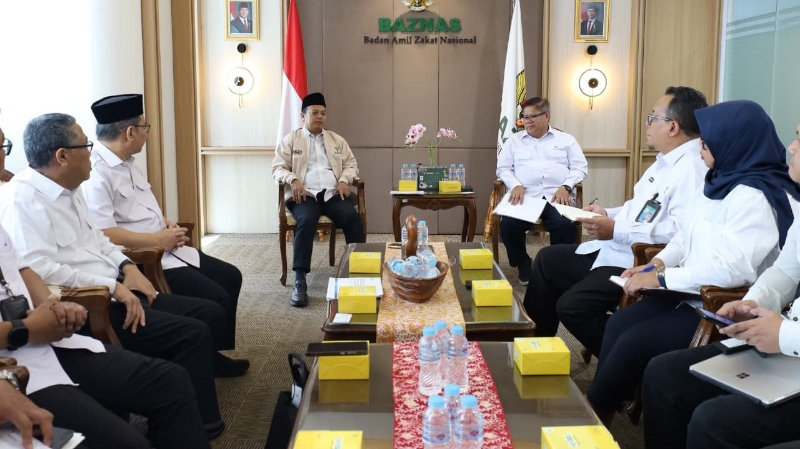
JAKARTA | INDATANEWS.COM- Indonesia's Ministry of Manpower (Kementerian Ketenagakerjaan/Kemnaker) and the National Zakat Agency (Badan Amil Zakat Nasional/BAZNAS) are strengthening their cooperation to expand access to employment while promoting the economic independence of zakat recipients, known as mustahik, as well as people with disabilities. The cooperation covers vocational training, job placement, optimization of zakat collection units, and preparations for participants in an internship program in Japan.
BAZNAS commissioners and the Ministry of Manpower's technical team discussed plans to deepen the cooperation during a hearing at the BAZNAS building in Jakarta on Monday, September 14, 2026.
The meeting focused on efforts to connect economic empowerment programs based on religious social funds with employment policy programs. Through this synergy, support for the public is expected to be better targeted according to specific needs and available programs.
Special Adviser to the Minister of Manpower Sukro Muhab said the cooperation is part of the government's commitment to creating an inclusive labor market while strengthening the economic independence of the community.
"This cooperation is part of the Ministry of Manpower's commitment to creating an inclusive labor market while promoting the economic independence of the community through the utilization of religious social funds," Sukro said.
Sukro explained that the cooperation with BAZNAS is not limited to distributing assistance to the public. Instead, the assistance will be linked to programs designed to improve skills and facilitate access to employment.
In his view, this approach makes it possible to connect economic empowerment programs with employment policies. As a result, mustahik beneficiaries can receive support based on their respective needs and individual abilities.
"We will focus this joint synergy on expanding employment access for our fellow citizens with disabilities, preparing potential participants for internships in Japan, and at the same time optimizing the role of Zakat Collection Units (Unit Pengumpul Zakat/UPZ) within the Ministry of Manpower," Sukro said.
Expanding employment access for zakat recipients is one of the central issues discussed during the meeting. Kemnaker and BAZNAS view economic empowerment as an approach that can be implemented more effectively when people have both opportunities to improve their skills and access to the world of work.
Vocational qualification programs are among the instruments that can support this objective. Through training, participants can acquire skills aligned with actual labor market needs. This provides them with a stronger foundation for entering the workforce.
In addition to mustahik, people with disabilities are also among the groups receiving particular attention through the cooperation. Kemnaker is working to broaden access to employment opportunities so that people with disabilities can further develop their skills and participate in the workforce.
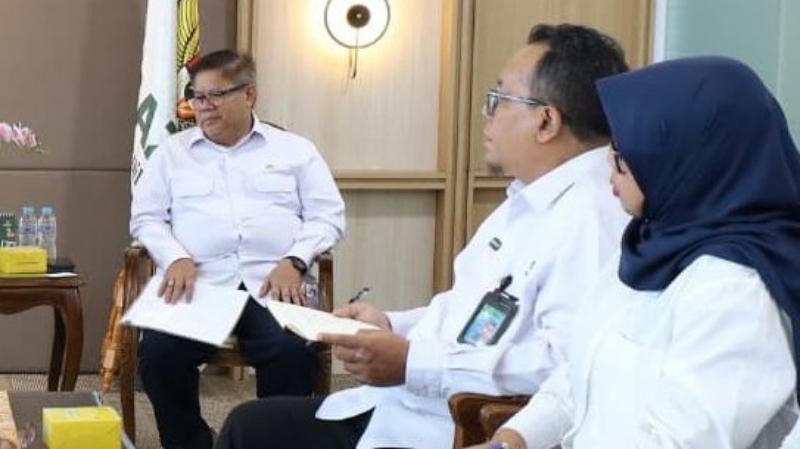
Kemnaker and BAZNAS also discussed preparations for potential participants in the internship program in Japan. Preparing participants requires improvements in their skills, making vocational training an important part of the process.
Sukro said BAZNAS's involvement also includes supporting vocational training activities and providing access to job placement for population groups requiring special assistance. These measures are intended to help people build their skills while opening pathways to employment opportunities.
"We are directing our cooperation with BAZNAS so that the distribution of zakat funds can generate greater and sustainable benefits," Sukro said.
Strengthening people through qualifications is important because social assistance can have a greater impact when communities are simultaneously given opportunities to develop their economic capabilities. In this context, zakat programs can work together with employment policy programs to provide sustainable support to beneficiaries.
Kemnaker can connect training and job placement programs with community needs, while BAZNAS plays a role in managing and utilizing zakat funds for eligible recipients.
The cooperation also creates opportunities to develop more integrated programs. Vocational training, economic empowerment, job placement, and internship preparation can be implemented as coordinated measures.
Through this approach, beneficiaries receive not only short-term assistance but also opportunities to develop their skills and gain access to productive economic activities.
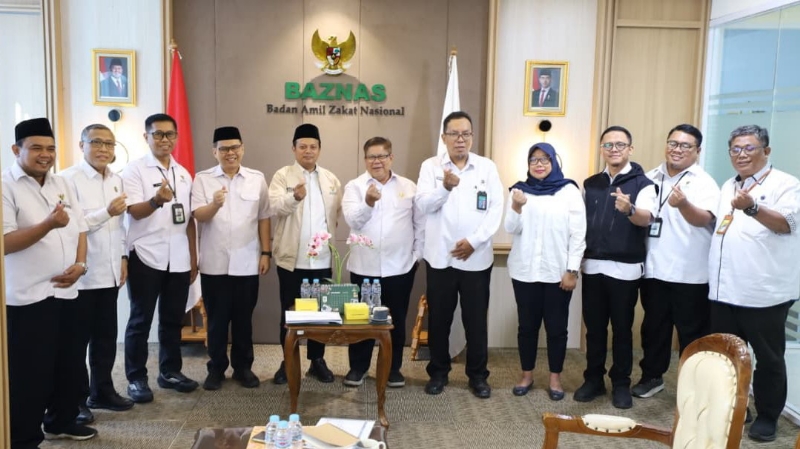
In addition to expanding employment access, Kemnaker and BAZNAS discussed strengthening the role of Zakat Collection Units within the Ministry of Manpower. Optimizing UPZ is a step toward expanding the reach of zakat distribution to communities in need.
Sukro added that strengthening UPZ is an important component of the cooperation between the two institutions. Optimization can enable the collection and utilization of zakat funds within the ministry to contribute to community empowerment programs.
"Through this partnership, Kemnaker remains committed to developing inclusive and balanced employment policies that reach all groups in society without exception," Sukro said.
Meanwhile, Idy Muzayyad, a member of the BAZNAS leadership responsible for zakat distribution, utilization, and empowerment, said BAZNAS is ready to support various programs developed by the Ministry of Manpower.
According to Idy, optimizing UPZ within the ministry can expand the reach of zakat distribution to mustahik. Strengthening these units can also support the implementation of economic empowerment programs for beneficiary groups.
BAZNAS's willingness to support Kemnaker's programs is part of efforts to expand cooperation in economic empowerment and employment. The two institutions can develop programs according to community needs and existing potential.
The cooperation also places access to employment as an important component of mustahik empowerment. Through skills development and access to employment opportunities, people are expected to gradually strengthen their economic capabilities.
For people with disabilities, expanding employment access is part of efforts to create a more inclusive labor market. Kemnaker and BAZNAS are discussing potential forms of support so that this group can develop their skills and enter the workforce.
Meanwhile, preparing potential participants for internships in Japan represents another component of the joint agenda. The program requires adequate skills and targeted support so that participants can complete each stage of preparation effectively.
By strengthening vocational training, job placement, mustahik empowerment, employment access for people with disabilities, preparation for internships in Japan, and UPZ optimization, Indonesia's Ministry of Manpower and BAZNAS are establishing a cooperation framework that connects social programs with employment policies.
The cooperation is aimed at expanding the benefits of these programs for the public while promoting broader access to employment opportunities for groups requiring support. (IDNC)
REPORTER: Ahmad Zulfikar | EDITOR: Fik Sagala





 /home/u7391150/public_html/indatanews.com/theme/function.php on line 28