Saturday, 03 October 2026
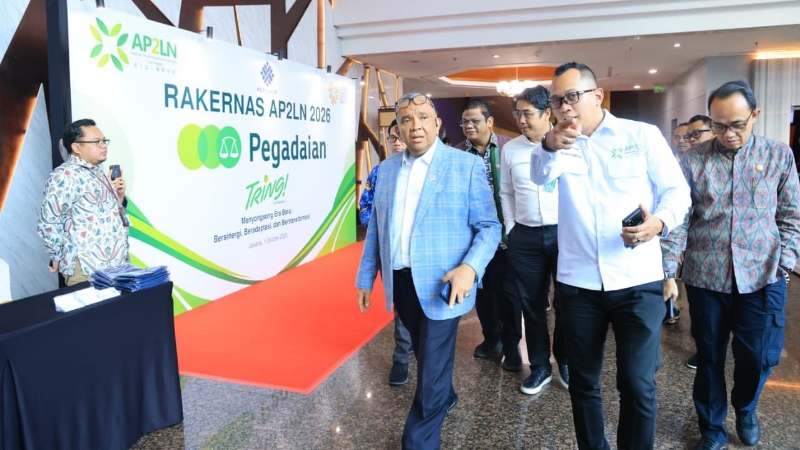
JAKARTA | INDATANEWS.COM - Indonesia's Deputy Minister of Manpower, Afriansyah Noor, has urged all overseas internship program providers to make participant protection their top priority at every stage of the program. This includes the entire process, from selection, training and departure to ongoing assistance during employment in the destination country and participants' eventual return to Indonesia.
Afriansyah emphasized that the success of overseas internship programs should not be measured solely by the number of participants successfully sent abroad. Instead, program providers must ensure high-quality implementation, participant safety, the acquisition of professional skills, and the long-term benefits of international work experience for young people after completing their internships.In his view, overseas internship programs play a strategically important role in preparing Indonesian workers to meet the demands of the global labor market. Through these programs, participants have the opportunity to gain firsthand experience at international industrial companies, become familiar with new technologies, and further develop their personal character and work discipline.
"Overseas internships provide young Indonesians with opportunities to gain international work experience, master new technologies, and develop strong character and work discipline," Afriansyah said on Thursday, October 1, 2026, while attending the National Work Meeting (Rakernas) of the Association of Overseas Internship Program Providers (AP2LN) in Jakarta.He specifically called on providers to pay close attention to the quality of their selection processes. This is essential to ensure that applicants genuinely meet all the required qualifications and are adequately prepared for overseas internships.
In addition to the selection process, providers must also ensure that training and preparatory activities equip participants with sufficient knowledge and skills before their departure to the destination country. These preparations should include strengthening professional capabilities, understanding the respective working environment, and becoming familiar with the culture and social customs of the host country.Afriansyah also stressed the importance of providing continuous assistance throughout the internship period. Program providers must ensure that participants receive the necessary support whenever they encounter difficulties, whether in the workplace, their living environment, or other personal matters.
Equally important is proper preparation for participants' return to Indonesia. This will help ensure that the experience and competencies gained during their time abroad continue to provide lasting benefits after they return home.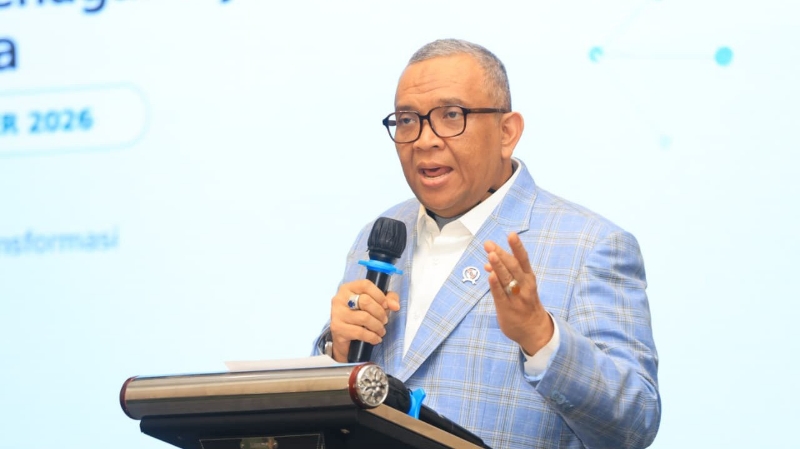
Afriansyah described participant protection as a fundamental requirement that no program provider should overlook. Therefore, all parties involved must take concrete measures to prevent practices that could harm participants throughout their participation in the programs.
He called on providers to maintain transparency regarding all information and costs associated with the implementation of overseas internship programs. Prospective applicants must receive comprehensive and clear information before making their decisions, including eligibility requirements, their rights and obligations, applicable fees, and the procedures involved in the programs.Furthermore, providers should establish effective and easily accessible complaint mechanisms. This would allow participants to raise concerns or report harmful practices without facing obstacles when seeking assistance.
According to Afriansyah, the responsibility to protect participants must not end once preparations for departure have been completed. Program providers must maintain their support and supervision throughout the entire program until participants have completed all internship stages and returned to Indonesia.He also reminded providers that internship programs must deliver tangible improvements in skills and competencies that meet actual industry requirements. Therefore, training materials and internship placements should be adapted to technological developments and the latest needs of the labor market.
"Internship programs must equip participants with competencies that are genuinely needed by industry," Afriansyah said.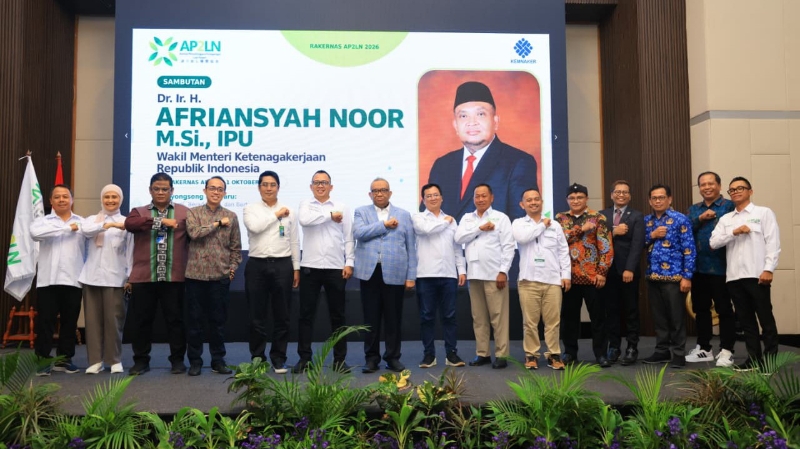
In addition to program quality and participant protection, Afriansyah highlighted the importance of establishing a well-prepared overall system for overseas internships. This is particularly necessary in light of changes to Japan's internship system.
One of the developments requiring particular attention is the transition from the Technical Intern Training Program to the Employment for Skill Development program, also known as Ikusei Shuro.He explained that this transition requires comprehensive preparation from all stakeholders, including the government and internship program providers. They must understand the latest policy and regulatory developments and adjust their program management accordingly to ensure continued compliance with applicable regulations and reliable protection for participants.
In this regard, Afriansyah emphasized the important role of the Association of Overseas Internship Program Providers (Asosiasi Penyelenggara Pemagangan Luar Negeri/AP2LN) as a government partner. The organization can help improve coordination, strengthen program quality standards, and promote more transparent and higher-quality management of overseas internship programs.He expressed hope that AP2LN would further intensify its communication and cooperation with the government and other relevant stakeholders to ensure that overseas internship programs achieve their intended objectives.
In closing, Afriansyah stressed that the success of these programs requires a shared commitment from all parties involved. The government, program providers, and all other stakeholders must share the understanding that improving participants' competencies must go hand in hand with safeguarding their rights and ensuring their protection."I am confident that through close cooperation between the government and all relevant stakeholders, we can establish an overseas internship system that is increasingly high-quality, safe, transparent, and sustainable," Afriansyah said. (IDNC)
REPORTER: Ahmad Zulfikar | EDITOR: Fik Sagala




 /home/u7391150/public_html/indatanews.com/theme/function.php on line 28