Friday, 02 October 2026
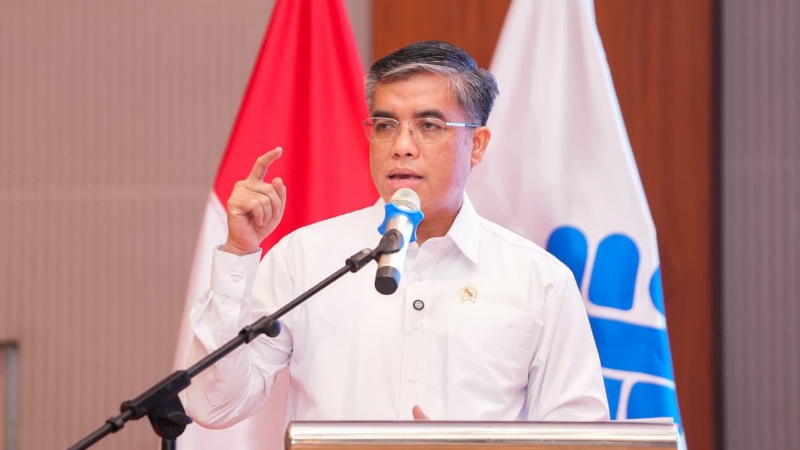
JAKARTA | INDATANEWS.COM - Indonesia's Labor Minister Yassierli has called on companies across the country to expand employment opportunities for people with disabilities, particularly those who have completed free vocational training programs organized by the Ministry of Manpower. Through close cooperation between the government and the business sector, people with disabilities are expected to gain better access to the labor market and develop career opportunities that match their respective qualifications.
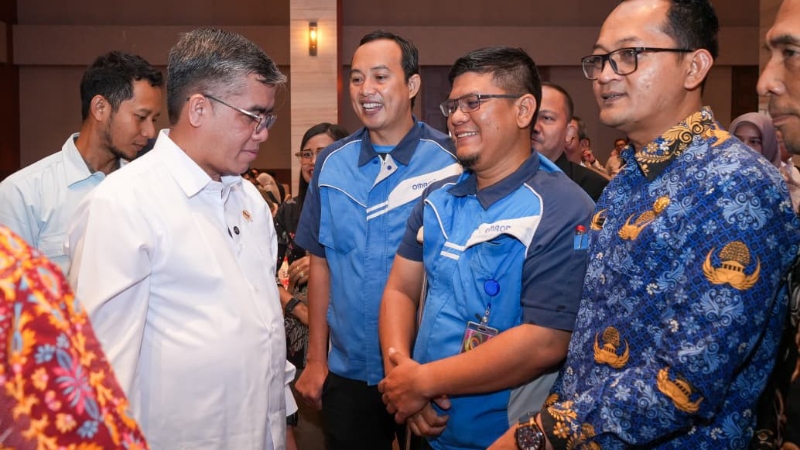
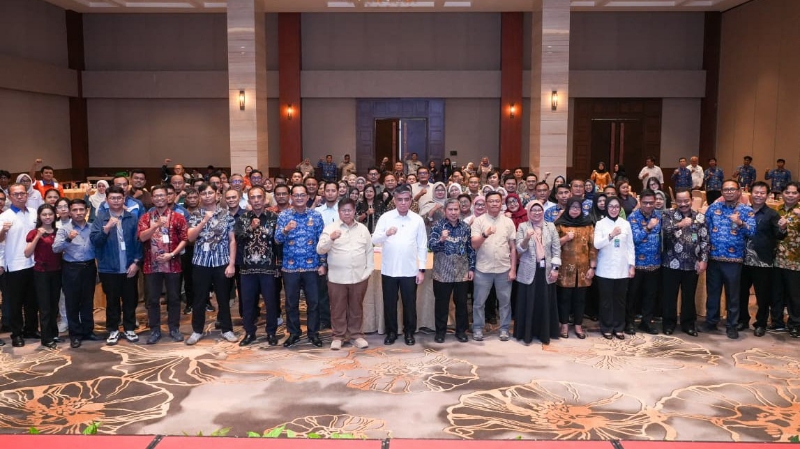
Yassierli made the appeal while opening an employer meeting themed "Building an Inclusive Labor Market: Promoting Employment for People with Disabilities" on Thursday, October 1, 2026, in Bekasi, West Java.During the event, the Labor Minister emphasized the importance of direct business sector involvement in creating an inclusive labor market. The Ministry of Manpower is ready to play an active role in preparing prospective workers with disabilities by providing various training programs tailored to the needs of industries and specific business sectors.
Yassierli also urged business associations to strengthen communication and coordination with the Ministry of Manpower and provide information about their respective workforce requirements. This would enable the government to prepare targeted training programs while giving companies access to prospective employees whose skills meet their operational needs."We will take responsibility for the training and preparation. The entire training cost will be covered by the Ministry of Manpower. We only ask that you hire these individuals in your companies after they have completed their training," Yassierli said.
The Labor Minister explained that cooperation between the government and businesses was an important step in ensuring that training programs went beyond simply equipping participants with new skills. After completing their training, people with disabilities must be given concrete opportunities to enter the workforce through recruitment processes and targeted job placement initiatives.
He therefore expressed hope that companies would not only participate in training activities but also actively contribute to providing employment for graduates. If businesses communicated their workforce requirements in advance, the Ministry of Manpower could tailor training materials and programs to the specific competencies needed in the workplace.According to Yassierli, people with disabilities possess skills and potential that can make a positive contribution to company productivity. Access to open employment opportunities would also enable them to further develop their professional competencies and achieve better career prospects.
"I am confident that they will bring added value to your companies. We even hope that they will be able to deliver new achievements and gain greater opportunities for professional development," he said.He stressed that companies should regard people with disabilities as qualified workers rather than merely as a group in need of assistance. Given appropriate opportunities and a supportive working environment, they are capable of carrying out their professional responsibilities and contributing additional value to their organizations.
The planned talent development center is expected to strengthen the preparation of people with disabilities for entering the workforce. By providing facilities specifically designed to address individual needs, the Ministry of Manpower aims to ensure that training processes take into account each participant's circumstances, capabilities, and potential.
The center will also give companies an opportunity to become familiar with the workplace adjustments required to accommodate employees with disabilities. This will help businesses better understand the facilities, work equipment, and support services needed to enable employees to perform their duties comfortably and productively.Yassierli reminded businesses that their responsibilities did not end once people with disabilities had been hired. Companies must also ensure that their working environments provide employees with the opportunity to adapt, perform their duties, and continuously develop their abilities.
"After hiring them, we ask you to make the necessary adjustments. For example, you can show us your workplace. After that, you simply need to ensure that your employees are working in a supportive environment," he added.In his view, creating an inclusive workplace requires companies to demonstrate a commitment to adjusting working conditions to meet the needs of their employees. This includes providing supportive facilities and designing workplaces that enable people with disabilities to perform their responsibilities to the best of their abilities.
The regulation stipulates that the central government, regional governments, state-owned enterprises (BUMN), and regionally owned enterprises (BUMD) must ensure that at least two percent of their total workforce consists of people with disabilities. Meanwhile, private companies are required to allocate at least one percent of their total workforce to employees with disabilities.
Yassierli urged the business representatives attending the meeting to communicate these legal provisions to their respective company management teams and boards of directors. He emphasized that fulfilling the employment quota for people with disabilities was a legal obligation that all business entities must take seriously."Please inform your companies and boards of directors that this is a shared responsibility. Coordinate with the Disability Service Units (Unit Layanan Disabilitas/ULD)," Yassierli appealed to the business representatives.
In addition to encouraging greater business sector involvement, the Labor Minister also called on regional manpower offices (Disnaker) and Disability Service Units (ULD) across the country to strengthen their cooperation. Both institutions must work together to identify people with disabilities who already possess the necessary qualifications to enter the labor market.This assessment is an important part of developing training programs that correspond to participants' skills and potential. At the same time, regional governments can identify companies' workforce requirements, allowing training programs to become more closely aligned with economic developments and industry demands.
Through stronger coordination, the Ministry of Manpower hopes that the training and job placement of people with disabilities can become more targeted and effective. The government and businesses are expected to establish long-term partnerships to expand employment access, fulfill statutory requirements, and create inclusive working environments.These efforts also form part of the government's commitment to ensuring equal opportunities for everyone to contribute to economic development through decent employment that matches their respective skills and competencies. (IDNC)
REPORTER: Ahmad Zulfikar | EDITOR: Fik Sagala




 /home/u7391150/public_html/indatanews.com/theme/function.php on line 28