Saturday, 24 October 2026
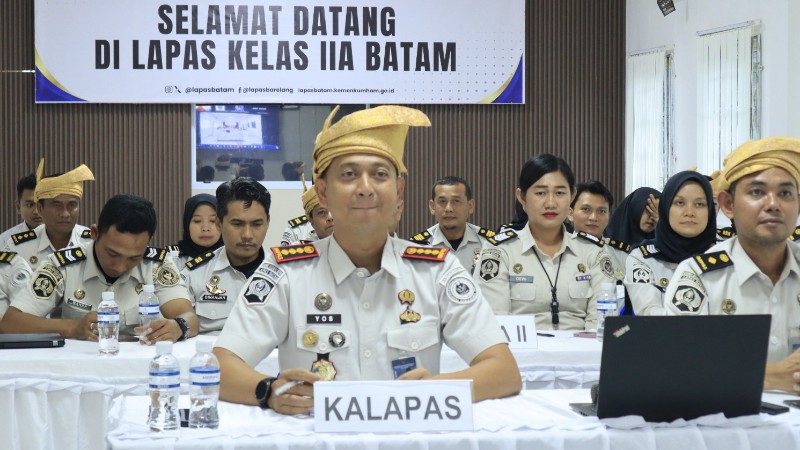
BATAM | INDATANEWS.COM – The Class IIA Correctional Facility of Batam (Lapas Kelas IIA Batam) participated in the Integrity Zone Development evaluation under the "Clean and Service-Oriented Bureaucracy" (Wilayah Birokrasi Bersih dan Melayani / WBBM) program on Tuesday, May 12, 2026. The assessment was conducted by the Internal Audit Team of the Inspectorate General of Indonesia's Ministry of Immigration and Corrections.
The activity forms part of Indonesia's ongoing bureaucratic reform agenda aimed at improving public service quality, accountability, and organizational culture within Lapas Kelas IIA Batam.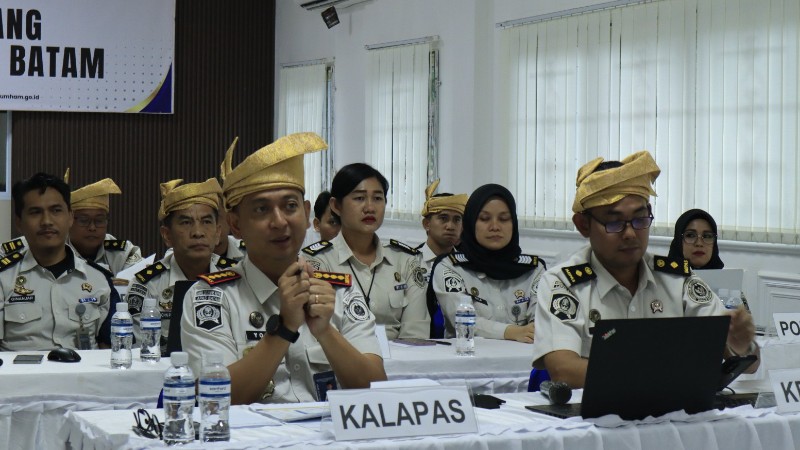
Read Also:
Commitment to Integrity-Based Service Culture
During the presentation, Head of Lapas Kelas IIA Batam, Yosafat Rizanto, emphasized the strong commitment of all personnel to delivering optimal services for both the public and inmates. This commitment is a key pillar in achieving WBBM 2026 targets.He stressed that the development of the Integrity Zone is not merely an administrative requirement, but a sustainable work culture that must be consistently implemented in daily operations.
Read Also:"The entire workforce of Lapas Batam continuously strives to deliver transparent, fast, and humane services. This assessment serves as motivation for further improvements, particularly through seven service innovations," he said.
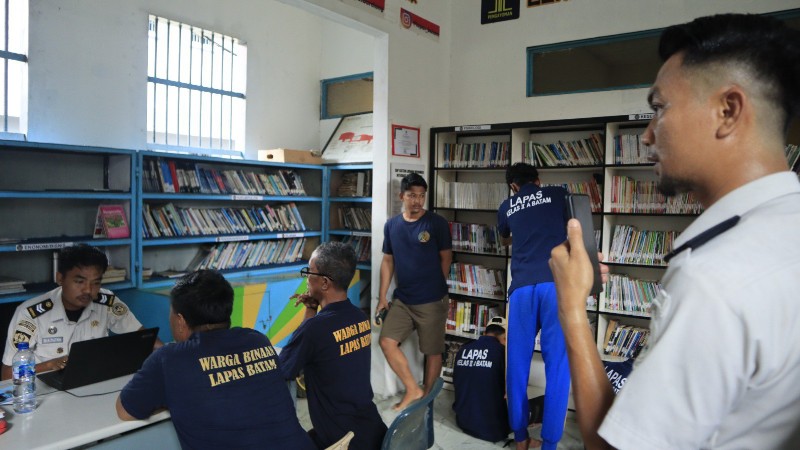
Following the presentation, the audit team conducted a virtual inspection, reviewing all service areas within the facility to evaluate the implementation of public services and bureaucratic reform initiatives on site.
Read Also:Seven Innovations Strengthen Service Delivery
In the in-depth evaluation, the audit team reviewed six key transformation areas in the Integrity Zone development, including change management, operational efficiency, human resource management, accountability strengthening, internal supervision, and public service enhancement.
Lapas Kelas IIA Batam also introduced seven flagship innovation programs designed to improve service quality for both citizens and inmates. These innovations include SLIR, digital information systems, Si-Mael, WhatsApp-based complaint services, biogas development, Si Omega, and E-Trolling.These initiatives reflect the institution's strategy to build an efficient, transparent, and technology-driven public service system.
Read Also:Toward WBBM Status in 2026
The evaluation process ran smoothly and demonstrated strong collaboration between Lapas Kelas IIA Batam and the Internal Audit Team of the Inspectorate General. Through this assessment, the institution aims to further strengthen its commitment to becoming a professional, accountable, and integrity-based organization.
The ultimate goal of Lapas Kelas IIA Batam is to achieve WBBM status in 2026, thereby enhancing public administration reform and service quality on a sustainable basis. (IDNC)REPORTER: Dalil Harahap | EDITOR: Fik Sagala