Tuesday, 29 September 2026
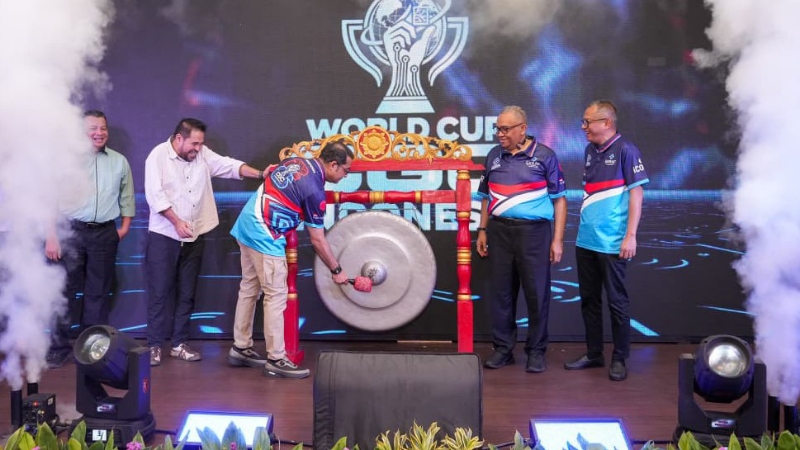
JAKARTA | INDATANEWS.COM - Technological advances in mobile phones are changing the qualification requirements for mobile phone technicians. Tasks that once focused mainly on basic repairs now require more specialized, precise, and measurable technical skills.
Deputy Minister of Manpower (Wamenaker) Afriansyah Noor said continuous skills development is essential to ensure mobile phone technicians can keep pace with technological advances while meeting the demands of the labor market. In his view, it is no longer enough for technicians to possess basic repair skills. They also need problem-solving abilities, precision, technical dexterity, and discipline in carrying out their work.According to Afriansyah, the changing nature of the mobile phone technician profession has also altered the qualifications required. The labor market now needs technicians who can perform tasks with a higher degree of precision and increasingly use specialized repair techniques.
"The competency standards for mobile phone technicians must continue to evolve. This change can be seen in the shift in qualification requirements. While basic repairs and general knowledge were previously the main focus, today more specific, precise, and measurable technical skills are required," Afriansyah said.He explained that micro-soldering, in particular, is increasingly becoming one of the essential skills for mobile phone technicians. The task requires a high degree of precision and technical dexterity because technicians have to work with very small components that demand meticulous handling.
In addition to technical abilities, technicians must also strengthen their problem-solving skills. These skills help them analyze damage, identify the causes of problems, and determine appropriate repair methods. By combining technical and analytical abilities, technicians can provide services that are better aligned with customer needs and developments in the industry.CGC Indonesia 2026 also brought together industry representatives, technicians, communities, and various stakeholders involved in the development of the mobile phone technician profession. The event was also attended by Minister of Creative Economy Teuku Riefky Harsya, Head of the National Professional Certification Agency (BNSP) Syamsi Hari, Chairman of the Supervisory Board of TESPOIN Indonesia Didi Rosadi, and Chairman of TESPOIN Indonesia Doli Halomoan Harahap.
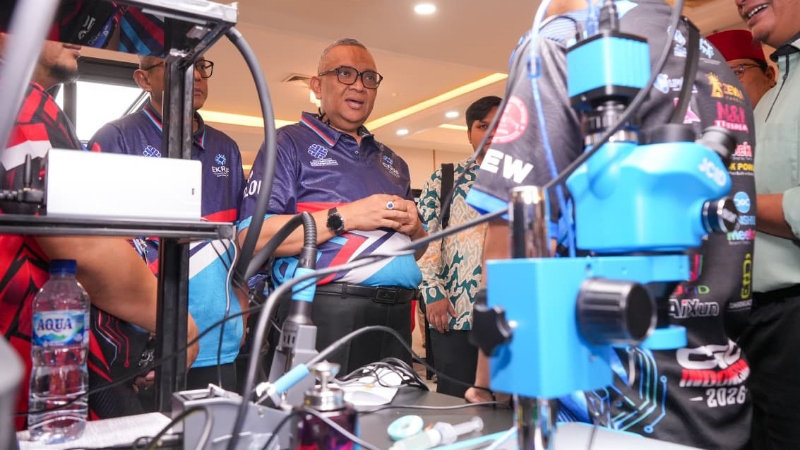
In his view, competency standards and certification can also strengthen public confidence in the mobile phone technician profession. Consumers need technicians with demonstrable and standardized skills when entrusting their devices for repair.
"To make this happen, the government has a role through policies and training programs, while the industry acts as an employer and as a stakeholder that understands the workforce requirements," Afriansyah said.The government, Afriansyah added, has opportunities to support competency development through policies and training programs. At the same time, the industry plays an important role because it understands workforce requirements and the practical standards applied in the workplace.
Collaboration among the government, industry, certification bodies, communities, and professional associations is an important component in building an ecosystem for mobile phone technicians. Through such synergy, labor market requirements can be aligned with the competencies technicians need to possess.Measurable competencies can also provide technicians with additional opportunities for career development. In addition to working for companies or service centers, technicians with adequate skills can establish their own repair services.
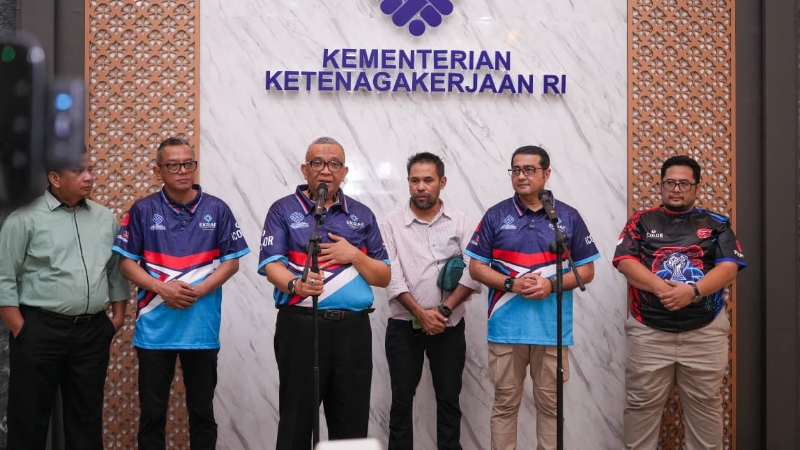
In his view, competency development can be structured as an ongoing process. Competitions can serve as a tool for measuring technicians' abilities while identifying areas where further improvement is needed.
"This cycle can begin with a competition to determine one's level of performance and evaluate deficiencies. Competency development can then continue to achieve more precise and certified skills," Afriansyah said.In this way, a competition serves not only as a platform for technicians to demonstrate their abilities. Such an event can also function as an evaluation tool and a means of mapping competencies, allowing participants to identify the skills they need to further develop.
Technological advances in mobile phones also require technicians to keep up with changes in components, diagnostic procedures, and repair techniques. This situation requires continuous training to ensure that existing skills remain aligned with industry requirements.Meanwhile, Minister of Creative Economy Teuku Riefky Harsya welcomed the collaboration between the Ministry of Manpower, the Ministry of Creative Economy or the Creative Economy Agency, BNSP, and TESPOIN in organizing CGC Indonesia 2026.
He said the mobile phone technician profession is developing rapidly. Therefore, improving workforce quality and recognizing technicians' professional skills are important elements in further developing the ecosystem."The existence of certified mobile phone technicians presents a good opportunity. I hope the mobile phone technician ecosystem can continue to develop," he said.
The interagency collaboration through CGC Indonesia 2026 also highlights the importance of opportunities for technicians to test and further develop their skills. Through competitions, training, competency development, certification, and industry involvement, the mobile phone technician profession is expected to have clearer competency standards and be better prepared to respond to changing labor market demands.For the industry, the availability of technicians with measurable competencies can help meet the demand for workers with standardized skills. For technicians, meanwhile, continuous skills development and certification can become part of their professional development while strengthening recognition of their expertise. (IDNC)
REPORTER: Ahmad Zulfikar | EDITOR: Fik Sagala




 /home/u7391150/public_html/indatanews.com/theme/function.php on line 28