Friday, 25 September 2026
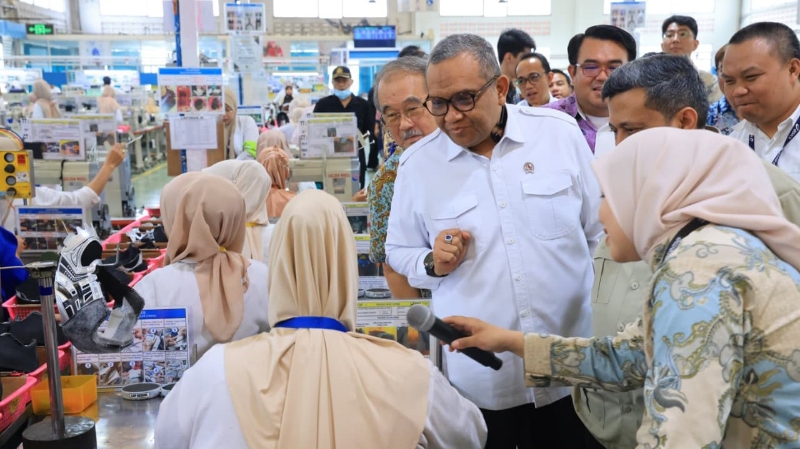
SERANG | INDATANEWS.COM - Indonesian Deputy Minister of Manpower Afriansyah Noor has stressed the importance of maintaining a balance between regulatory certainty, industrial sustainability, and worker protection. The government believes these three aspects need to be aligned so that labor policies can provide reliable conditions for businesses while ensuring that workers' rights remain protected.
Afriansyah made the statement during a working visit to PT Nikomas Gemilang in Serang Regency, Banten Province, on Monday, September 21, 2026. The visit was part of the government's efforts to gain a firsthand understanding of operations in a labor-intensive industrial sector while also examining the various challenges involved in implementing labor regulations in practice."This visit gives us a realistic picture of the operations of a labor-intensive industry. We want to ensure that the regulations issued by the government genuinely support business sustainability while also providing optimal protection for workers," Afriansyah said.
According to Afriansyah, the government continues to review various existing labor regulations and is preparing proposals for their further development so that implementation can be guided by clearer standards. At the same time, the government wants to ensure that every regulation can be implemented effectively in practice by both companies and workers.He described the development of labor regulations as an important component in creating healthy industrial relations. For this reason, the government must carefully consider various aspects before introducing or amending a regulation to ensure that the resulting policy can be implemented effectively.
"The Ministry of Manpower has a strong interest in developing these regulations further. Compliance with the regulations must be ensured, but their implementation in practice must not disrupt the industrial climate," he said.From the government's perspective, compliance with legal requirements remains a key element in creating an orderly working environment. At the same time, implementation must take into account the industry's ability to maintain sustainable production.
This balance is particularly important for labor-intensive industries that employ large numbers of people. The future of a company concerns not only economic activity but also the livelihoods of its employees and the broader economic impact on communities surrounding industrial areas.Therefore, the government is seeking to ensure that labor policies do not stop at normative requirements. Every regulation must be accompanied by a clear implementation mechanism so that all parties involved in industrial relations understand the provisions and can apply them consistently.
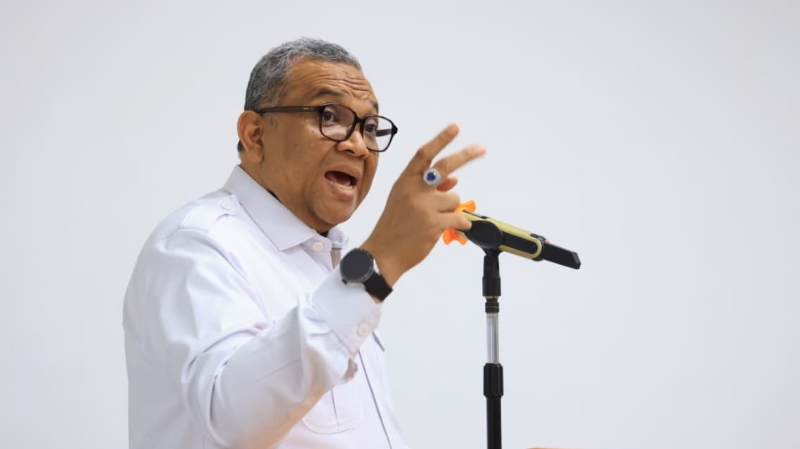
The government also views labor supervision as an instrument for creating a fair competitive environment. When supervision is carried out consistently, companies are subject to uniform standards in complying with labor regulations. This is intended to prevent individual companies from gaining a competitive advantage by disregarding their labor-related obligations.
"President Prabowo has instructed that supervision must be carried out seriously. Consistent oversight is the key to ensuring healthy competition and protecting workers' rights," Afriansyah emphasized.He said transparent supervision could also strengthen trust among the government, companies, and workers. Through effective oversight, the government can obtain a more objective picture of how regulations are being implemented, while companies gain greater clarity regarding the obligations they must fulfill.
At the same time, workers have better opportunities to exercise their rights to protection while companies continue their business operations. With a measurable and structured supervision system, the government can promote regulatory compliance without overlooking the industry's need to continue growing and developing.These efforts are also part of the government's agenda to strengthen labor administration. Regulation and supervision must complement each other so that policies not only provide administrative and legal certainty but also contribute to better working conditions.
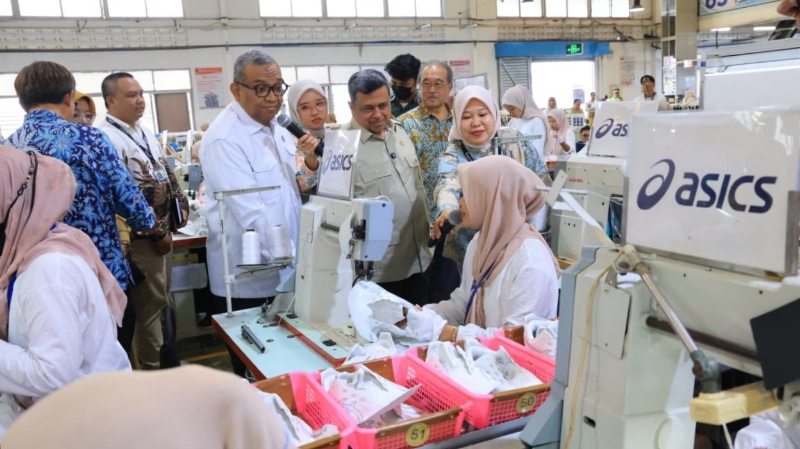
The figure highlights the major role of industry in creating jobs and supporting economic activity among local communities. Therefore, the government considers sustainable industrial development a shared responsibility. This includes policies that safeguard business productivity while ensuring worker protection.
Afriansyah emphasized that the government does not want industrial growth to come at the expense of workers' rights. Instead, labor policies must strike a balance between economic interests and the needs of employees."Industrial sustainability must be supported by policies that bring together the interests of businesses with the fulfillment of workers' rights and protection. In this way, industry can continue to develop while creating economic benefits for the community," he said in closing.
The visit to PT Nikomas Gemilang also gave the government an opportunity to observe the dynamics of the labor-intensive industry directly on the ground. The information gathered during the visit can contribute to the evaluation and further development of labor policies, enabling them to better reflect actual industrial conditions and workers' needs.Through the Ministry of Manpower, the government continues its efforts to establish industrial relations that provide regulatory certainty, support business sustainability, and ensure that workers receive their legally guaranteed rights and protections.
Under this approach, labor policies are expected to support sustainable industrial growth. Companies that are able to maintain and expand their operations over the long term remain an important source of employment, while workers should have confidence that their rights are protected in the workplace.The visit was also attended by Head of the Halal Product Assurance Agency (BPJPH) Ahmad Haikal Hasan and Head of the Serang Regency Office of Manpower and Transmigration (Disnakertrans) Diana Ardhianty Utami. (IDNC)
REPORTER: Ahmad Zulfikar | EDITOR: Fik Sagala




 /home/u7391150/public_html/indatanews.com/theme/function.php on line 28