Friday, 23 October 2026
MEDAN | INDATANEWS.COM - The large-scale power outage in Sumatra is not just a technical disruption. It is a resounding slap to Indonesia's narrative of modernization. Within minutes, cities were plunged into darkness. Economic activity stalled. Communication signals were disrupted. Hospitals relied on backup generators. Roads became chaotic. Panic spread. The entire situation revealed a bitter truth: Indonesia's energy foundation remains fragile.
PLN stated that a disturbance in the 275-kV Muara Bungo–Sungai Rumbai transmission line due to bad weather caused the blackout. This technical explanation is understandable. However, the public has the right to ask deeper questions: Why can a single disturbance cripple such a vast area? Why does the national power system remain vulnerable to domino effects? And why does a state like Indonesia still appear overwhelmed in handling regional energy crises?Electricity is no longer just a public service but a prerequisite of modern civilization. When it fails, not only lighting stops. Economic systems collapse, digital payments fail, industrial operations halt, and even social stability is pressured.
Fragile Energy Infrastructure in IndonesiaIronically, Indonesia has for years confidently spoken about digital transformation, industrialization, electric vehicles, data centers, and artificial intelligence. Yet the basic infrastructure shows clear weaknesses. Modernity appears stable on the surface but is vulnerable to single technical disruptions. This reveals a structural contradiction: the state invests in symbols of progress while often neglecting its technical foundation.
The Political Stage of Power SymbolismEnergy development has long been driven by numbers fixation. Additional megawatts are presented as political achievements; inaugurations of new power plants serve as stages for public self-presentation. Yet the real challenge of modern power systems lies not only in production but in stability under extreme conditions.
In many industrial countries, multi-layered protection systems exist. If one line fails, automatic reserves take over. A single fault does not lead to a regional blackout. Instead, smart grids, digital monitoring systems, and resilient network architectures ensure stability. Indonesia, however, often responds only after crises occur. Transparency regarding risks, grid age, or system reserves remains limited.Climate Change and the Question of Responsibility
Climate change further exacerbates this problem. Extreme weather events are becoming more frequent: storms, floods, and lightning strikes increasingly burden infrastructure. Technical disruptions thus become more likely and potentially more widespread.The key question is therefore not only whether bad weather played a role, but whether the system is sufficiently resilient. Modern energy policy must not only react to events but proactively minimize risks.
Indonesia thus faces a fundamental dilemma: the focus often lies on visible construction projects, while invisible but critical infrastructure such as transmission networks, emergency systems, and intelligent control technologies lag behind. The result is uneven modernization standing on fragile foundations.The question "Who bears responsibility?" cannot be answered purely technically. Responsibility lies in the strategic direction of energy policy itself: Is energy understood as a foundation of national resilience or merely an administrative project?
The public needs more than explanations after a blackout. It needs comprehensive system audits, transparency about grid stability, and serious reforms in energy infrastructure. Without these steps, the next blackout is only a matter of time.In the end, a sobering conclusion remains: every new darkness is not just a technical failure but a reflection of structural shortcomings.
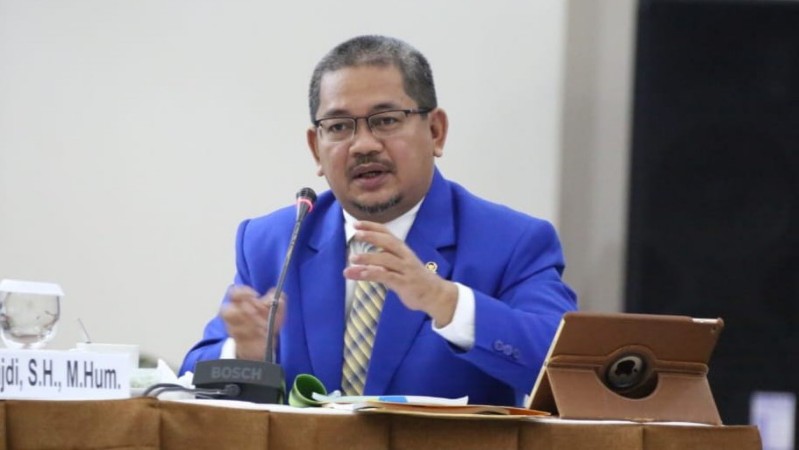
By Dr. Farid Wajdi, S.H., M.HumFounder Ethics of Care and Member of the Commission for Justice (2015–2020)