

Sunday, 02 August 2026
MEDAN | INDATANEWS.COM - The Consumer Protection and Advocacy Agency (LAPK) has called on the Medan City Government to ensure that the development of the Bus Rapid Transit (BRT) system does not come at the expense of green spaces and urban trees.
While supporting efforts to modernize public transportation, LAPK emphasized the importance of maintaining a balance between infrastructure development and environmental sustainability.
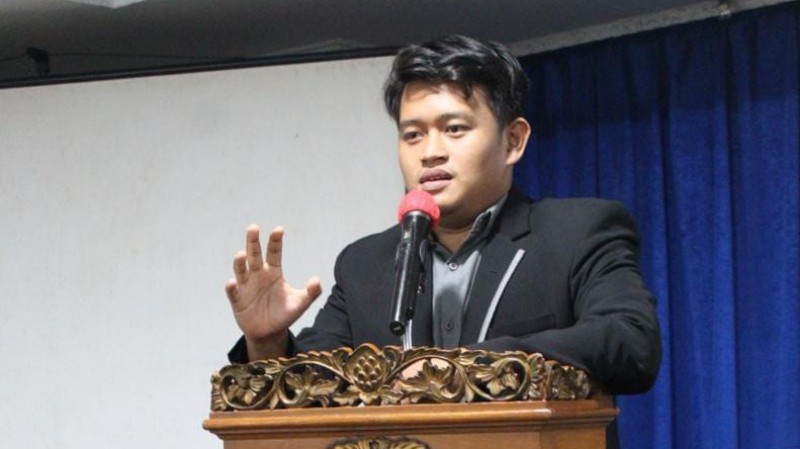
Muhammad Zein Azhary Wajdi Lubis, S.H., M.Kn., Secretary of LAPK, said the organization fully supports the expansion of the BRT network as a strategic step toward improving public transportation services in Medan. However, he stressed that existing green areas and mature shade trees must be preserved due to their vital role in maintaining the city's ecological balance.
According to Zein, as the economic hub of Sumatra, Medan requires a modern, efficient, and integrated transportation system. Nevertheless, the success of major infrastructure projects should not be measured solely by the length of roads built or the amount of investment spent, but also by their ability to safeguard environmental quality and improve residents' well-being.
"Amid rising urban temperatures, recurring flooding, and growing concerns over air quality, trees serve a far greater purpose than simply beautifying the cityscape," Zein said.
Currently, green areas account for only around 18 percent of Medan's land area, highlighting the urgent need to preserve existing green spaces rather than reduce them further.
He argued that the BRT project should become an opportunity to demonstrate that modern transportation development can coexist with environmental protection. Any decision affecting green spaces, he said, must be supported by comprehensive studies and communicated transparently to the public.
Zein also underscored the importance of involving academics, environmental experts, urban planners, and local communities in the decision-making process. Transparency and public participation, he added, are essential elements of sustainable urban development.
As an example, he pointed to Jakarta, where the expansion of modern public transportation systems has not necessarily required the removal of large numbers of trees. Instead, many transit facilities and stations have been designed to integrate with existing vegetation, creating comfortable, shaded, and visually appealing public spaces.
Urban trees absorb carbon dioxide, produce oxygen, lower surrounding temperatures, retain rainwater, and help improve air quality. Their removal would have direct consequences for the city's environmental health.
"A tree cut down today cannot be replaced within a matter of months or even years. Many of Medan's shade trees have grown for decades and play an irreplaceable role in climate protection and environmental sustainability," he said.
Even if replacement saplings are planted, residents would have to wait many years-if not decades-before those trees could deliver the same environmental benefits as mature trees. Therefore, any plan involving tree removal should undergo careful evaluation.
According to Zein, truly modern cities are not defined by the amount of concrete and asphalt they contain. Rather, progress should be reflected in the creation of innovative, environmentally friendly, and livable urban spaces.
The public, Zein said, has the right to understand the technical and environmental considerations behind such decisions. Project designs that preserve and integrate existing trees should be prioritized over plans that treat tree removal as the first option.
He concluded by emphasizing that Medan residents should not be forced to choose between modern public transportation and environmental protection.
The BRT system has the potential to significantly reduce traffic congestion and improve urban mobility. At the same time, green spaces and urban trees remain indispensable to maintaining ecological balance and enhancing quality of life.
"Infrastructure development should not worsen the city's existing shortage of green spaces. A truly modern city is one that can build new infrastructure while preserving environmental values, protecting trees, and ensuring a high quality of life for its residents," Zein concluded. (IDNC)
REPORTER: Darmailawati | EDITOR: Fik Sagala
 /home/u7391150/public_html/indatanews.com/theme/function.php on line 28