Sunday, 11 October 2026
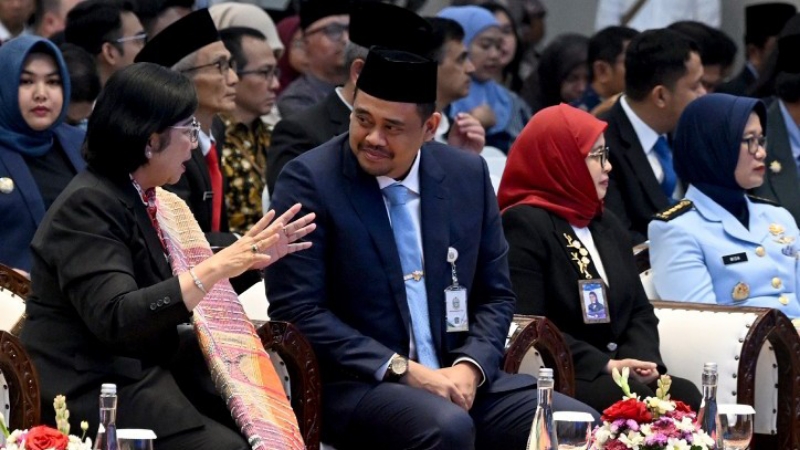
MEDAN | INDATANEWS.COM - Indonesia's North Sumatra province is expected to record economic growth of 5.11% in 2026. Despite this positive outlook, the provincial government faces a major challenge in addressing economic disparities between different areas. Four regencies in the Nias Islands are particularly affected, as they continue to be classified as economically underdeveloped.
The forecast was announced by Ameriza Ma'aruf Moesa, the newly appointed Head of Bank Indonesia's Representative Office in North Sumatra, during his inauguration ceremony on Friday, 9 October 2026. The event took place at the Raja Inal Siregar Hall at the North Sumatra Governor's Office, located at 30 Jalan Diponegoro in Medan.According to Ameriza, the established cooperation and close coordination between Bank Indonesia, the North Sumatra provincial government and various other stakeholders provide an important foundation for achieving the targeted economic growth. Bank Indonesia also intends to make greater use of the province's labour market and tourism potential to stimulate regional economic activity."For this year, we forecast economic growth of 5.11% and inflation of around 3.1%. We can achieve these targets thanks to the cooperation and synergies we have built over the past few years," Ameriza said.
However, stronger economic growth does not automatically mean that prosperity will increase equally across all regions. The provincial government must therefore ensure that economic development also creates jobs, raises household incomes and strengthens regional economic potential that has yet to be fully developed.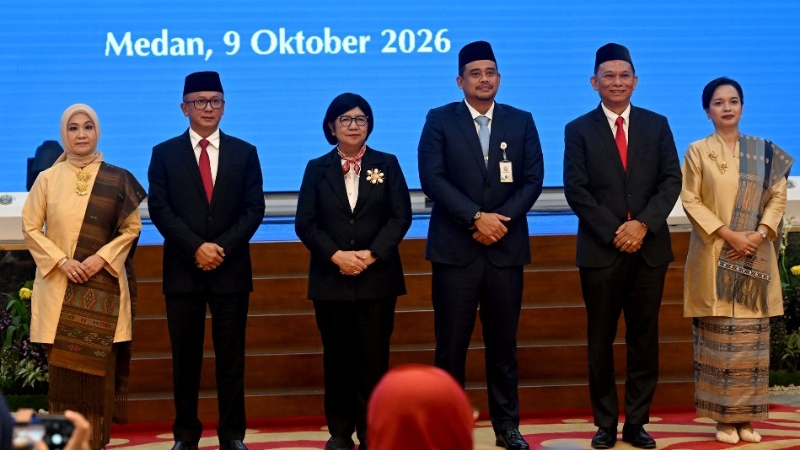
North Sumatra Governor Bobby Nasution highlighted the continuing differences in economic development between several regencies and cities. According to him, around ten regencies and cities recorded positive economic growth in 2026, while other areas continue to face challenges in improving their economic performance.
Particular attention is being directed towards the four regencies in the Nias Islands, which remain classified as economically underdeveloped. This situation illustrates the need to ensure that efforts to increase economic growth across the province go hand in hand with more balanced development. This is especially important in areas where limited accessibility and low levels of economic activity continue to hamper progress."Growth is not evenly distributed. Perhaps around ten regencies and cities are recording good results. The challenge in North Sumatra is that some regions are performing very well economically, while others remain far behind. We still have underdeveloped areas in the Nias Islands. Hopefully, we can reduce these disparities," Bobby Nasution said.
The governor believes the provincial government must strengthen its cooperation with Bank Indonesia and other relevant stakeholders to narrow the existing gaps. Through this collaboration, local potential can be better developed, business opportunities expanded and the economic capacity of underdeveloped regions strengthened.The Nias Islands hold strategic importance for achieving balanced development across North Sumatra. Economic support for the region must therefore become a greater priority. Key measures include strengthening productive economic sectors, improving transport links, developing tourism and providing targeted assistance to local businesses.
More balanced development also requires policy and economic measures tailored to the specific needs of individual regions. The government must identify existing barriers to economic growth and align its development programmes with the goal of delivering tangible improvements in people's lives.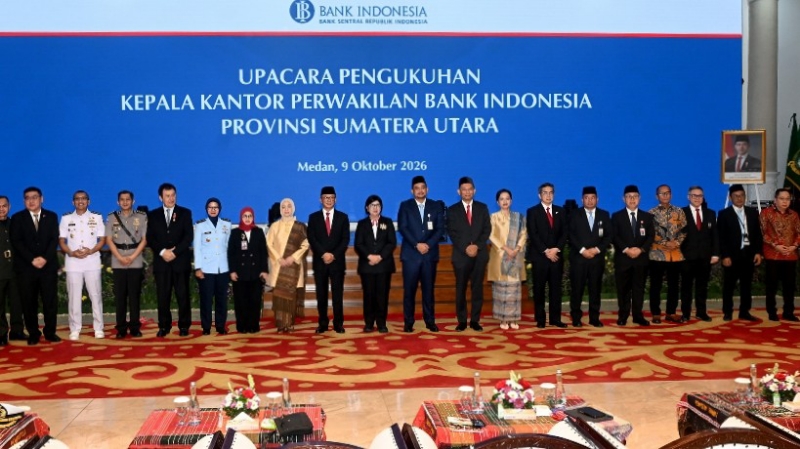
In the second quarter of 2026, North Sumatra recorded annual economic growth of 5.06% compared with the same period a year earlier. This represented an improvement on the previous quarter, when the economy grew by 4.98%.
Bobby acknowledged the contributions of Bank Indonesia, the North Sumatra provincial government and other stakeholders in maintaining economic growth and containing inflation. He also highlighted the province's ability to sustain economic development despite the impact of natural disasters on 18 regencies and cities in the previous year."Cooperation between North Sumatra, Bank Indonesia and other stakeholders has been exceptional. Together, we have achieved solid economic growth and, with the support of Bank Indonesia and other relevant parties, kept inflation under control. This was despite 18 regencies and cities in our province being affected by disasters last year. We are very grateful for this," Bobby said.
Containing inflation is an important part of protecting the public's purchasing power. The provincial government and Bank Indonesia must therefore continue to coordinate their efforts to maintain adequate supplies and stable prices for essential goods. This is particularly important during periods of increased demand ahead of major religious holidays.Rudy Brando Hutabarat, the previous Head of Bank Indonesia's Representative Office in North Sumatra, emphasised three key principles during his tenure: collaboration, innovation and synergy. He brought these three elements together under the Indonesian acronym KIS and described them as essential foundations for implementing inflation-control measures and stabilising the regional economy.
"We call it KIS (collaboration, innovation and synergy). Our cooperation is very strong, enabling us to implement measures such as inflation control and the stabilisation of meat prices during major holidays. Through our innovations, North Sumatra ranked third nationally in inflation control. Then there are the synergies we have built," Brando said.These experiences provide an important foundation for the new leadership of Bank Indonesia in North Sumatra as it continues to coordinate with the provincial government and other stakeholders. Beyond maintaining price stability, cooperation must also strengthen productive economic sectors so that the benefits of development increasingly reach underdeveloped areas.
Bank Indonesia Governor Destry Damayanti also underscored North Sumatra's considerable potential to support national economic growth. She said Bank Indonesia sought to assign highly qualified personnel to regional offices who could effectively implement the central government's policies and economic measures at the local level."We always strive to send our highly qualified personnel to North Sumatra. They must be capable of implementing the central government's policies at the regional level so that those policies can be effective on the ground," Destry said.
Those attending Ameriza's inauguration included regional government leaders from across North Sumatra, heads of Bank Indonesia representative offices from provinces throughout Sumatra, Acting North Sumatra Provincial Secretary Timur Tumanggor, representatives of the North Sumatra Regional Leadership Coordination Forum, consuls from friendly countries, heads of central government agencies operating in the region, university rectors, academics and representatives of the provincial government's organisational units.The projected growth rate of 5.11% and expected inflation of around 3.1% provide an indication of North Sumatra's economic outlook for 2026. However, the success of development cannot be measured by growth figures alone. Equally important is the extent to which the government and all stakeholders can reduce economic disparities between regions.
The next challenge is to ensure that economic progress benefits communities more evenly, particularly those living in the Nias Islands. Strengthening the labour market, promoting tourism and local businesses, and improving coordination on economic policy are essential steps towards more inclusive development across North Sumatra. (IDNC)REPORTER: Ahmad Zulfikar | EDITOR: Fik Sagala