Thursday, 24 September 2026
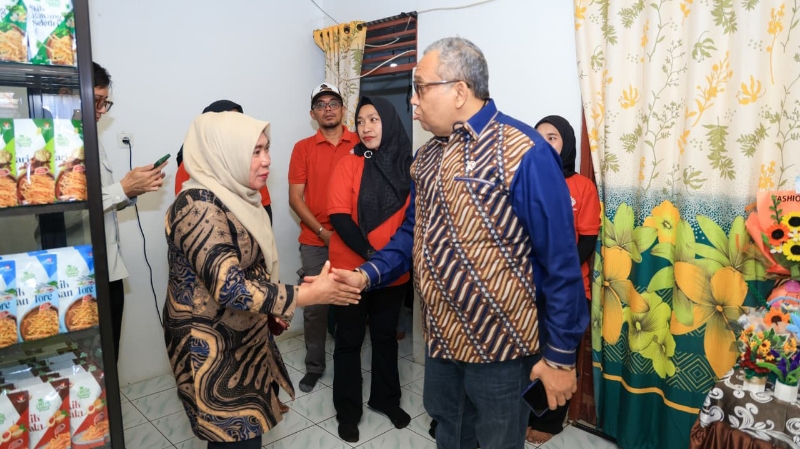
TERNATE | INDATANEWS.COM - The Advanced Self-Employment Workers (Tenaga Kerja Mandiri/TKM) group in Ternate, Maluku Utara, continues to develop the potential of local food into processed products with added economic value. One of the groups running such a business is Fala Satu Putri. The group produces various snacks and processed fish products using raw materials that are readily available in the region.
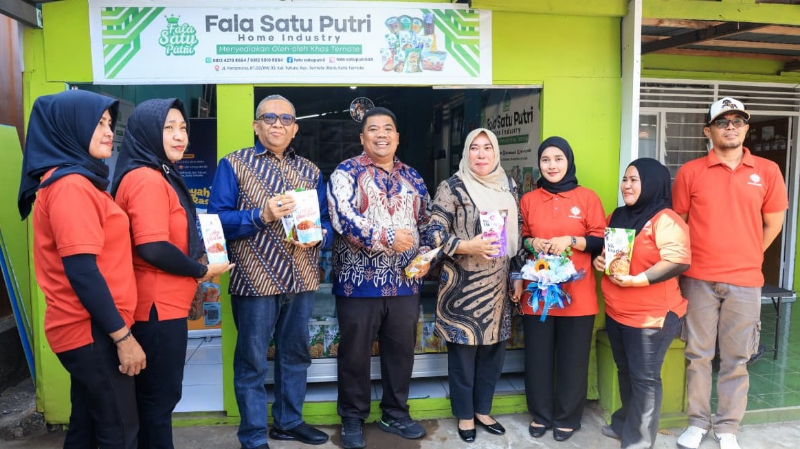
The Fala Satu Putri home-based business is managed by Maryani Ade together with six group members. They process various local raw materials into ready-to-market food products, including kenari sticks, tuna abon, and garo rica fish abon.The processing of local raw materials serves not only to produce goods for the market. It also provides group members with an opportunity to increase their income through independent economic activities. Fala Satu Putri develops its products by considering different flavors, attractive packaging, and the necessary legal requirements.
Kenari sticks are among the group's main products. They are available in six flavors: Ikan Tore, kenari, cheese, nutmeg, purple sweet potato, as well as onion and celery. The variety of flavors gives consumers more choices while highlighting the product's character as a processed specialty made from local raw materials from Maluku Utara.In addition to developing various product variants, the Fala Satu Putri group also places importance on packaging and product safety. Its products are now better packaged and carry a halal label. This step is important for strengthening consumer confidence while also opening up new marketing opportunities.
During the visit, Afriansyah inspected the processed food products developed by Maryani and her group members. He praised the group's ability to transform locally available food raw materials into products with added economic value that also have the potential to reach a wider market.
"Saya sangat apresiasi usaha produk lokal stik dan abon ini karena usaha yang diproduksi Bu Maryani ini memiliki kualitas ekspor," Afriansyah said.According to Afriansyah, the quality of the products is reflected not only in the raw materials used and the processing methods, but also in the way the group prepares its products for sale. Good packaging and the halal label are factors that support Fala Satu Putri's products in entering the souvenir and gift market.
"Makanan ringan ini memiliki kemasan yang bagus, sudah dilengkapi label halal, dan sangat siap diperjualbelikan sebagai oleh-oleh khas bagi siapa saja yang berkunjung ke Ternate," he said.The statement illustrates that local food products can gain greater market opportunities when entrepreneurs pay attention not only to production quality but also to supporting aspects such as packaging and legal requirements.
For the TKM group, developing a business based on local potential is also part of an effort to create sustainable economic activities. Raw materials available in the surrounding area give entrepreneurs an opportunity to develop products with a strong regional identity.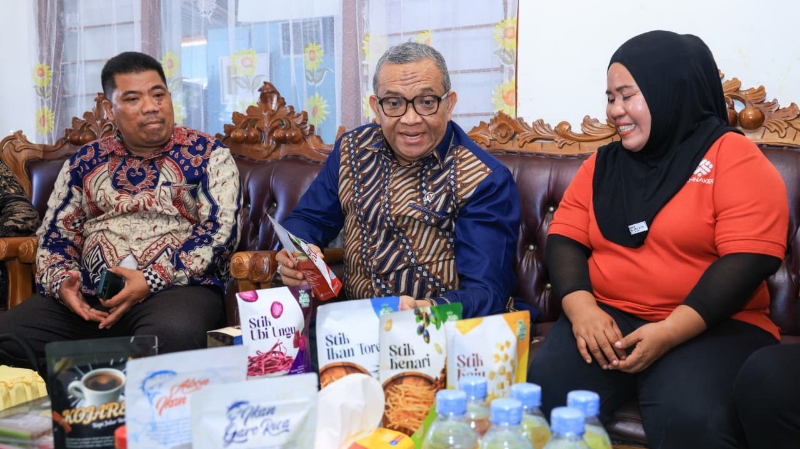
The Ministry of Manpower supports TKM participants through training and business assistance. The program helps participants strengthen their skills in managing and developing their businesses in a sustainable manner.
The support also provides groups with opportunities to develop products according to the potential available in their respective regions. The use of local food raw materials is a strategy to increase the economic value of agricultural and fisheries products while encouraging communities to develop their own businesses.Fala Satu Putri is an example of how a TKM group utilizes the potential of local food to create products with added value. Kenari nuts, tuna, garo rica fish, nutmeg, purple sweet potatoes, and various other ingredients can be processed into food products with their own market value.
Product diversification also gives the group an opportunity to reach consumers with different tastes. The six variants of kenari sticks produced by Fala Satu Putri demonstrate the group's efforts to provide various product options while highlighting food ingredients that are closely associated with the Maluku Utara region.The halal label and more attractive packaging also provide important foundations for expanding marketing efforts. With continuous improvements in business capacity, the products have the potential to expand beyond the local market into the souvenir trade and other sales channels.
For Maryani and the group members, the deputy minister's visit provides additional encouragement to maintain and further improve the quality of their business. The recognition motivates them not to keep Fala Satu Putri at the level of a small home-based enterprise, but to develop the business in accordance with market demands."Saya berharap semoga usaha ini menjadi lebih baik lagi dan bisa terus berkembang ke depannya," Maryani said.
The visit also highlighted the importance of cooperation between the government and entrepreneurs in supporting self-employed workers. Through training, assistance, and business support, TKM groups can continuously improve their production capacity and develop products based on the potential of their respective regions.During his visit to Fala Satu Putri, Afriansyah was accompanied by Marwan, Head of the Manpower and Transmigration Office of Maluku Utara, and Irnawati Dahman, Head of the Vocational Training and Employment Placement Division at the Manpower and Transmigration Office of Maluku Utara.
The development of products such as kenari sticks and fish abon demonstrates that local food raw materials can contribute to strengthening the economic conditions of communities. When entrepreneurs combine creative processing, product quality, packaging, and the necessary legal requirements, the potential of regional food products can be developed into higher-quality goods with greater selling value.For Fala Satu Putri, further business development is a step toward strengthening the group's economic independence while also providing an opportunity to introduce typical food products from Ternate to a wider audience.
With the support of the TKM program and the group members' commitment to maintaining consistent production quality, the home-based business is expected to continue growing and provide long-term economic benefits for its members. (IDNC)REPORTER: Ahmad Zulfikar | EDITOR: Fik Sagala




 /home/u7391150/public_html/indatanews.com/theme/function.php on line 28