Saturday, 24 October 2026
TARUTUNG | INDATANEWS.COM - Collaboration between the government, educational institutions, churches, families, businesses and the wider community is a decisive factor in improving the quality of education and accelerating the transformation of Christian schools in Indonesia. Cross-sector cooperation is essential to developing skilled, principled and independent individuals who can thrive in a rapidly changing world.
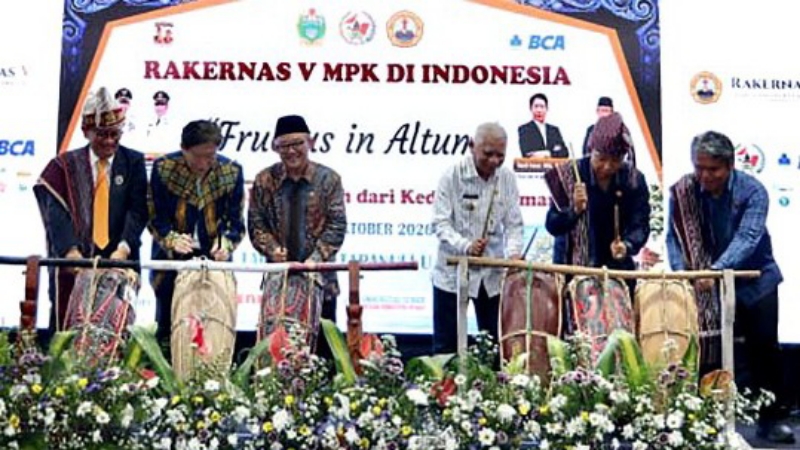
North Sumatra Deputy Governor Surya emphasised the importance of cooperation among all stakeholders when he opened the fifth National Working Meeting of the Indonesian Council for Christian Education (Majelis Pendidikan Kristen, MPK) on Thursday, 15 October 2026, at Sopo Partungkoan in Tarutung, North Tapanuli Regency. The national forum aims to produce strategic decisions and concrete programmes to strengthen Christian education in various regions across the country.
The event was attended by the Minister of Primary and Secondary Education, representatives of the MPK at national level, the MPK regional organisation for North Sumatra and Aceh, the North Tapanuli Regency Government, and participants from various parts of Indonesia.
In his address, Surya conveyed the greetings and appreciation of North Sumatra Governor Bobby Nasution to the entire MPK community in Indonesia. He also asked for understanding because the governor was unable to attend the event in person.
"On behalf of the North Sumatra Provincial Government, I warmly welcome all participants to the fifth National Working Meeting of the MPK in Indonesia. Your presence is an honour for the people of North Sumatra, particularly the people of North Tapanuli," Surya said.
He expressed the hope that the fifth National Working Meeting would produce concrete decisions to advance Christian education, particularly in North Sumatra. In his view, the forum plays an important role in evaluating ongoing work programmes, aligning policy guidelines and setting the organisation's agenda for 2027.
Surya urged participants to use the working meeting as an opportunity for open and constructive exchanges of ideas. Discussions, he said, must reflect the actual needs of Christian schools. The outcomes must go beyond planning documents and lead to programmes that can be implemented and evaluated.
The fifth National Working Meeting of the MPK in Indonesia is being held under the theme Fructus in Altum: Transformation of Christian Schools. Surya considers the theme particularly relevant amid the constantly changing challenges facing education. Schools must improve teaching quality while strengthening their organisational capabilities to respond to developments in science and technology and the needs of society.
"The transformation of Christian schools must focus on improving teaching quality, strengthening school management, developing teachers' competencies and building the capacity to adapt to advances in science and technology," he said.
According to Surya, educational reform cannot be achieved simply by updating teaching methods. Schools must also establish sound management systems, strengthen teachers' competencies and create learning environments where pupils can develop their individual abilities.
The teaching of scientific and technological knowledge must go hand in hand with character development. This approach can prepare young people not only to achieve academic success but also to address social problems and adapt to changes in the world of work.
Surya stressed that educational quality should not be measured solely by academic performance. Education must also instil integrity, social responsibility, moral and spiritual values, and the ability to live peacefully in a diverse society.
Against this backdrop, he described Christian schools as important institutions that contribute both to public education and to the development of a generation of young people who are faithful, principled, independent and competitive.
"The Christian values taught through education should be reflected in honesty, love for others, a sense of responsibility, discipline and a strong willingness to serve others," he explained.
In his view, these values must be evident in everyday school life. Character development cannot be achieved through classroom instruction alone. It must be reinforced by teachers setting a positive example, a supportive school culture and family involvement in children's development.
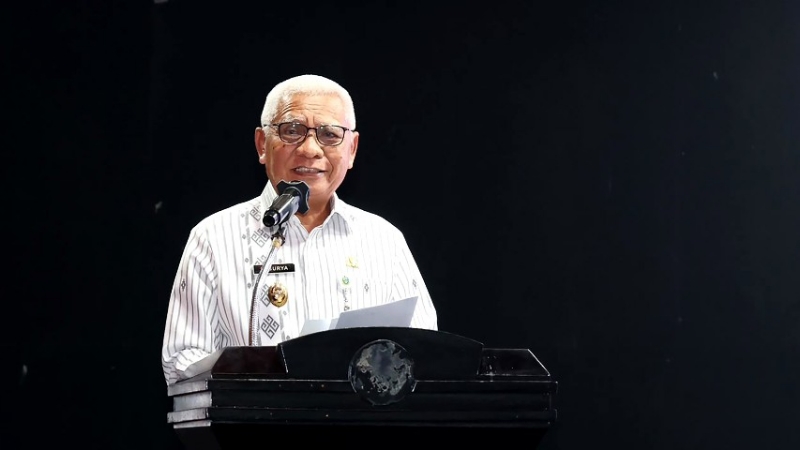
Surya highlighted that improving educational quality is a shared responsibility. The government cannot expand access to high-quality and equitable education on its own. Educational institutions, churches, families, businesses and the wider community must all contribute according to their respective capacities and responsibilities.
He linked this approach to the North Sumatra Provincial Government's development vision: Kolaborasi Sumut Berkah Menuju Sumatera Utara yang Unggul, Maju, dan Berkelanjutan — collaboration for a blessed North Sumatra on its path towards becoming a leading, progressive and sustainable province.
"Collaboration means creating opportunities for joint activities, bringing ideas together and mobilising resources to achieve shared goals. Through collaboration, we want to develop skilled individuals, encourage innovation in education and ensure that development delivers long-term benefits to society," Surya said.
He called on the MPK and all stakeholders to improve coordination in developing educational programmes. Support schemes, assistance measures and partnerships must be tailored to the needs of individual educational institutions so that they can address concrete problems in their local communities.
Cooperation should also facilitate the exchange of experience and good practice between schools. Through continuous communication, institutions can develop their teaching approaches, improve teachers' competencies and make their organisational processes more effective.
Furthermore, the involvement of families and community groups can help create an educational environment that supports pupils' development. Assistance from different stakeholders should enable more children to access high-quality education without neglecting character development or equal educational opportunities.
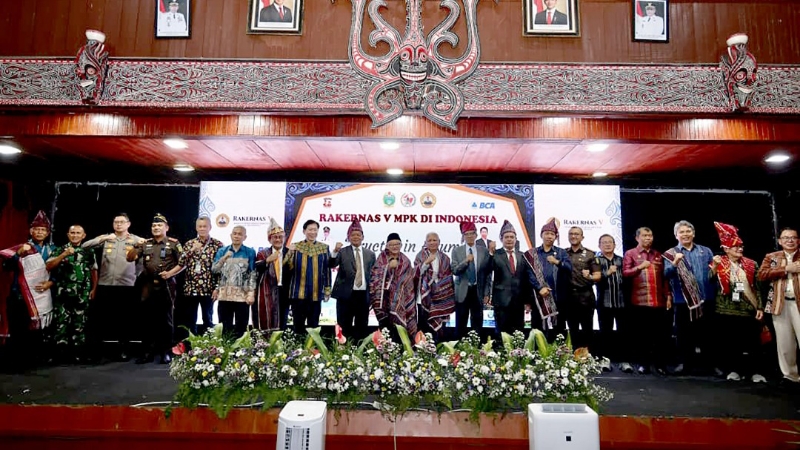
Surya urged all participants to develop measurable, realistic and practical programmes during the fifth National Working Meeting of the MPK. He called on them not merely to present ideas but also to establish concrete measures to improve school management and teaching quality.
"The outcomes of the working meeting must not stop at planning documents. They must be translated into concrete measures that improve school management, strengthen teachers' competencies, encourage innovation in teaching and expand the benefits of education for society," he stressed.
Surya also called on the leadership of the MPK in Indonesia to strengthen its organisational structures and educational management while upholding the principles of responsible governance, transparency and accountability. These principles, he said, are essential to maintaining public trust and ensuring that all programmes achieve their intended objectives.
Programmes developed during the working meeting should also include clearly defined targets and evaluation mechanisms. This would enable the MPK to monitor implementation progress, identify obstacles and determine the improvements needed to further enhance educational quality.
Surya expressed the hope that the fifth National Working Meeting of the MPK would not only produce strategic decisions but also strengthen the shared commitment of all stakeholders to advancing Christian education in Indonesia.
"Let us work hand in hand and offer our support, whether through ideas, guidance or assistance within our respective capacities. In this way, we can help make education more accessible and give renewed hope to the next generation of our nation," he concluded.
The fifth National Working Meeting of the MPK in Indonesia is expected to provide fresh impetus for stronger cooperation between the government, educational institutions and society. Through collective commitment and the implementation of measurable programmes, the transformation of Christian schools is intended to deliver high-quality education, nurture a generation with strong character and equip young people to meet the challenges of social and technological change. (IDNC)
REPORTER: Ahmad Zulfikar | EDITOR: Fik Sagala