Wednesday, 16 September 2026

SAMOSIR | INDATANEWS.COM ~ The cultural celebration of Horja Bius Mangase Taon was officially inaugurated on Friday, April 10, 2026, in Samosir. The event, held at Salon Tonga-tonga, was organized by the Samosir Tourism and Culture Office as part of efforts to preserve Batak cultural heritage and promote cultural tourism.
Traditional Ceremony Marks the OpeningThe opening ceremony was led by Deputy Regent Ariston Tua Sidauruk, who symbolically struck the traditional gondang drum to mark the beginning of the sacred rituals. The gesture signified unity, respect for tradition, and the official start of the cultural festivities.
Government and Cultural Stakeholders in AttendanceThe event was attended by regional government officials, including the regional secretary, administrative assistants, heads of communication agencies, and leaders of various local institutions. Traditional community representatives also played a vital role in the ceremony.
The cultural group Bius Salaon Sitolu Hae Horbo contributed significantly to the rituals, which remain deeply rooted in Batak ancestral traditions.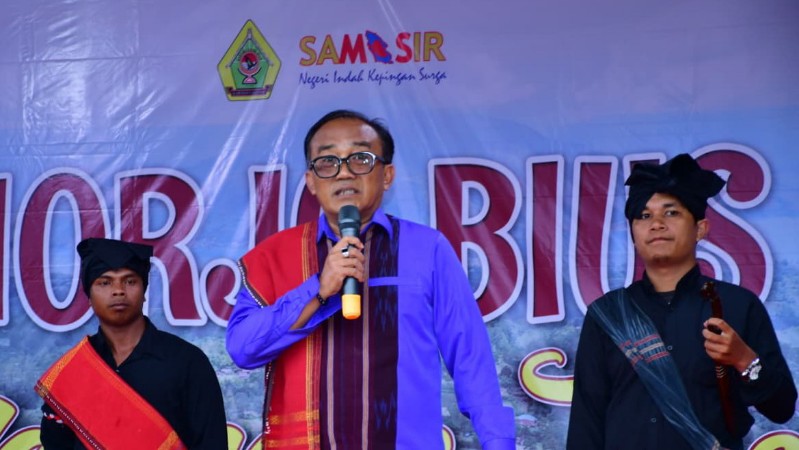
Part of Horas Samosir Fiesta Celebration
The ceremony is part of the broader festival program Horas Samosir Fiesta, marking its official opening. The two-day program, held from April 10–11, 2026, featured a series of traditional rituals such as Tomu-tomu, Martulaktulak, Mamona Gondang, and the sacred Mangalahat Horbo ritual. Students from Ronggur Nihuta District also participated with cultural performances and traditional dances.Spiritual Meaning and Cultural Preservation
The Horja Bius Mangase Taon ritual holds deep spiritual significance for the Batak community. Traditionally, it is performed to ward off misfortune and disease while seeking blessings for the community's well-being.The event highlights the strong connection between spirituality, tradition, and communal harmony, emphasizing the importance of cultural identity in a modernizing world.
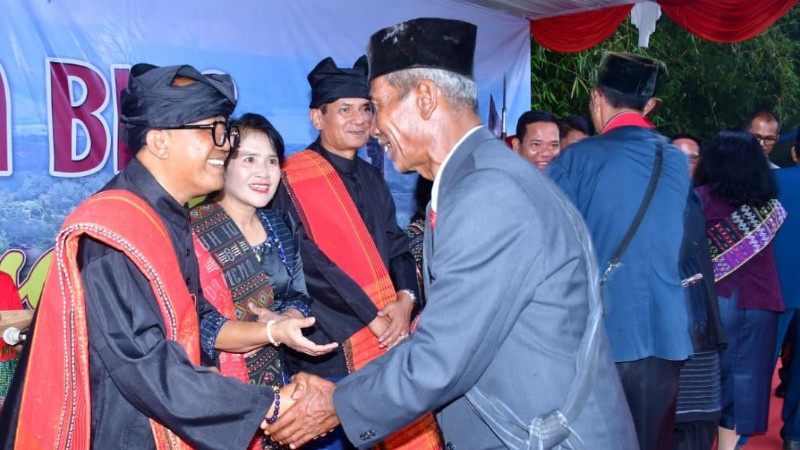
Deputy Regent Ariston Tua Sidauruk emphasized the importance of preserving cultural values and encouraging youth involvement in safeguarding heritage. He described culture as an invaluable asset that must be protected collectively.
He also proposed the development of a cultural performance theater and the strengthening of traditional village-based cultural communities, similar to models found in other tourism destinations. (IDNC)REPORTER: Sri Endang Lasmiaty | EDITOR: Fik Sagala





 /home/u7391150/public_html/indatanews.com/theme/function.php on line 28