Monday, 09 November 2026
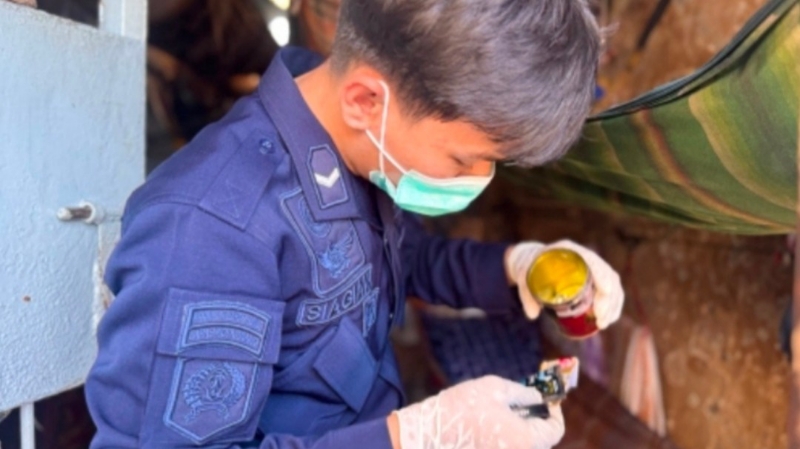
LABUHANBATU SELATAN | INDATANEWS.COM - Haris Damanik, S.H., M.H., head of the Class III Kotapinang Correctional Facility, has firmly denied allegations of illegal drug trafficking inside the institution under his leadership. In response to public scrutiny and to demonstrate his commitment to tackling drugs, he has offered to conduct mass urine tests on all inmates, with members of the press and relevant institutions invited to witness the process.
Haris made the statement in a written response on Sunday, 8 November 2026, following media reports alleging drug trafficking inside the Kotapinang Correctional Facility in Labuhanbatu Selatan Regency.
He maintained that the allegations were untrue and unsupported by reliable evidence. He also expressed concern that the reports could create a negative public perception of the correctional facility and cause anxiety within the community.
Rather than simply rejecting the allegations, Haris proposed comprehensive urine testing as a means of establishing the facts. He stressed that his institution was willing to open the examination process to public scrutiny as part of its commitment to transparency and accountability.
Haris said he was ready to organise mass urine tests for all inmates. He also invited journalists, relevant institutions and media organisations that had reported the alleged drug trafficking to attend and observe the examinations directly.
"We are very open and ready to organise mass urine tests. To ensure objectivity, we also invite our colleagues in the press, relevant institutions, including the media outlets that published the information, to attend and witness the process first-hand," Haris said.
He argued that the involvement of external parties would help maintain objectivity while providing broader opportunities for public scrutiny. This would allow the community to assess the situation based on the examination results rather than relying solely on public debate or conflicting statements.
Haris stressed that allegations of drug abuse or trafficking inside correctional facilities should be addressed through clear and accountable examinations. He said he did not want the controversy to escalate without the facts being established.
The offer to conduct mass urine tests also provides the public with an opportunity to assess the seriousness of Kotapinang's commitment to combating drugs. However, the actual implementation of the examinations remains essential if the announcement is to be supported by tangible action.
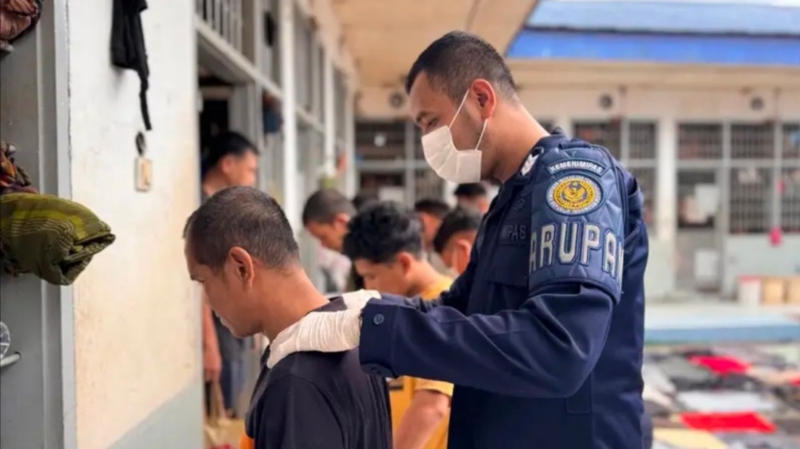
Haris also stressed that his institution was open to criticism and public scrutiny. He said he respected press freedom as one of the pillars of democracy, with an important role in overseeing transparency, accountability and the performance of public institutions.
Nevertheless, he hoped media organisations would seek confirmation from the relevant parties before publishing information about alleged legal violations. He said this was important to ensure reporting met the journalistic principles of accuracy, balance and responsibility.
"We respect press freedom as a pillar of democracy. Therefore, the doors of the Kotapinang Correctional Facility are always wide open for coordination and verification, so that information reaching the wider public remains accurate, balanced and informative," he said.
According to Haris, criticism is a necessary part of public oversight. However, information that has not yet been verified should be treated carefully to prevent confusion or potential harm to particular parties.
He added that the Kotapinang Correctional Facility provided channels of communication for media organisations and institutions seeking clarification about its activities and conditions.
In his view, open communication could help prevent misunderstandings while strengthening relations between the correctional facility, the media and the wider community.
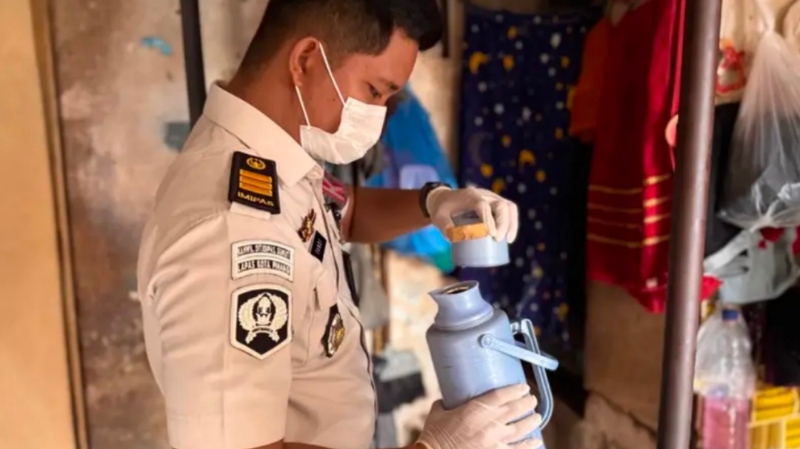
Regardless of the prison chief's denial, allegations of drug trafficking inside correctional facilities remain a serious issue requiring continuous oversight. Such institutions are expected to support inmates' rehabilitation and ensure they serve their sentences in a safe environment free from drug abuse.
Kotapinang's readiness to conduct mass urine tests must therefore be followed by concrete action. A confirmed timetable, clear testing procedures, the involvement of independent parties and the disclosure of results in accordance with applicable regulations are among the important factors needed to maintain the credibility of the process.
The examinations should be conducted objectively and involve relevant parties in line with their respective authorities and established procedures. Appropriate oversight would help provide a clearer picture of the actual conditions inside the facility.
A commitment to combating drugs cannot stop at statements or written clarifications. It requires consistent internal monitoring, measures to prevent prohibited items from being smuggled into the facility, enforcement of regulations and reviews of any indications of misconduct.
If carried out transparently and accountably, mass urine testing could provide an opportunity to strengthen public confidence and improve oversight at the Kotapinang Correctional Facility.
The public is now waiting for Haris to fulfil the commitment he has announced. Public confidence in correctional institutions cannot be built through denials alone. It depends on integrity, transparency and actions that can withstand scrutiny.
Ultimately, everyone who publishes information must rely on facts and uphold their responsibilities. Equally, institutions facing public scrutiny must be prepared to provide explanations and demonstrate their commitments through tangible measures. (IDNC)
REPORTER: Jhon Fitra Sagala | EDITOR: Fik Sagala