Saturday, 24 October 2026
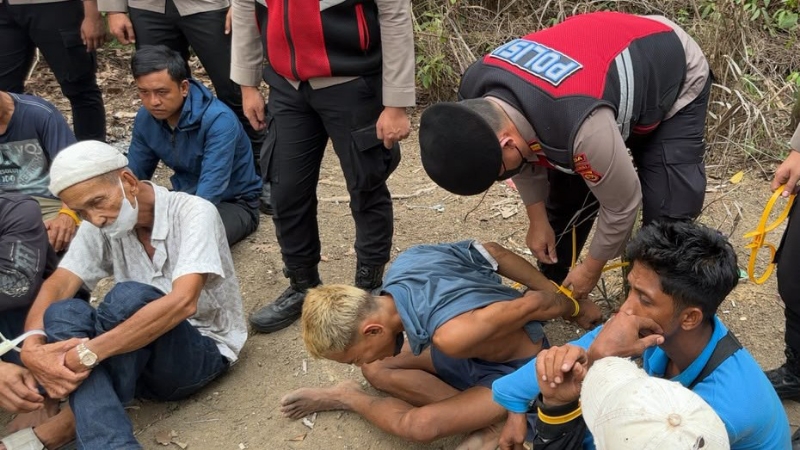
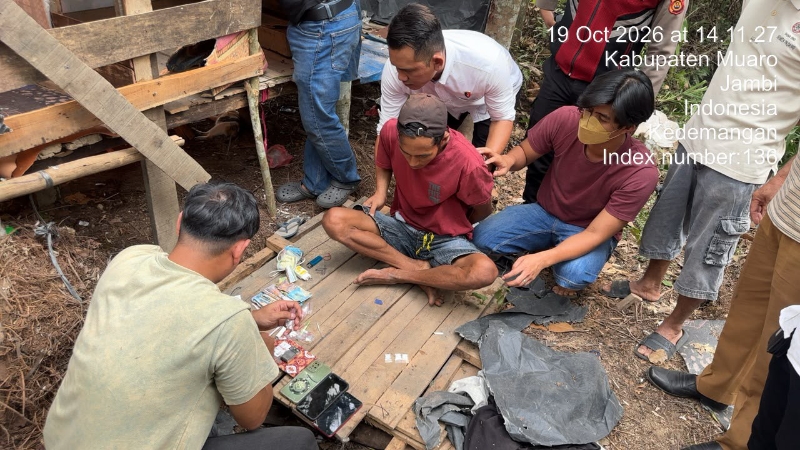
JAMBI | INDATANEWS.COM - Police in Indonesia's Jambi Province are stepping up routine operations to curb drug abuse and illegal drug trafficking. On Monday, 19 October 2026, officers detained 20 people suspected of using drugs during an operation in Senaung, Jambi Luar Kota subdistrict. The group comprised 19 men and one woman.
The operation was conducted by Jambi Police's Narcotics Investigation Directorate, with support from officers of the Directorate of General Policing Duties. Alongside targeted enforcement, police increased patrols, inspected suspected drug activity sites and engaged with residents to help prevent illegal drug trafficking.The operation continued on Tuesday, 20 October 2026, as part of efforts to enforce drug laws under the National Police Chief's Quick Wins programme. Jambi Police deployed 145 officers, supported by four personnel from the Jambi Provincial National Narcotics Agency.
Several units took part in Tuesday's operation, including narcotics investigators, intelligence and security officers, medical and health personnel, professional ethics and internal security officers, general policing units, the Mobile Brigade Corps, logistics personnel, traffic police and staff from the provincial narcotics agency.
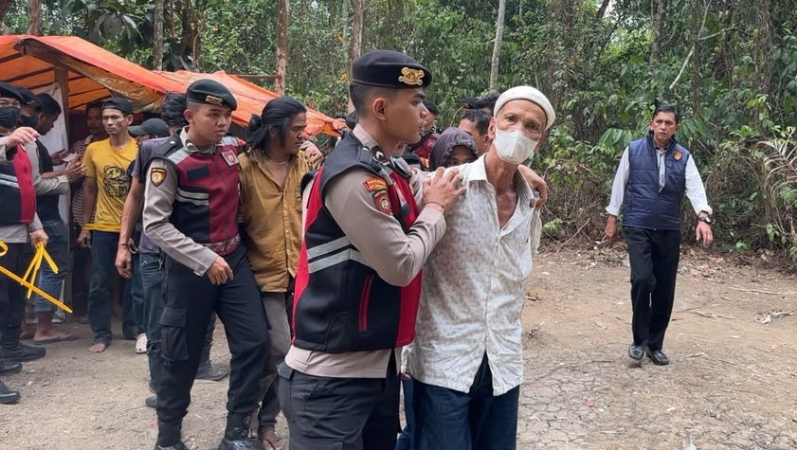
Before entering the operational area, officers attended a briefing led by Police Commissioner Dastu Gustiawan, acting head of operational coordination at Jambi Police's Narcotics Investigation Directorate.The team then inspected several locations in a plantation area around RT 22, Legok urban village, Danau Sipin subdistrict, Jambi City. The sites had previously been identified as possible locations for drug abuse.
Officers found that several suspected meeting points or bases associated with drug activity had already been damaged or cleared during earlier security operations. No activity was detected at those locations during the latest inspections.The checks aim to prevent previously identified hotspots from being used for drug-related activities again. Police are therefore combining targeted operations with regular patrols to maintain surveillance beyond individual enforcement actions.
Residents welcomed the police measures and expressed support for law enforcement. They also reported a decline in drug trafficking in their neighbourhood since the intensified operations had been carried out regularly.
Community cooperation is an important part of efforts to tackle illegal drug trafficking in residential areas. Information from residents can help officers identify vulnerable locations, monitor changes on the ground and follow up on suspected offences.Tuesday's operation concluded with a final briefing at the Black Square of Jambi Provincial Police Headquarters. The operation was completed safely and in an orderly manner, without disruption.
"Combating drugs requires a shared commitment. Jambi Police will continue to intensify enforcement, patrols and engagement with the public. We also urge all sections of society to actively provide information whenever they become aware of suspected drug abuse or trafficking in their communities," Erlan Munaji said.
He added that public participation was crucial to creating a safer environment and protecting people from the dangers of drugs. Residents were therefore encouraged to report suspicious activities promptly through the police's official complaint and reporting channels."Jambi Police urge the public not to engage in drug abuse or trafficking and not to commit unlawful acts. Let us work together to protect our communities and safeguard the younger generation from the dangers of drugs," the public relations chief said.
Jambi Police reaffirmed that intensified routine operations would continue as part of broader efforts to maintain public safety and order and to curb drug abuse and illegal trafficking over the long term.By combining law enforcement, patrols, inspections of vulnerable locations and engagement with residents, police aim to reach high-risk areas more effectively and strengthen community involvement in protecting young people from drug-related harm. (IDNC)
REPORTER: Dalil Harahap | EDITOR: Fik Sagala