Wednesday, 16 September 2026
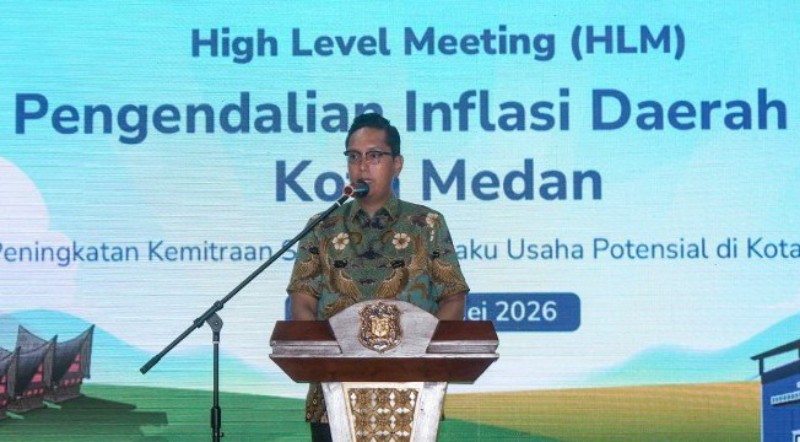
MEDAN | INDATANEWS.COM – Medan Mayor Rico Waas has emphasized that the planned establishment of 255 Nutrition Fulfillment Service Units (Satuan Pelayanan Pemenuhan Gizi/SPPG) across the city is expected to become a key driver in improving child nutrition while simultaneously strengthening the local economy.
He made the statement during the High-Level Meeting (HLM) of the Regional Inflation Control Team (TPID), which also discussed partnerships between SPPG units and potential economic stakeholders in Medan. The event was held on Friday, May 29, 2026, at the PKK Building in Medan.SPPG as a Driver of Nutrition and Local Economic Ecosystem
Rico Waas explained that the Free Nutritious Meals (Makan Bergizi Gratis/MBG) program is designed not only to improve the nutritional intake of schoolchildren but also to build a sustainable local economic ecosystem involving micro, small, and medium enterprises (MSMEs) around the SPPG operations."We want our children to be healthy and receive standardized nutrition. But we must also remember that behind this nutrition service there is a kitchen, and these kitchens source their supplies from local businesses. This is where we build our local economic system," he said.
The program targets approximately 700,000 children across 21 districts in Medan. The city administration plans to establish a total of 255 SPPG units, with 235 already operational."In Medan, 255 SPPG units are planned to serve around 700,000 children. Alhamdulillah, 235 units are already active," Rico added.
Job Creation and Community EmpowermentRico also highlighted the program's economic impact, particularly its potential to generate new employment opportunities for local residents, especially those in lower-income groups (deciles 1 and 2).
Each SPPG unit is expected to create around 47 to 50 jobs, opening new income sources for surrounding communities."We hope that people living near the kitchens will be prioritized for employment. Those who were previously unemployed can now earn a stable income," he said in front of hundreds of SPPG managers and business stakeholders.
He further urged SPPG operators to prioritize local suppliers, including small traders, farmers, urban farming communities, and small-scale artisans."The weekly food demand for this program is significant. Rice alone reaches 183 tons per week, chicken meat 21 tons, alongside high demand for tofu and tempeh. I want small traders to have access to this market," he explained.
Inflation Risks and the Need for Strong SOPsDespite the program's positive economic impact, Rico warned of potential inflationary pressures caused by increased food demand. He called for stronger coordination with Bank Indonesia and the National Nutrition Agency.
He also stressed the importance of establishing strict Standard Operating Procedures (SOPs) across the supply chain to maintain price stability."Anyone who wants to see Indonesia's future must look at our children. If we provide them with nutrition, education, and the best opportunities, the nation will grow stronger. If small entrepreneurs earn income and children are healthy, our economy will remain stable," he concluded.
The meeting was attended by, among others, Deputy Head of Bank Indonesia North Sumatra Didit Widiana and Director of Social Participation of the National Nutrition Agency Tengku Syahdana. (IDNC)REPORTER: Teguh Panjaitan | EDITOR: Fik Sagala





 /home/u7391150/public_html/indatanews.com/theme/function.php on line 28