Saturday, 24 October 2026
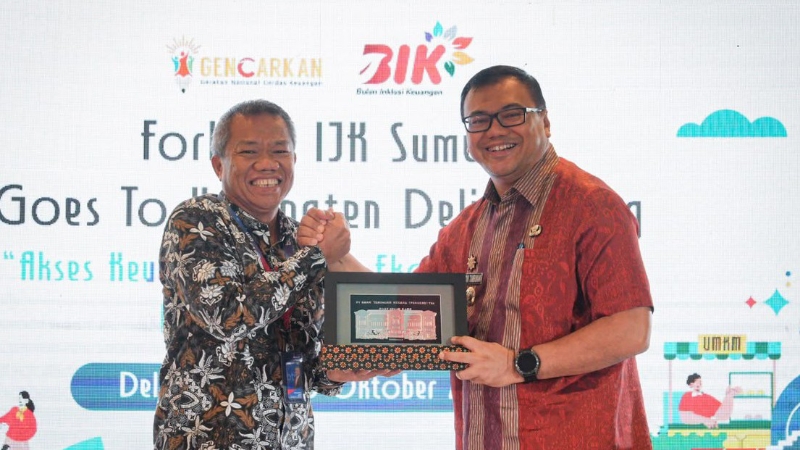
DELI SERDANG | INDATANEWS.COM - The Regent of Deli Serdang, Asri Ludin Tambunan, has urged students to improve their financial literacy so they can use digital financial services responsibly, manage their money wisely and plan for their future. He also encouraged them to share their knowledge with their families and communities in their home villages.
He made the appeal on Friday, 16 October 2026, while attending the Forum Komunikasi Industri Jasa Keuangan Goes to Deli Serdang at the Medistra Institute of Health Sciences in Lubuk Pakam. The event forms part of wider efforts to improve public understanding of formal financial products and services, particularly among young people.
Asri Ludin said students had an important role to play in spreading financial knowledge at a time when technological advances were making transactions increasingly accessible through digital applications. However, he stressed that access to these tools needed to be accompanied by sufficient knowledge to support informed financial decisions.
"Students today live in a digital age in which various applications allow them to manage their finances. They therefore need to understand how to use financial services properly, manage their money responsibly and prepare for their future," he said.
Asri Ludin stressed that financial education should extend beyond universities and reach families and communities in rural areas. Students, he said, could act as a bridge between educational institutions and the wider public by sharing practical knowledge about managing money.
He described financial management skills as an important factor in maintaining household economic stability. With a better understanding of financial services, people could plan their finances more effectively, choose products suited to their needs and assess potential risks before making decisions.
Improved financial literacy could also support regional economic development. People who understand financial products and services are better placed to use formal financial facilities to meet everyday needs and support productive economic activities.
The 2026 National Survey of Financial Literacy and Inclusion (Survei Nasional Literasi dan Inklusi Keuangan, SNLIK), conducted by Indonesia's Financial Services Authority (Otoritas Jasa Keuangan, OJK), Statistics Indonesia (Badan Pusat Statistik) and the Indonesia Deposit Insurance Corporation (Lembaga Penjamin Simpanan), recorded a national financial inclusion rate of 93.61 per cent.
In North Sumatra, known locally as Sumatera Utara, financial inclusion stood at 92.01 per cent, while financial literacy reached 71.57 per cent. The province's literacy rate was therefore above the national figure of 69.57 per cent.
Despite this progress, the figures underline the need for continued public education. Having access to financial services does not necessarily mean people fully understand how the products work, what they cost or what risks they carry. This distinction is particularly important as digital financial services continue to expand.
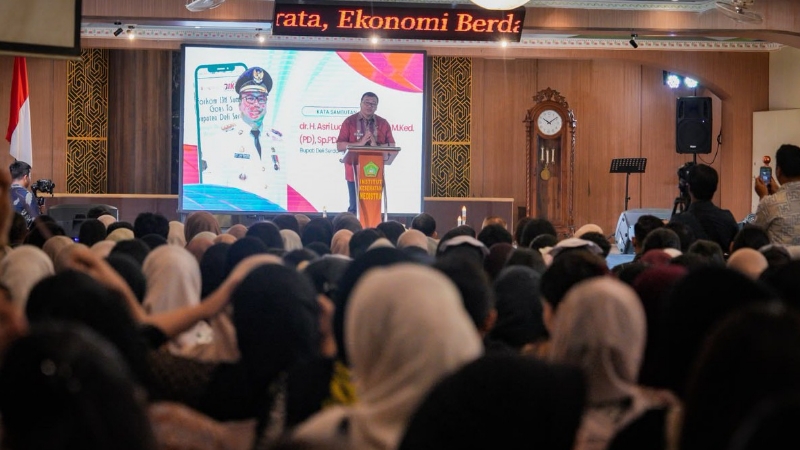
Asri Ludin also said the Deli Serdang Regency Government was ready to support wider access to Islamic financial services. He called for closer cooperation between the regional administration, the OJK and the financial services industry to make these products better known and more accessible to the public.
He said sustained public information campaigns could help people understand the features, benefits and range of Islamic financial services available to them. This would enable consumers to make informed choices based on their individual needs.
"Financial inclusion in Islamic financial services will be one of our priorities going forward. The Deli Serdang Regency Government is ready to work with the OJK to support information and education initiatives so that these services are used more widely and more people can benefit from them," he said.
The regional administration's involvement is expected to extend financial education to a wider range of communities. Information campaigns should explain not only the products available but also their terms and conditions, fees and potential risks.
Asri Ludin also called on higher education institutions to strengthen their cooperation with the Deli Serdang Regency Government through programmes that benefit university communities. He cited the Gerakan Deli Serdang Mengaji (GDSM), an initiative aimed at strengthening religious values within the higher education environment.
Through such partnerships, the regional administration hopes universities will serve not only as centres of formal education but also as strategic partners in developing human resources and supporting regional progress.
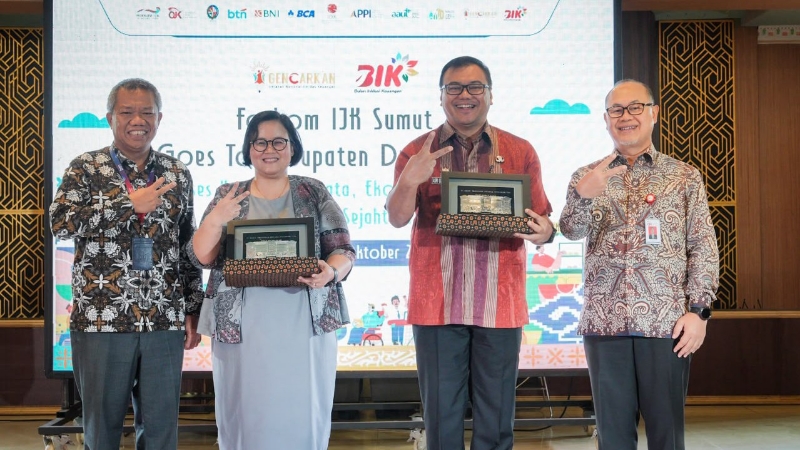
Triyoga Laksito, head of the OJK representative office in North Sumatra, said the Forum Komunikasi Industri Jasa Keuangan Goes to Deli Serdang was part of efforts to intensify financial education during Financial Inclusion Month (Bulan Inklusi Keuangan, BIK). The initiative aims to widen access to formal financial services while improving public understanding of available products and facilities.
He said financial education for students could encourage more systematic financial planning and help young people select products that matched their needs and financial circumstances, rather than following trends or relying solely on the convenience of digital applications.
"Through this financial education initiative, we hope students and the wider public will gain a better understanding of the various financial products and services available and be encouraged to use them according to their needs and financial plans," he said.
The 2026 SNLIK findings provide an important basis for further efforts to improve financial literacy and inclusion. Expanding access to financial services must go hand in hand with ensuring that people know how to use them safely and responsibly.
For students, this knowledge can provide a valuable foundation for managing economic challenges and helping their families and communities make better financial decisions. Universities, regional administrations, the OJK and the financial services industry all have an important role in ensuring that financial education remains accessible and reaches people across society.
The forum was also attended by the Medistra Institute of Health Sciences' deputy rector for Academic and Administrative Affairs II, representatives of regional government agencies, speakers from the banking sector and students. The participation of these stakeholders highlighted the importance of joint efforts to improve public understanding of financial services and encourage their responsible use in line with individual needs. (IDNC)
REPORTER: Edi Saputra | EDITOR: Fik Sagala