Saturday, 19 September 2026
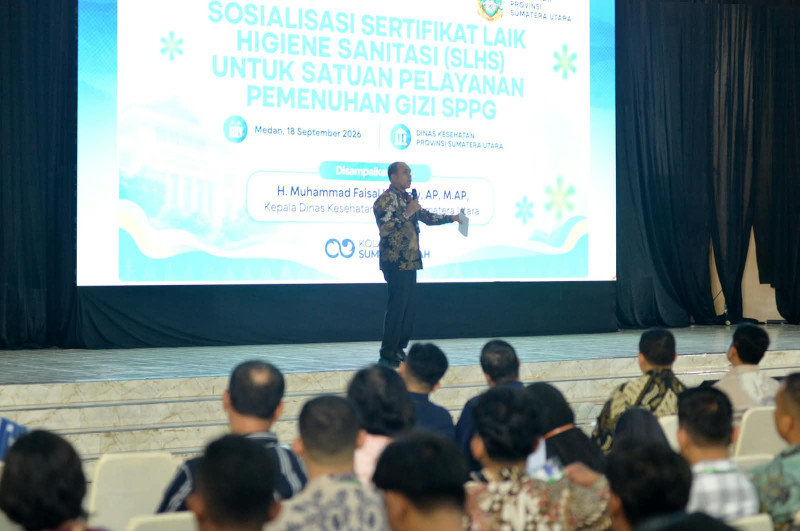
MEDAN | INDATANEWS.COM - The Regional Inflation Control Team (TPID) of North Sumatra Province is pushing for better management of Nutrition Fulfillment Service Units (SPPG), which operate the Nutrition Kitchens under the Free Nutritious Meals (MBG) Program. Improving management is considered an important step toward maintaining food price stability while ensuring that people receive meals with guaranteed quality, safety, and nutritional value.
Alfi Syahriza, Expert Adviser for Education, Health, Infrastructure, and Community Empowerment at the North Sumatra Provincial Government, said operating an SPPG kitchen requires careful planning and consistent implementation of standards. According to him, operators must consider the entire process, from menu preparation, selection of raw material sources and procurement, to storage, processing, and distribution of meals to recipients."Good kitchen management—from menu planning and determining raw material sources to a well-organized distribution plan—determines how the need for food raw materials can be met and how consistently food safety and nutritional standards can be maintained at every distribution point," Alfi Syahriza said Friday, September 18, 2026, at an event on improving SPPG management to ensure the quality of the MBG Program and food price stability in North Sumatra in 2026, held at the Medan Hajj Dormitory.
He explained that good management could help SPPGs use food resources more efficiently. At the same time, structured management could help ensure that every kitchen consistently complies with food safety and nutritional quality standards.According to Alfi, involving farmers, livestock breeders, fishermen, small and medium-sized enterprises, and local food businesses in the MBG supply chain is an important step. In addition to helping meet the SPPGs' raw material needs, their involvement can help extend the economic benefits of the program to communities at the grassroots level.
"In this way, the benefits of the MBG Program will not only be felt in meeting nutritional needs, but can also stimulate the regional economy," Alfi said.Strengthening local supply chains can also create a closer connection between consumer demand and regional food production. Therefore, SPPG operators need to consider the availability of local food when preparing menus and planning raw material requirements.
This approach can also help maintain a balance between demand and supply. When demand for certain food commodities increases, coordination with local producers becomes essential so that higher demand does not disrupt the availability of goods or threaten price stability.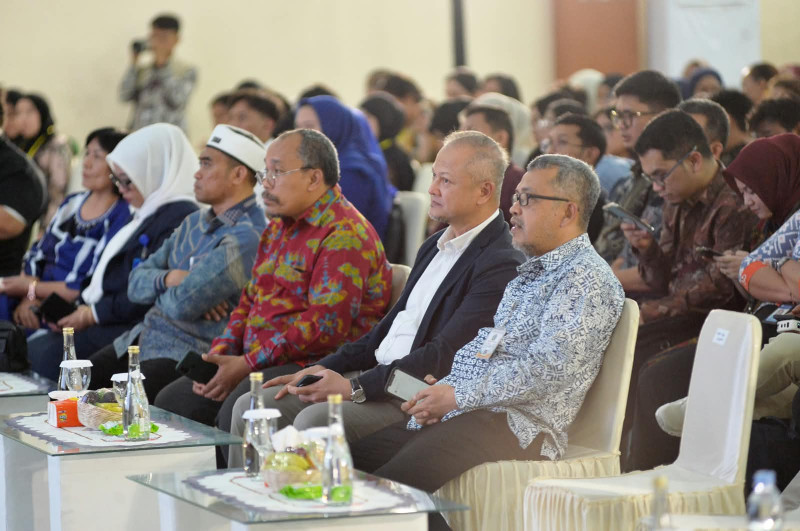
In addition to management and supply chain issues, Alfi underscored the importance of quality and food safety in implementing the MBG Program. He said the Hygiene and Sanitation Certificate (SLHS) should not merely be regarded as a document fulfilling administrative requirements.
According to him, SPPG operators must make hygiene and sanitation principles an integral part of their daily work culture. The standards must be applied from the selection of food raw materials through to the delivery of meals to recipients.Alfi explained that operators must pay attention to food quality, storage conditions, processing procedures, equipment cleanliness, kitchen sanitation, and distribution mechanisms. Each stage of the process plays a role in ensuring meal safety and compliance with established standards.
"Quality must be ensured from the beginning of the process and should not only be checked when the meals are already ready to be served," he said.He also reminded SPPG operators to carry out their duties with discipline and care. In his view, food preparation under the MBG Program concerns the needs of the public and therefore requires responsibility and integrity at every stage.
"Carry out this mandate with discipline, care, integrity, and wholeheartedly. Every meal we prepare is a meal for our own family," Alfi urged SPPG operators.Alfi added that the government needs cooperation among various stakeholders to ensure the sustainable implementation of the MBG Program. District and city administrations, the health and education sectors, businesses, universities, and academics must contribute according to their respective responsibilities and expertise.
He again called for greater use of local food products and the involvement of farmers, livestock breeders, fishermen, and small and medium-sized enterprises as part of the SPPG supply chain. He said this approach could strengthen the connection between the nutrition program and the regional economy.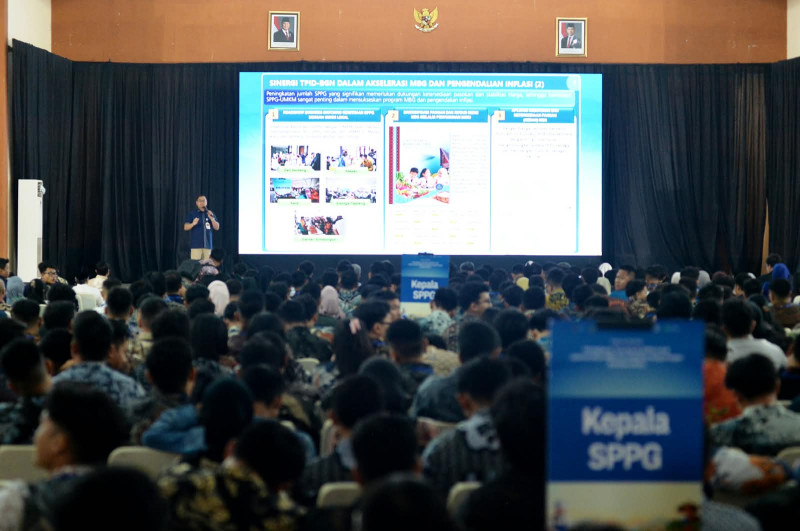
Meanwhile, Iman Gunadi, Deputy Head of the Bank Indonesia Representative Office in North Sumatra Province, said the implementation of the MBG Program has a strategic role in improving the quality of human resources by meeting nutritional needs.
However, he warned that a program with such substantial food requirements requires careful supply management. Rising food demand must remain balanced with production capacity and available supplies to prevent additional pressure on price stability."The large food demand generated by this program can serve as an economic driver that connects consumption needs with the potential of local production. However, rising demand must be carefully managed so that the balance between food supply and prices does not come under pressure," Iman Gunadi said.
Iman explained that better management and stronger supply chains are among the key factors in optimizing the economic impact of the MBG Program. With proper demand planning, local food businesses can better adjust their production to meet SPPG requirements.He also identified menu diversification as a potential strategy for managing food demand. Using a variety of local raw materials allows SPPG operators to adapt menus to regional food availability while also encouraging greater diversity in food consumption.
According to Iman, the use of local food, menu diversification, and improvements in management and supply chains must go hand in hand. This approach is important to ensure that the MBG Program not only meets people's nutritional needs but also supports price stability and food security in North Sumatra.Through coordination among the government, SPPGs, food businesses, local producers, and other stakeholders, raw material requirements for the MBG Program can be planned and managed more effectively. Such cooperation is an important component in maintaining meal quality while ensuring that growing food demand remains aligned with the region's production capacity. (IDNC)
REPORTER: Ahmad Zulfikar | EDITOR: Fik Sagala





 /home/u7391150/public_html/indatanews.com/theme/function.php on line 28