

Thursday, 30 July 2026
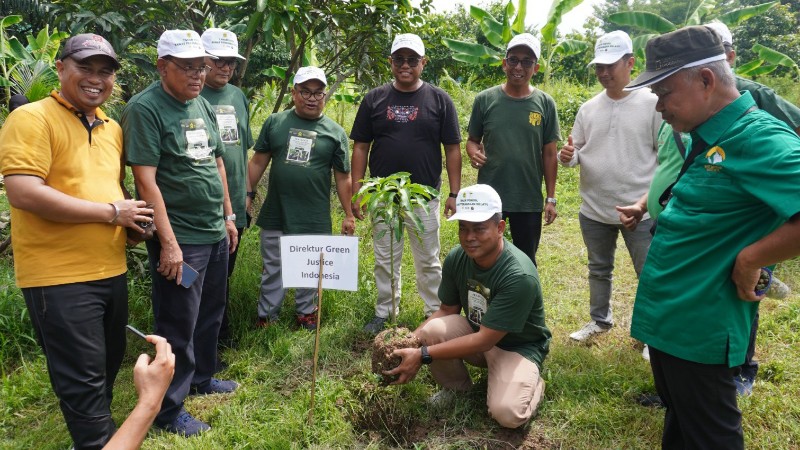
MEDAN | INDATANEWS.COM – Marking World Environment Day on June 6, 2026, the City of Medan launched a major environmental restoration initiative by planting 1,000 trees representing Malay cultural heritage along the banks of the Deli River.
The tree-planting campaign took place in the urban forest area on Jalan Eka Sama, Gedung Johor Subdistrict, Medan Johor District. Carrying the theme "Reviving the Deli River, Strengthening a Sustainable Malay Civilization," the program was organized by the North Sumatra Regional Board of the Indonesian Malay Scholars Association (PW ISMI Sumut) in collaboration with Green Justice Indonesia (GJI), with support from local communities and environmental groups.The initiative aims to expand green spaces, restore the river ecosystem, and raise public awareness about environmental conservation and climate resilience.
Chairman of PW ISMI Sumut, Prof. Dr. Nispul Khoiri, described the tree-planting program as a tangible response to the growing environmental challenges facing the region, including water pollution, biodiversity loss, and increasing flood risks.
According to Khoiri, traditional Malay tree species such as breadfruit, matoa, and rambutan were selected for the project. Beyond their ecological benefits, these trees also symbolize the cultural heritage of the Malay community.
"If this area is consistently revitalized, downstream parts of Medan can be better protected from flooding in the future," Khoiri said.He added that the reforestation effort will gradually be expanded toward the Marelan area. Continuous monitoring and maintenance programs will also be implemented to ensure the healthy growth of the newly planted trees.
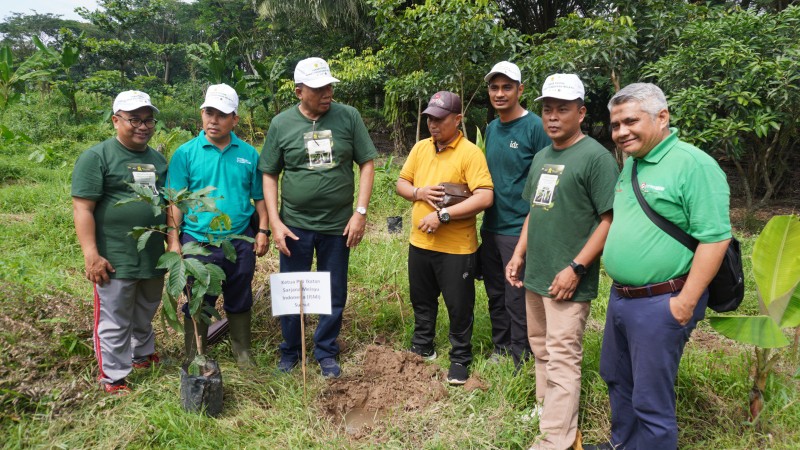
Green Justice Indonesia Director Panut Hadisiswoyo emphasized the importance of protecting the entire Deli River watershed, from upstream areas to the river mouth.
He explained that healthy river ecosystems can absorb large volumes of water during periods of heavy rainfall, significantly reducing the likelihood of flooding. At the same time, he highlighted the shortage of interconnected green spaces across Medan, noting that existing green areas remain fragmented and insufficient.
"Many urban disasters originate along river corridors. Through reforestation programs, we aim to strengthen the city's resilience against climate-related crises and flooding," Hadisiswoyo said.He stressed that urban greening is not merely an aesthetic endeavor but a critical strategy for adapting to the increasing impacts of climate change.
The event brought together environmental organizations, volunteers, and community groups, all of whom participated in planting tree seedlings along the Deli River. Educational activities were also conducted to increase public understanding of the river's importance as a vital natural resource and an integral component of the city's ecosystem.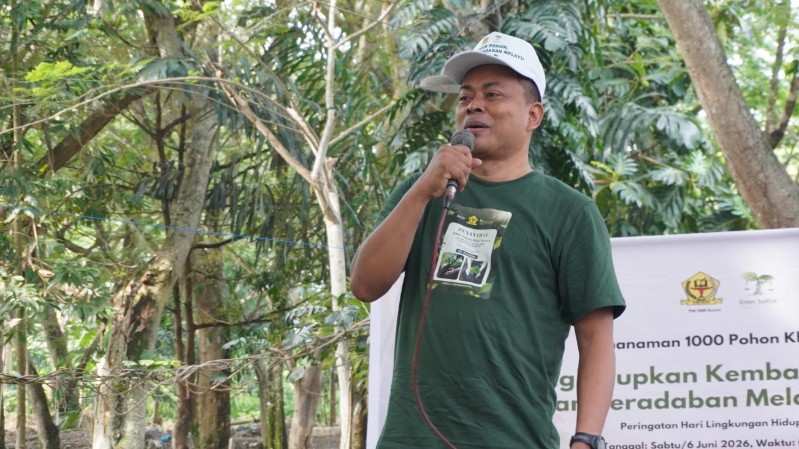
Environmental experts involved in the initiative highlighted the long-term ecological and social benefits of the project. Trees help improve soil water absorption, prevent erosion, and create habitats for diverse plant and animal species.
In addition, the planting of traditional Malay tree species strengthens regional cultural identity while encouraging greater public awareness of the close relationship between environmental sustainability and urban quality of life.
Prof. Khoiri believes the project could serve as a model for other regions in North Sumatra and major cities across Indonesia. He said the initiative has the potential to inspire broader and more sustainable urban greening programs.
Meanwhile, Hadisiswoyo emphasized that the long-term success of the project will depend on consistent maintenance and monitoring. He noted that support from local governments, the private sector, and residents will be essential to transforming the newly planted seedlings into a productive and sustainable urban forest.Through this collaborative effort, PW ISMI Sumut and Green Justice Indonesia are optimistic that the Deli River can recover ecologically and become a symbol of sustainable urban development in Medan. While the planting of 1,000 trees marks only the beginning, organizers believe it sends a powerful message about the importance of collective action in protecting the environment and addressing climate change. (IDNC)
REPORTER: Ahmad Zulfikar | EDITOR: Fik Sagala

 /home/u7391150/public_html/indatanews.com/theme/function.php on line 28