Friday, 18 September 2026
MEDAN | INDATANEWS.COM - The 436th anniversary of the City of Medan should serve as an opportunity to critically evaluate the quality of its political leadership and public administration. It should not merely be an annual ceremony filled with optimistic speeches, symbolic celebrations, and the presentation of supposed achievements. A city's age only becomes meaningful when it is accompanied by improvements in public services, better governance, and greater prosperity for its people. Without these benchmarks, any celebration loses its true significance because it overlooks the everyday challenges faced by citizens.
As the largest city on the island of Sumatra, Medan carries responsibilities that extend far beyond maintaining economic growth. Its status as a metropolitan city requires professional governance, efficient public services, a clean environment, well-planned urban development, and legal certainty that encourages investment and economic activity. A modern city is not measured by the number of infrastructure projects it completes, but by its ability to sustainably improve the quality of life of its residents.
To this day, many fundamental problems remain unresolved. Traffic congestion continues to disrupt public mobility, flooding regularly occurs during heavy rainfall, waste management remains insufficiently efficient, and public services still require significant improvement. This situation demonstrates that urban development has not yet been consistently directed toward solving public problems, but is often still driven by project-oriented priorities.
This paradigm must change. A successful government should not be judged by how much of its budget has been spent, how many projects have been inaugurated, or how much investment has increased. These indicators are merely instruments. The true measure of success is the tangible benefit delivered to the people. Newly built roads should reduce traffic congestion, drainage systems should minimize flood risks, investments should create employment opportunities, and the digitalization of public services should make daily life easier for citizens. Development policies lose their legitimacy when their outcomes fail to meet the needs of the public.
The mandate granted by citizens through local elections is a constitutional responsibility that must be fulfilled through concrete performance. The legitimacy of political leadership is not secured through image-building or carefully crafted success narratives, but through measurable and verifiable improvements. Citizens have the right to evaluate the extent to which political promises have been translated into effective policies that genuinely serve the public interest.
The role of the Medan City Council must also not be underestimated. Its oversight function should be exercised independently, professionally, and consistently to ensure that every decision made by the city administration remains committed to the public interest. Constructive cooperation with the executive branch must never become an excuse for avoiding necessary criticism of ineffective policies or the inefficient use of public funds.
The 436th anniversary of the City of Medan should remind us that good governance is built upon accountability, transparency, and the willingness to engage in critical self-evaluation. The people do not need more ceremonial celebrations—they need visible results. History will not remember the grandeur of anniversary festivities, but whether the political leadership succeeded in solving public problems, strengthening public trust, and leaving behind a city that is better managed, more competitive, more inclusive, and more livable. That is the true measure of successful governance—and the most valuable meaning of Medan's 436-year history. (IDNC)
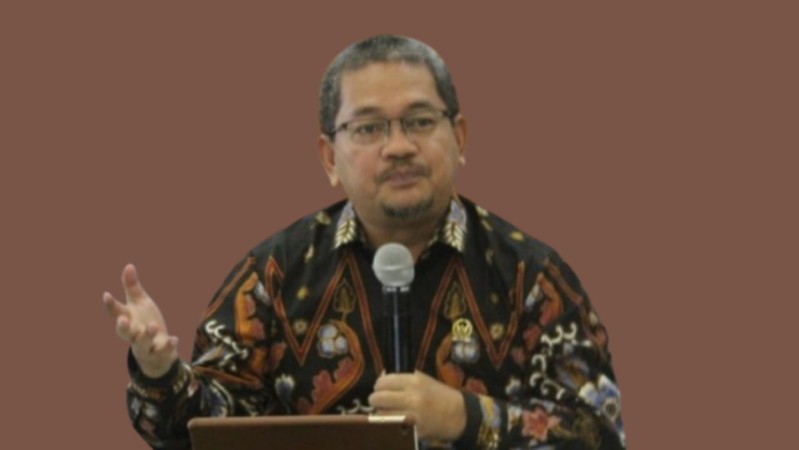
By: Dr. Farid Wajdi, S.H., M.Hum
The author is the founder of Ethics of Care and served as a Commissioner of the Indonesian Judicial Commission from 2015 to 2020.






 /home/u7391150/public_html/indatanews.com/theme/function.php on line 28