Wednesday, 16 September 2026
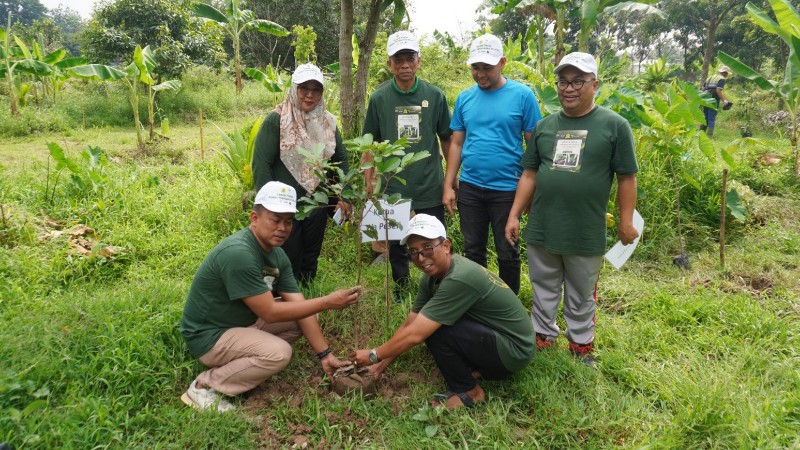
MEDAN | INDATANEWS.COM – Efforts to restore the Deli River in Medan, Indonesia, are increasingly moving beyond conventional tree-planting campaigns. A growing grassroots movement led by local communities is now taking center stage, strengthening environmental awareness, fostering social responsibility, and supporting the economic independence of riverside residents.
Several organizations, including Warga Peduli Sekitar (Wa Pesek), Komunitas Warga Kanal (KWK), and Bentangan Alam Hijau Indonesia (BAHIS), have emerged as key drivers of a cross-sector collaboration. Their shared mission is to restore the ecological function of the Deli River while rebuilding the community's connection to the river as a vital lifeline.According to the groups involved, the river must not only be ecologically rehabilitated but also reintegrated into the social consciousness of the urban community.
"What people here need is simple: attention and care—not only from the community but also from the government," he stated.
He emphasized that sustainable change can only be achieved through collective action. Without active participation from all stakeholders, river restoration efforts risk losing effectiveness over time.Muhammad Adlin also implements programs aimed at empowering women in local communities. Women are actively engaged in productive economic activities, particularly through the development of small and medium enterprises (SMEs), with the goal of strengthening household independence and expanding economic opportunities.
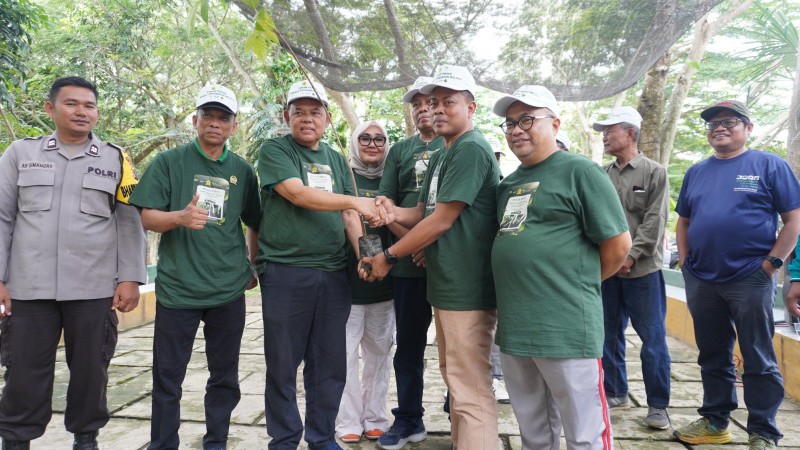
KWK views the preservation of the Deli River as a shared responsibility that requires active participation from residents, environmental organizations, and government institutions.
Siswanto also called for greater transparency from the relevant water management authorities, urging stronger public involvement in conservation and maintenance programs. He stressed that community participation should not be treated as supplementary, but as a core component of environmental strategy.These initiatives are also expected to strengthen community resilience against environmental disasters such as flooding, which are often worsened by ecological degradation in river areas.
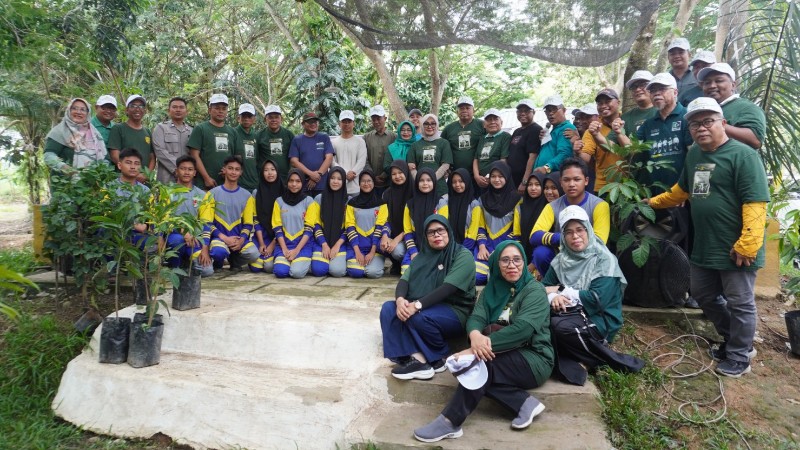
Beyond regulatory measures, active institutional support is needed to open spaces for collaboration and strengthen ongoing initiatives.
Program continuity remains a crucial factor to ensure that current efforts do not fade, but instead develop into sustainable, long-term environmental action.With growing civic engagement, there is renewed hope that the Deli River can once again become a clean, healthy, and livable environment for the people of Medan.
This movement reflects not only environmental restoration but also a growing awareness within urban society of nature conservation as part of daily life. (IDNC)REPORTER: Ahmad Zulfikar | EDITOR: Fik Sagala






 /home/u7391150/public_html/indatanews.com/theme/function.php on line 28