Saturday, 19 September 2026
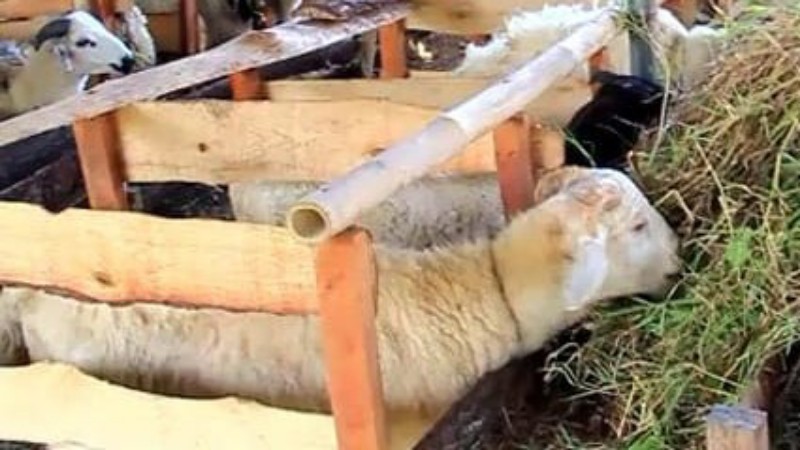
MEDAN | INDATANEWS.COM – The Provincial Government of North Sumatra, through its Agriculture and Food Office, has confirmed that the supply of sacrificial livestock ahead of Eid al-Adha 1447 Hijriah is secure. Distribution is being closely monitored, while animal health surveillance is routinely conducted across all regions.
Yusfahri Perangin-Angin, Secretary of the North Sumatra Agriculture and Food Office, stated that the province currently has a sufficient number of sacrificial animals to meet public demand during the upcoming Islamic holiday.
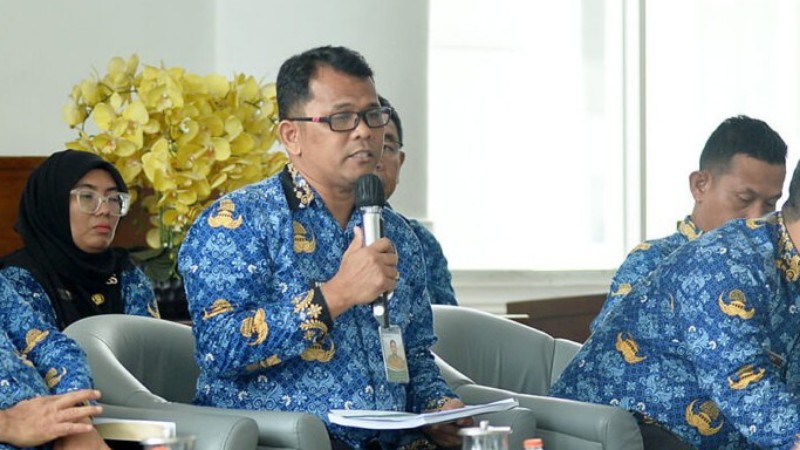
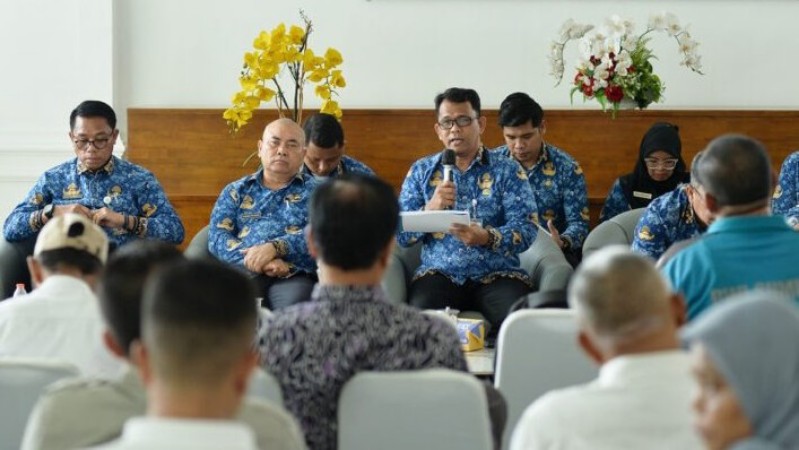
"The current livestock population stands at 748,000 heads, which is more than enough to meet the estimated demand of around 2,500 to 5,000 animals for Eid al-Adha," Yusfahri said during a press briefing held by the North Sumatra Communication and Information Service at the Dekranasda lobby, Governor's Office complex, on Wednesday, May 20, 2026.
Read Also:
North Sumatra Expands Role as Regional Supplier
Yusfahri also noted that North Sumatra not only fulfills its own local needs but also supplies sacrificial livestock to neighboring provinces, including West Sumatra and Riau.
This development reflects the growing strength of the region's livestock sector, which is now capable of supporting demand beyond provincial borders.
Read Also:
Presidential Support and Livestock Distribution Program
For this year's Eid al-Adha, the President of the Republic of Indonesia provided 34 cattle under a national assistance program. Of these, 33 were distributed to various city and regency governments, while one was allocated to the North Sumatra Provincial Government.
"The cattle weigh between 800 kilograms and up to one ton, and they are fully sourced from local farmers in North Sumatra," Yusfahri explained.
Subvention-Based Distribution Still Applied
Yusfahri further emphasized that local farmers have significantly increased their production of large livestock over the past two years. However, distribution remains uneven and continues to rely on a subsidy-based balancing system.
"For instance, regions such as Nias, Tapanuli, and Sibolga are supplied from Simalungun, Langkat, and Binjai," he said.
Strengthened Animal Health Monitoring Ahead of Eid
The provincial government has intensified animal health inspections to ensure all sacrificial livestock meet slaughtering standards. Animals must be healthy, disease-free, physically intact, and of appropriate age—at least two years for cattle and one year for goats.
"The slaughtering process is ideally handled by certified professionals, which is why we recommend the use of official slaughterhouses (RPH)," Yusfahri added.
Although traditional slaughtering in mosques or public spaces remains common, the Agriculture Office has issued guidelines to all districts and cities to improve standards.
"We will continue to strengthen health checks and slaughter monitoring to ensure that sacrificial animals are processed hygienically, cleanly, and in accordance with halal standards," he concluded. (IDNC)
REPORTER: Darmailawati | EDITOR: Fik Sagala





 /home/u7391150/public_html/indatanews.com/theme/function.php on line 28