Friday, 23 October 2026
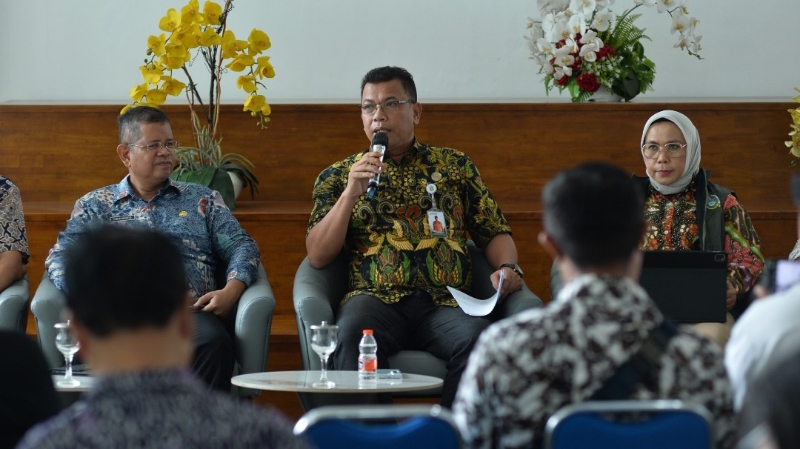
MEDAN | INDATANEWS.COM - The North Sumatra provincial government has implemented disaster preparedness measures in six high-risk areas throughout 2026. The measures are part of the government's efforts to reduce disaster risks and impacts, as well as potential casualties, across North Sumatra Province.
The six areas targeted by the preparedness program are Central Tapanuli Regency, Tanjungbalai City, Samosir Regency, Deli Serdang Regency, Mandailing Natal Regency and Toba Regency. In two of the six areas, Central Tapanuli and Tanjungbalai, the North Sumatra Regional Disaster Management Agency (BPBD) has already carried out disaster preparedness activities.
The head of the Prevention and Preparedness Division of the North Sumatra BPBD, Manutur P Naibaho, said the government was not focusing solely on disaster response after an incident had occurred. Instead, the BPBD was also working to ensure that residents could identify potential hazards in their surroundings and evacuate themselves to safety during emergencies.
Manutur made the statement following a press conference organized by the North Sumatra Provincial Communication and Informatics Office on Friday, September 4, 2026, in the lobby of the Dekranasda Building at the North Sumatra Governor's Office, Jalan Pangeran Diponegoro No. 30, Medan.
"We train them and show them how evacuation routes are established. The goal is to teach residents how to evacuate independently, understand the various disaster hazards and prepare for where they should evacuate in an emergency," he said.
The North Sumatra BPBD's disaster preparedness strategy directly involves local communities. The government considers residents' ability to identify hazards and take appropriate emergency measures an important component in reducing disaster risks.
Manutur explained that the BPBD first conducts spatial assessments and prepares maps of disaster-prone areas. The mapping takes into account various potential hazards, including floods, landslides and earthquakes. The BPBD team adjusts the mapping to the geographical conditions of each area so residents can better understand the specific hazards in their communities.
In addition to mapping, the BPBD conducts information and public awareness activities. These activities are designed to increase residents' knowledge and awareness of potential disasters while strengthening preparedness before a disaster occurs.
The public awareness efforts are followed by simulations and training. Residents are given opportunities to practice evacuating independently and learn, among other things, which evacuation routes should be used during emergencies. The BPBD also tests the use of Early Warning Systems so residents can respond quickly when warnings are issued.
The government is also promoting spatial planning that takes disaster risks into account. This policy is considered important to ensure that regional development does not overlook geographical conditions and potential hazards that could occur at any time.
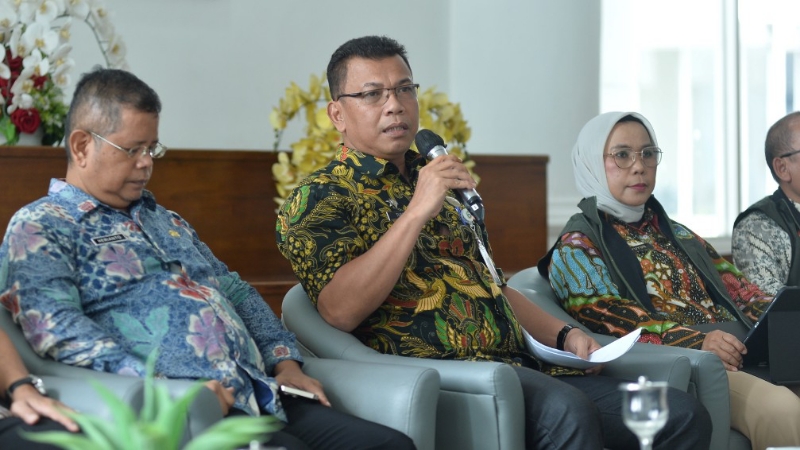
The head of the North Sumatra BPBD, Tuahta Ramajaya Saragih, said the province faces 14 different types of disaster events. According to BPBD data covering the period from January 1 to September 4, 2026, extreme weather events were the most common type of disaster recorded in the province.
During the period, the BPBD recorded 127 extreme weather events. Landslides ranked second with 86 incidents, followed by floods with 73 incidents and forest fires with 47 incidents.
The figures highlight the importance of preparedness among both residents and the government in dealing with various disaster hazards. The high number of extreme weather events also underscores the need for the government to strengthen prevention measures while ensuring that residents understand what steps to take in an emergency.
Tuahta said the preparedness program focuses on preparations before a disaster occurs. The BPBD divides its work into three key phases: preparedness, emergency response and post-disaster measures.
"The preparedness program concerns how we prepare for the occurrence of a disaster. The BPBD has three working phases, namely preparedness, emergency response and post-disaster measures," he said.
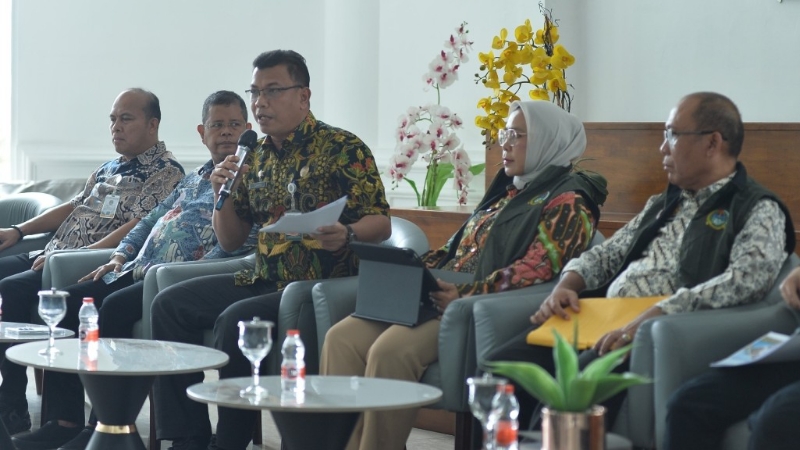
The North Sumatra BPBD also carries out pre-disaster preparedness efforts through communication, information and public awareness programs targeting students and the wider community. These educational activities are part of a strategy to establish a culture of disaster awareness from an early stage.
The BPBD not only provides knowledge through public information activities but also develops several strategic documents to serve as guidelines for responding to various disaster scenarios. These documents help the government identify risks and determine measures based on the specific hazards faced by each region.
"We are preparing a Disaster Risk Assessment (KRB), a Disaster Management Plan (RPB), as well as an Emergency and Contingency Plan (Renkon). The contingency plans for forest fires and earthquakes are already being implemented. We are currently preparing a contingency plan for floods," Tuahta said.
The preparation of a flood contingency plan is one of the BPBD's measures to strengthen preparedness for disasters that could occur in several areas of North Sumatra. The document is intended to provide guidance for the government and relevant agencies in managing emergency situations.
In addition to preparedness programs in disaster-prone areas, the North Sumatra BPBD also provides opportunities for public awareness activities at its own facilities. Organizations and community groups can use these facilities to learn about various evacuation procedures and improve their readiness for potential disasters.
Through these measures, the North Sumatra provincial government aims to strengthen community preparedness while reducing reliance on post-disaster response measures. Understanding potential hazards, evacuation routes, Early Warning Systems and emergency procedures is an important foundation for enabling residents to act quickly when a disaster occurs. (IDNC)
REPORTER: Ahmad Zulfikar | EDITOR: Fik Sagala