Tuesday, 24 November 2026
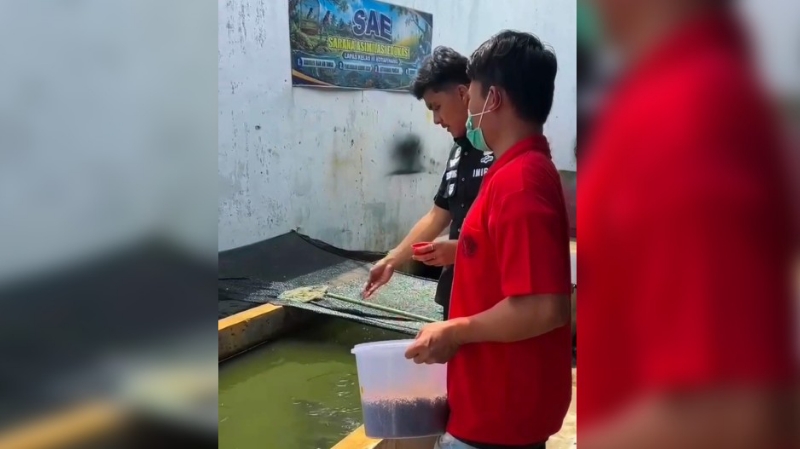
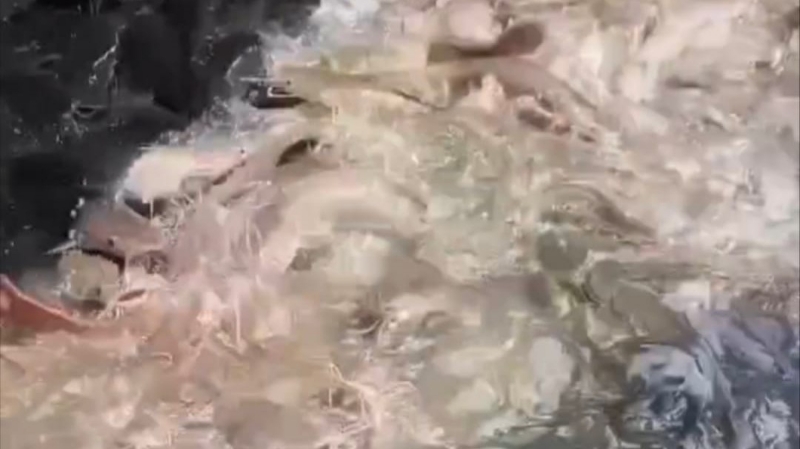
LABUHANBATU SELATAN | INDATANEWS.COM - Kota Pinang Class III Correctional Institution in Labuhanbatu Selatan, North Sumatra, is equipping inmates with practical catfish farming skills to help them build independent livelihoods after completing their sentences.
The self-reliance training programme took place on Monday, 23 November 2026. Through the initiative, the correctional institution aims to provide inmates with productive skills that they can use to develop economic opportunities and support themselves when they return to society.The programme reflects an approach to rehabilitation that goes beyond simply serving a prison sentence. It gives participants the opportunity to gain practical knowledge and experience that could help them rebuild their lives and establish more secure financial prospects after release.
The Head of Kota Pinang Class III Correctional Institution, Haris Damanik, S.H., M.H., stressed that inmate rehabilitation must deliver tangible benefits for their future. He said correctional programmes should not focus solely on the enforcement of sentences but should also encourage positive behavioural change, improve individual capabilities and prepare inmates for their return to society.The skills gained through the programme are expected to provide inmates with a foundation for productive business activities after their release. With the knowledge acquired during training, they may be able to establish their own catfish farming businesses or use the activity as an additional source of income to support themselves and their families.
In addition to learning the technical aspects of fish farming, participants are encouraged to understand the wider process of running a business. The programme aims to develop their appreciation of planning, perseverance, discipline and responsibility in managing productive activities.These qualities are essential to building an independent livelihood. Business skills involve more than simply producing goods. Commitment and consistency are equally important to ensure that an economic activity can grow and remain sustainable over time.
Through this approach, the catfish farming programme is intended to give inmates broader practical experience. They are not only acquiring technical knowledge but also gaining an opportunity to build confidence and develop an entrepreneurial mindset.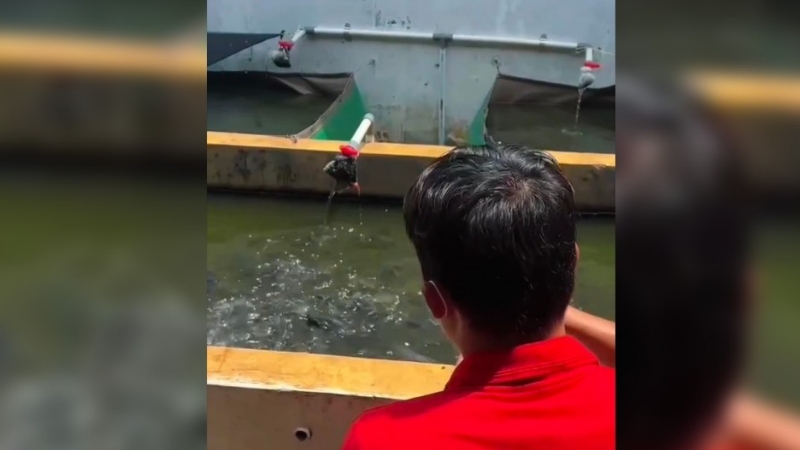
Providing productive skills is also part of a wider effort to address the challenges inmates may face when they return to their communities. Limited employment opportunities and difficulties rebuilding their financial circumstances are among the obstacles frequently encountered by former inmates.
These challenges can make it harder for them to establish a new life. Vocational programmes that provide practical abilities and business opportunities are therefore important in helping inmates prepare for their future after release.With their knowledge of catfish farming, participants are expected to have an additional economic option that they can develop according to their individual circumstances and resources. The skills could also serve as an initial investment in setting up a small business, creating an income stream and achieving greater financial independence.
Furthermore, the programme is intended to encourage former inmates to pursue positive and productive activities when they return to their communities. The opportunity to earn a lawful income through productive work can support their social reintegration and strengthen their determination to avoid further involvement in legal problems.For this reason, self-reliance training should not be measured solely by the results achieved while inmates are still in prison. It should also deliver long-term benefits by equipping participants with skills that are relevant to economic needs and business opportunities within their communities.
The success of rehabilitation cannot be measured solely by whether inmates complete their sentences in accordance with the law. It must also be assessed by their ability to improve themselves, develop new capabilities and prepare to return to society as productive members of their communities.
In this context, practical skills such as catfish farming can open up new opportunities. The knowledge acquired during the programme is intended to extend beyond the correctional institution and provide a practical foundation that inmates can apply and develop further after completing their sentences.Haris Damanik, S.H., M.H., Head of Kota Pinang Class III Correctional Institution, continues to promote rehabilitation programmes focused on improving inmates' skills and self-reliance. Through these initiatives, the institution aims to make the rehabilitation period an opportunity for personal improvement, skills development and preparation for a better future.
The initiative also highlights the broader role of correctional institutions beyond simply carrying out custodial sentences. Effective rehabilitation can give inmates a second chance, help them establish a sustainable livelihood and enable them to make a positive contribution to society after their release. (IDNC)REPORTER: Jhon Fitra Sagala | EDITOR: Fik Sagala