Friday, 23 October 2026

DELI SERDANG | INDATANEWS.COM - Sanggar Tamora 88 plays an important role in preserving and passing on Malay arts and culture in Deli Serdang Regency, North Sumatra, Indonesia. Through traditional dances and Gambus music, the cultural group provides a space for the community, particularly younger generations, to discover the region's cultural heritage and help pass it on to future generations.
Deli Serdang Deputy Regent Lom Lom Suwondo praised Sanggar Tamora 88 for its contribution to preserving Malay culture. He expressed his appreciation on Wednesday, 14 October 2026, during an event marking Cultural Year 2026, held in collaboration with the North Sumatra Cultural Heritage Preservation Office in Tanjung Morawa B Village, Tanjung Morawa District.According to Lom Lom, cultural groups play a vital role in safeguarding local cultural identity amid social change. Artistic activities serve not only as entertainment but also provide young people with opportunities to learn about traditional values that have developed within the community and continue to be upheld today.
"Sanggar Tamora 88 represents the artistic and cultural richness of Deli Serdang. We hope the younger generation will also get involved so that Malay culture remains alive and can be passed on to the next generation," he said.In his view, it is not enough simply to keep traditional artistic performances going. Society must also provide cultural practitioners with sufficient opportunities to pass their traditions on to younger generations. This can be achieved through educational programmes, performances and cultural activities that encourage direct public participation.
Young people's involvement is a decisive factor in ensuring the long-term preservation of Malay culture. By learning traditional dances, Gambus music and other forms of artistic expression, they can develop a deeper understanding of their region's cultural wealth and help transmit it to future generations.Cultural preservation can also support the development of regional tourism. Local art forms and traditions have the potential to attract visitors and create new opportunities for arts communities to showcase their work to wider audiences. Strengthening cultural groups and communities can therefore help safeguard regional identity while unlocking the potential of the creative economy.

Cultural custodians play a particularly important role because they possess knowledge, skills and experience passed down through generations. Supporting these individuals and arts communities can help ensure the continuity of traditions while introducing them to wider audiences.
In this regard, cultural groups provide an important meeting place for cultural practitioners and the public. Through regular rehearsals, performances and activities that teach traditional arts, they can help pass on inherited skills that might otherwise disappear if younger generations no longer engage with them.Government authorities and cultural heritage institutions also have a responsibility to strengthen this cultural environment. Support programmes, the documentation of traditions, the preservation of heritage sites and the organisation of artistic events can give more people opportunities to discover and appreciate their cultural heritage.
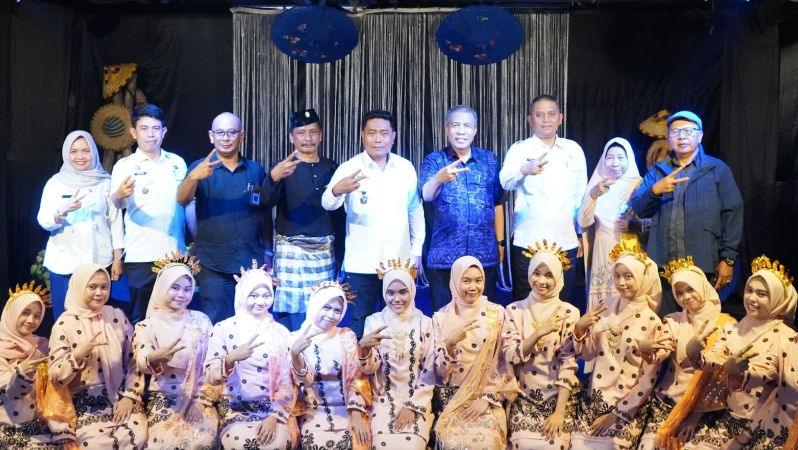
These activities gave the public opportunities to experience the richness of Indonesian traditions first-hand. Visits to cultural custodians helped bring their contributions to greater public attention, while artistic performances and cultural education initiatives helped introduce traditional culture to wider audiences.
At national level, the main events were held at Taman Mini Indonesia Indah, a cultural and recreational park in Jakarta. Meanwhile, the Cultural Year 2026 celebrations for North Sumatra Province were scheduled to take place on Thursday, 15 October 2026, at the Tjong A Fie House in Medan.Events held across different regions demonstrate the importance of public participation in preserving Indonesian culture. Cultural preservation requires sustained commitment and must not be limited to annual commemorations. Instead, practical activities must be developed to give young people opportunities to discover traditional arts, practise them and participate actively in cultural life.
Through the commitment of Sanggar Tamora 88, the support of the regional government and the involvement of the North Sumatra Cultural Heritage Preservation Office, Malay arts and culture in Deli Serdang are expected to continue developing. This collaboration forms part of broader efforts to keep Indonesia's cultural heritage alive, raise its international profile and pass it on to future generations. (IDNC)REPORTER: Edi Saputra | EDITOR: Fik Sagala