Friday, 23 October 2026
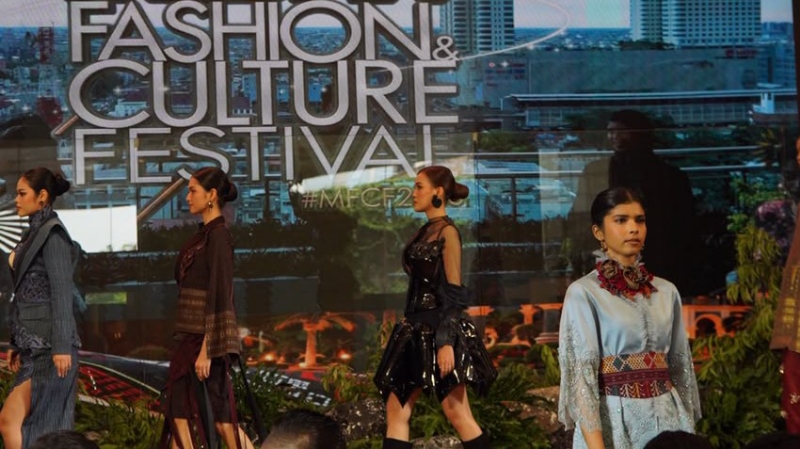
MEDAN | INDATANEWS.COM - Traditional Ulos cloth is increasingly offering opportunities to enter the modern fashion market while retaining its cultural identity as part of the Batak heritage. Through innovative designs, this traditional textile from North Sumatra can be transformed into clothing, bags and accessories for everyday use. This approach can also increase the economic value of products made by artisans and strengthen the competitiveness of small and medium-sized enterprises (SMEs).
These prospects were the focus of a press conference held ahead of the opening of the 2026 Medan Fashion & Culture Festival (MFCF), under the theme Ulos in Innovation. The event took place on Tuesday, 13 October 2026, in the main atrium of Sun Plaza Medan shopping centre. The festival runs from 13 to 18 October 2026 and features a varied programme of panel discussions, fashion shows, competitions for national and local designers, and artistic performances.Held to mark Ulos Day, the festival provides a platform for bringing cultural heritage to modern audiences through creative designs. As well as raising public awareness of Ulos, the event gives designers, artisans and SMEs opportunities to strengthen their collaboration and reach new customer groups.
Airin Rico Waas, Chairwoman of the Medan City Regional Council of Crafts (Dekranasda), said people did not need to wait for traditional ceremonies to wear Ulos. Through creative adaptation, the fabric could be used for a wider range of occasions without losing its cultural significance or distinctive characteristics."In the past, Ulos was often worn at formal occasions, weddings and traditional ceremonies. There are now many innovations. Ulos can be made into textiles suitable for everyday wear, without having to wait for a traditional celebration or ceremony," Airin said.
According to Airin, innovation is crucial to keeping Ulos relevant as the fashion industry evolves. Designers and artisans can develop the fabric into a variety of products, including outerwear, waistcoats, bags and accessories that combine traditional features with the needs of modern consumers.
This approach also creates opportunities to reach new market segments. While Ulos has traditionally been associated with ceremonies, weddings and formal occasions, products made from the fabric can now appeal to consumers looking for clothing and accessories for everyday use.At the press conference, Airin carried a bag made from Ulos fabric and genuine leather by Wira Bags, a local brand supported by the Medan City Regional Council of Crafts. The product demonstrates how artisans can combine traditional materials with contemporary design to create practical items with added cultural value.
Airin believes the Regional Council of Crafts has an important role to play in connecting artisans, SMEs and designers so that they can work together to develop their products. This collaboration is intended to increase the range of products made from traditional local textiles, making them more competitive and better able to adapt to changing market demands."The Regional Council of Crafts plays an important role in connecting artisans, SMEs, designers and Ulos weavers so that their products can continue to develop. I want traditional textiles and Ulos products to become fashionable and, as a result, play a greater role in people's everyday lives," she said.
SME participation in MFCF 2026 also gives businesses an opportunity to present their products directly to the public. Through the festival, they can increase brand awareness, gauge interest from potential customers and explore new marketing opportunities.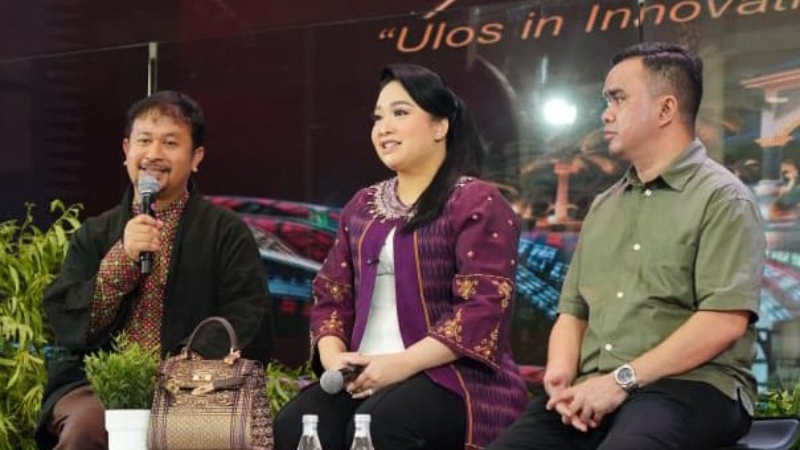
Designer Torang Sitorus said the theme Ulos in Innovation represented an effort to develop traditional textiles into fashion products suitable for different occasions. The transformation was not solely about increasing economic value, but also about preserving Ulos as an expression of Batak cultural identity.
According to Torang, collaboration between designers and weavers is essential to creating contemporary designs that respect tradition. The process involves more than simply changing the fabric's appearance. It must also preserve the distinctive qualities that set Ulos apart from other materials used in the fashion industry.Torang said MFCF was being held again after a break of several years. Collaboration with the Medan City Regional Council of Crafts was an important step towards reviving the event while strengthening the wider ecosystem of the culture-driven fashion industry.
The festival also gives local designers opportunities to exchange experiences with representatives of Indonesia's national fashion industry. These encounters are intended to help improve the quality of their work, expand professional networks and deepen their understanding of developments in an industry that is constantly changing."We want to bring designers from Medan together with speakers and designers from other parts of Indonesia so that they can exchange experiences. We hope designers from Medan will establish themselves nationally and even internationally," Torang said.
One of the festival's highlights will be appearances by established designer Edward Hutabarat, alongside contributions from speakers based in Jakarta. In addition to fashion shows, the programme includes discussions on Ulos and its development within the modern fashion industry.The programme is designed to bring together creative professionals from diverse backgrounds while reinforcing the importance of Ulos as a source of inspiration for new design concepts. For local designers, exchanging ideas with national industry experts offers an opportunity to gain fresh insights into material processing, product development and strategies for reaching wider markets.
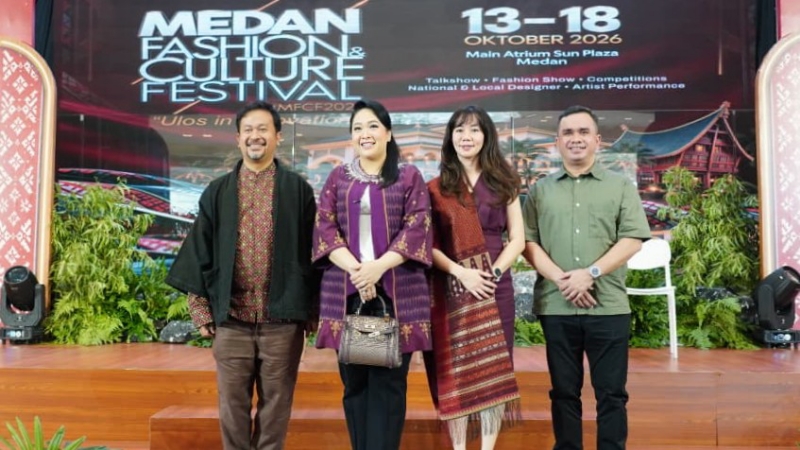
In his view, collaboration between designers, artisans, raw material suppliers and SMEs could create an economic network in which the participants support one another. Such connections would allow each partner to contribute to different stages of product development, from supplying materials to marketing finished goods to consumers.
To expand market reach, products made by designers and SMEs are also expected to be sold through outlets operated by the Regional Council of Crafts at the Public Service Mall (Mal Pelayanan Publik, MPP) and at Mustika Deli shopping centre. This initiative could help ensure that products showcased during the festival continue to reach potential buyers after the event has ended.Sustainable marketing is essential to ensuring that the festival's impact extends beyond short-term promotional benefits. Improved distribution channels would enable businesses to build long-term customer relationships, increase awareness of their flagship products and gradually expand their operations.
In a fashion market that is becoming increasingly receptive to products with a strong cultural identity, Ulos offers an opportunity to bring together tradition, creativity and practical use. However, reaching new markets requires consistent product quality, designs that respond to consumer needs and marketing strategies capable of reaching customers beyond the region.MFCF 2026 aims to develop Ulos as a living cultural heritage that continues to meet the demands of modern life. Innovation offers artisans and SMEs opportunities to increase the value of their products, while collaboration with designers creates scope for developing collections that appeal to a wider audience.
These efforts demonstrate that preserving cultural traditions can go hand in hand with strengthening the creative economy. Through continued product development and sustainable marketing, Ulos has the potential to reach national and international markets without losing its cultural roots. (IDNC)REPORTER: Teguh Panjaitan | EDITOR: Fik Sagala