Friday, 23 October 2026

DELI SERDANG | INDATANEWS.COM - The Deli Serdang Regency Government, together with the Sumatera II River Basin Management Agency (Balai Besar Wilayah Sungai, BBWS) in Medan and the Deli Serdang Community Empowerment Organisation (LPM), is discussing plans to use land around the Lau Simeme Dam for reforestation, tree planting and community empowerment initiatives. All three parties are placing particular emphasis on technical assessments, legal certainty and environmental protection. The proposed activities must neither compromise the dam's function nor trigger social conflicts.
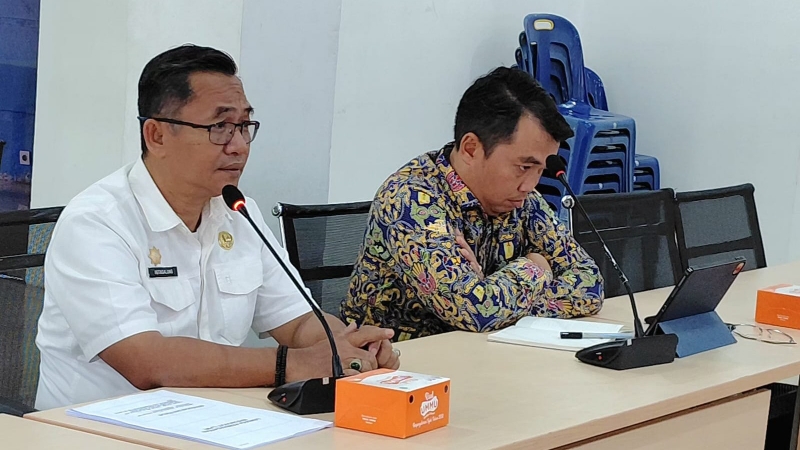
The discussions took place on Wednesday, 21 October 2026, in the Lau Simeme meeting room at the BBWS office in Medan. Zainal Abidin Hutagalung, Assistant for Government Affairs and Public Welfare at the Deli Serdang Regency Secretariat, attended the meeting as a representative of the regency government. The discussions focused on the division of responsibilities, legal requirements governing land use and the procedures for implementing the proposed activities.The initiative offers local residents an opportunity to participate in greening the area around the dam while developing community-oriented activities to strengthen local communities. Before implementation can begin, however, the parties must ensure that every form of land use complies with the designated purpose of the area, the findings of technical assessments and applicable regulations.
Zainal stressed that applicants must consider the authorities responsible for managing the area, applicable legislation and the findings of technical assessments before commencing any activities. He pointed out that Lau Simeme Dam forms part of a national strategic project. All parties must therefore safeguard both the functionality of the infrastructure and the surrounding environment.
"We must not allow this positive initiative to end up creating new problems, particularly in locations developed as part of national strategic projects. We do not want it to give rise to additional social conflicts," he emphasised.According to Zainal, the positive intention of greening the area and strengthening community participation requires careful planning. Without coordination and a clear division of responsibilities, activities intended to deliver benefits could instead create new difficulties for local communities.
He therefore called on LPM Deli Serdang to coordinate with community empowerment organisations and the relevant village administrations. This coordination is necessary to align the proposed activities, clearly define the responsibilities of each party and prevent overlapping authority over land use.The Deli Serdang Regency Government is also committed to ensuring that all parties communicate with one another from the planning stage. This would help residents better understand the limits of permitted land use and identify which activities could actually be implemented in accordance with applicable regulations.
"The technical aspects must continue to be examined. These include determining which areas can be used, assessing the condition of the land and identifying suitable plant species. Whether economically productive crops or timber-producing trees are considered, every decision must take account of protecting the ecosystem around the dam," he explained.
Selecting suitable plant species is an important part of the planning process. The parties must assess whether the proposed plants are compatible with local soil conditions and the intended function of the area. This is intended to prevent greening activities from having adverse environmental effects.Both plants with economic value and timber-producing trees may be considered during the planning process. However, the final selection must be based on assessment findings and the technical requirements governing the management of the dam. Economic potential alone must not determine which plants are selected.
This approach is intended to align reforestation objectives with environmental protection. At the same time, it would give local residents opportunities to participate in activities that reflect local conditions and comply with the requirements set by the relevant authorities.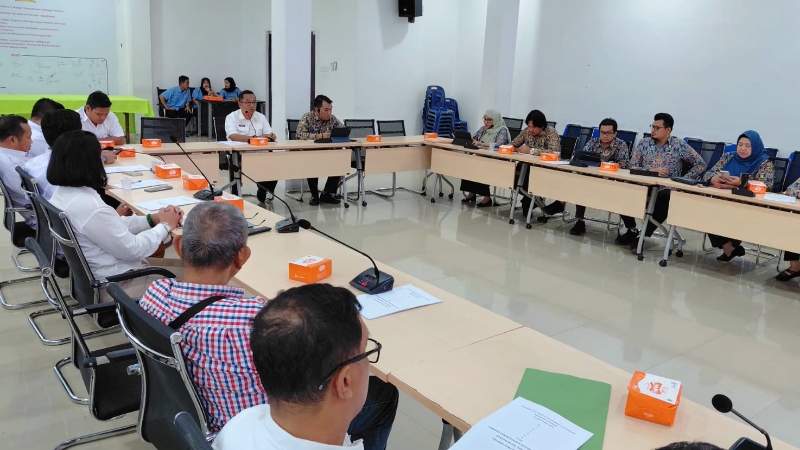
Irfan Fadli, Secretary of LPM Deli Serdang, explained that his organisation had already submitted an application to BBWS Sumatera II Medan seeking permission to use land around Lau Simeme Dam. The proposal includes tree planting and other activities aimed at supporting and empowering the local community.
The application represents an initial step towards exploring opportunities for cooperation in greening the area and increasing community participation. Implementation, however, remains dependent on assessments of the land's legal status, its designated use and the suitability of the areas covered by the application.Maruli Simatupang, head of the non-vertical specific technical implementation unit responsible for the construction of Lau Simeme Dam under BBWS Sumatera II Medan (Satuan Nonvertikal Tertentu, SNVT), said his agency would reassess the application. The review would be guided by applicable legislation and the regulations of Indonesia's Ministry of Public Works.
"BBWS Sumatera II Medan will conduct a further review, hold consultations and make a decision based on the applicable legislation and the regulation issued by the Minister of Public Works and Public Housing, so that we do not take the wrong steps," he said.Maruli also stressed that the responsible authorities must protect the reservoir's banks and surrounding buffer zones and prevent activities that conflict with the area's designated use or technical requirements. These provisions are important criteria that must be considered before a decision is made on the land use application.
The reassessment will provide BBWS Sumatera II Medan with a basis for determining whether the proposal complies with the regulations governing dam management. This will enable the agency to evaluate opportunities for reforestation and community empowerment without neglecting the infrastructure's primary function.The Deli Serdang Regency Government, BBWS Sumatera II Medan and LPM Deli Serdang are expected to continue their discussions through coordinated action and thorough assessments. Legal certainty, the safety of the area and the preservation of the ecosystem must remain priorities in any decision concerning land use.
Careful planning could help support environmental restoration and conservation while creating new opportunities for community participation. However, all activities must await the results of the assessments and the necessary approvals from the relevant authorities. Only in this way can social and environmental benefits be reconciled with the protection of Lau Simeme Dam as nationally strategic infrastructure. (IDNC)REPORTER: Edi Saputra | EDITOR: Fik Sagala