Saturday, 19 September 2026
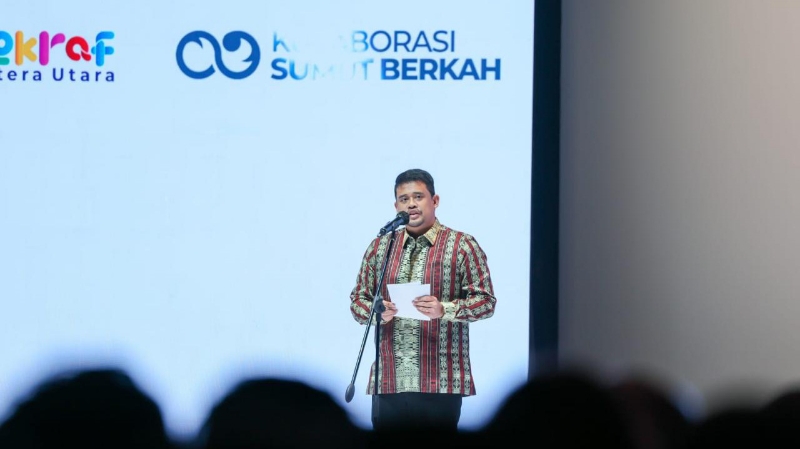
JAKARTA | INDATANEWS.COM - North Sumatra Governor Bobby Nasution has reaffirmed the provincial government's commitment to transforming North Sumatra into one of Indonesia's fashion industry centers through the development of traditional textile arts, known as Wastra. The region's cultural wealth, particularly the traditional Ulos fabric, is considered to hold significant potential to strengthen the people's economy while advancing Indonesia's fashion industry on the international stage.
Bobby made the statement during the closing ceremony of the Indonesia Fashion Week (IFW) 2026, which carried the theme "Ulos Simetria" in Jakarta on Sunday, August 2, 2026. The fashion event served as a strategic platform to introduce North Sumatra's cultural heritage to a wider audience while opening opportunities for collaboration with creative industry players at both national and international levels.
Bobby explained that traditional textile arts from North Sumatra are not only valuable cultural assets but also contain substantial economic potential if developed sustainably. According to him, Ulos and various regional handicraft products can play an important role in supporting the growth of Indonesia's fashion industry.
"We are ready to become one of Indonesia's fashion provinces because we believe that the cultural heritage passed down to us today, especially from North Sumatra, can strengthen the economy of the people of North Sumatra while also supporting the national economy, particularly in the fashion sector," Bobby said.
Bobby believes that combining traditional Ulos patterns with the creativity of modern fashion designers can produce unique works capable of competing on international fashion stages. He views Indonesia Fashion Week 2026 as an important moment to expand networks and strengthen cooperation between North Sumatra and the global fashion industry.
According to Bobby, collaboration between the government, artisans, designers, and creative economy players is the key factor in ensuring that North Sumatra's textile arts are not only recognized as cultural products but also developed into sustainable economic sectors within the creative industry.
He also expressed his appreciation for Indonesia Fashion Week and all parties involved in showcasing Indonesian craftsmanship and traditional textiles, particularly cultural products from North Sumatra. The North Sumatra Provincial Government, he said, will continue supporting various initiatives aimed at strengthening culture through traditional textile development.
"Therefore, we hope that this evening becomes the first step for us from North Sumatra to establish broader cooperation with the world and the international community in the future. We are also ready to build partnerships to further introduce our culture, especially traditional textile arts from North Sumatra," he said.
In addition to promoting traditional textiles, Bobby highlighted North Sumatra's culinary heritage, which already has strong appeal at the national level. Regional cuisine, he said, represents cultural strength that can further support the tourism sector.
"When it comes to North Sumatran cuisine, especially from Medan, people say there are only two kinds of flavors: delicious or very delicious," Bobby said.
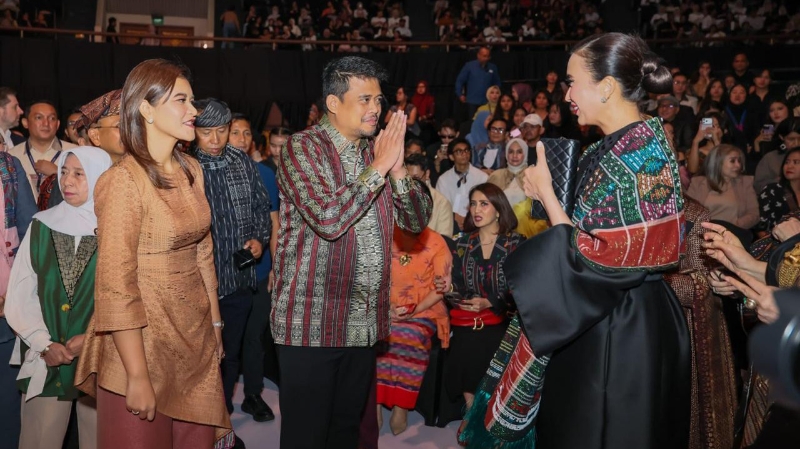
Tourism Minister Widiyanti Putri Wardhana also praised the cultural strength of Ulos, which has remained preserved despite changing times. She shared her impressive experience during a visit to the Lake Toba area, where she witnessed firsthand the process of making Ulos, a tradition that continues to be maintained by the Batak community.
According to Widiyanti, Ulos is not merely a traditional fabric but an integral part of Batak community life, carrying deep historical, philosophical, and cultural meanings.
"What touched me the most was seeing how Ulos continues to live as part of people's daily lives. Behind every piece of Ulos are the skilled hands of Batak women who preserve this tradition with great dedication," she said.
She emphasized that preserving local traditions is one of the most important strengths in building the character of a tourism destination. Traditions passed down through generations can provide visitors with unique and meaningful experiences.
"This tradition continues to be passed down, practiced, and carried with pride across generations. For me, this is precisely what gives a destination its unique character. In tourism, this character becomes the foundation for strong destination branding," she added.
Widiyanti expressed hope that Indonesia Fashion Week will continue developing into a platform that introduces Indonesia's cultural richness to the world. The diversity of Indonesian traditional textiles, she said, is a unique strength that few countries possess.
"Not many countries have textile diversity like Indonesia. What makes it even more special is that we have designers who can translate this cultural heritage into modern creations that continue to evolve and gain international recognition," she said.
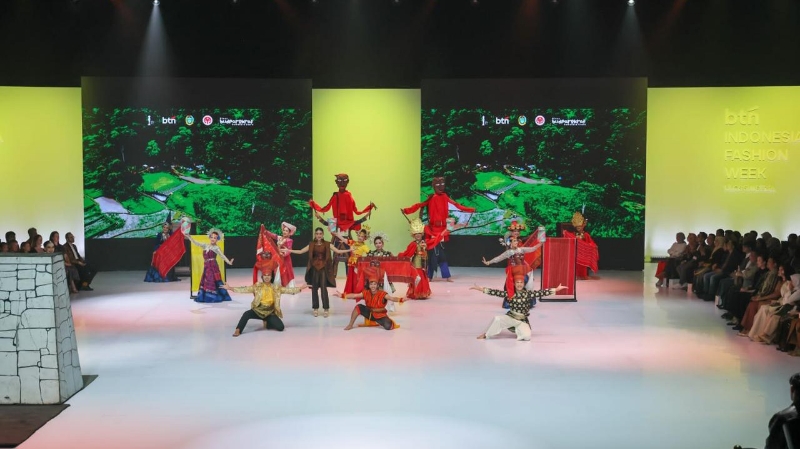
The Chairperson of the Association of Indonesian Fashion Development and Entrepreneurs (APPMI) and President of Indonesia Fashion Week, Poppy Dharsono, stated that the theme "Ulos Simetria" represents a message of balance between the advancement of the fashion industry and the preservation of cultural values.
According to Poppy, the development of Indonesia's fashion industry must continue alongside efforts to preserve traditional values. Innovation and culture, she said, are two complementary elements that will shape the future of the national fashion sector.
"For five days, we witnessed the best creativity from Indonesian talents, exchanges of ideas and innovation, as well as collaborations that strengthen Indonesia's position as one of the leading fashion forces in the region and globally," Poppy said.
Through Indonesia Fashion Week 2026, North Sumatra has demonstrated that cultural heritage such as Ulos has significant opportunities to be transformed into high-quality fashion products with economic value. Support from various stakeholders is expected to ensure that traditional textiles from North Sumatra become increasingly recognized not only in Indonesia but also in international markets. (IDNC)
REPORTER: Ahmad Zulfikar | EDITOR: Fik Sagala





 /home/u7391150/public_html/indatanews.com/theme/function.php on line 28