Thursday, 17 September 2026

JAKARTA | INDATANEWS.COM - The Indonesian government is placing particular emphasis on improving workforce skills, ensuring equal access to employment opportunities, and strengthening occupational safety and health (OSH) in discussions on the Draft Labor Protection Bill (RUU Pelindungan Ketenagakerjaan).
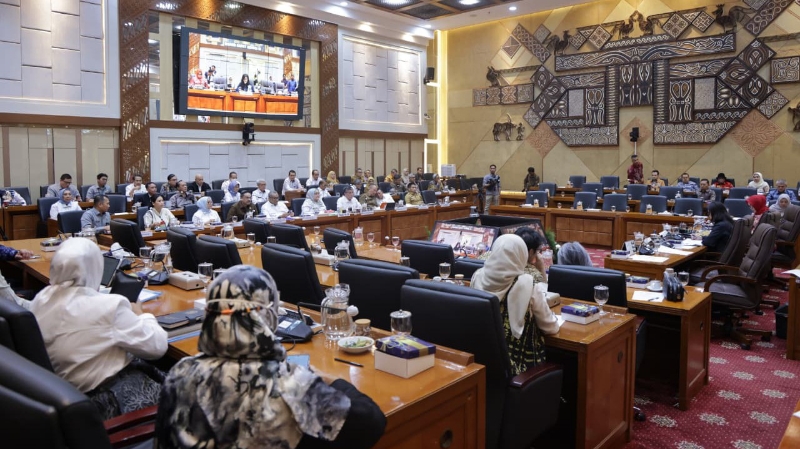
These priorities became evident when the government submitted the List of Issues (Daftar Inventarisasi Masalah/DIM) concerning the bill to Commission IX of the House of Representatives (DPR RI) during a working meeting on the first stage of deliberations at the parliamentary complex in Jakarta on Monday, September 14, 2026.The discussions are not limited to employment relations between workers and employers. The government is also seeking to ensure that the proposed legislation responds to labor market needs, strengthens the quality of human resources, creates fairer access to employment, and provides greater protection for workers in the workplace.
Manpower Minister Yassierli welcomed the DPR RI's initiative to draft the Labor Protection Bill. He said the regulation should take into account the interests of workers and businesses, as well as the needs of national and regional development.Within this framework, vocational education and training is regarded as one of the instruments for improving workforce qualifications. The government is seeking to ensure that training programs are more closely aligned with labor market and economic needs.
Training programs are also expected to be based on applicable competency standards. This is intended to create a stronger link between the development of professional skills and actual employment opportunities.In addition to competency standards, the government considers financing an important factor. Adequate financial support is regarded as necessary for implementing training initiatives and ensuring the sustainability of workforce skills development programs.
Improving professional skills is also linked to preparing workers to enter the labor market and adapt to changing requirements. Therefore, workforce planning and vocational training are expected to be integrated so that demand for workers with specific qualifications can be identified more effectively.Yassierli said the bill's proposed approach to labor market development would not be limited to productivity, but would also encompass the empowerment and protection of workers.
"Labor market development in this bill is aimed at optimally and humanely strengthening and utilizing the workforce, realizing equal employment opportunities, providing workers according to the needs of national and regional development, and improving the protection and welfare of workers and their families," Yassierli said.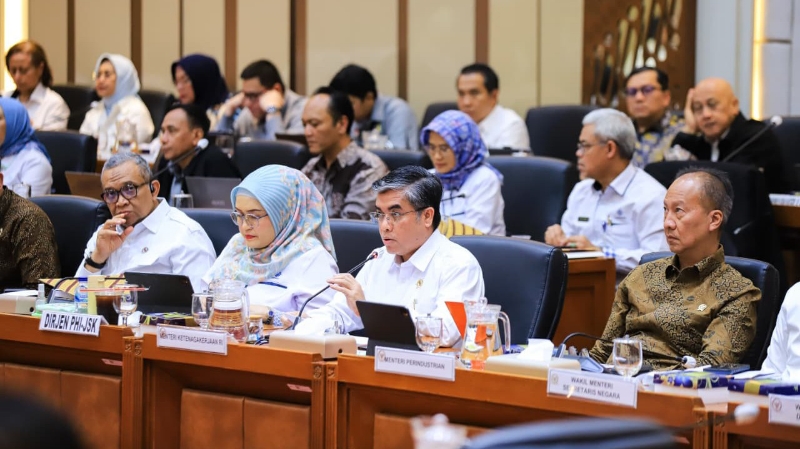
Alongside workforce skills, the government is also focusing on employment placement. Under its approach, employment placement procedures must be objective, transparent, fair and free from discrimination.
These principles are considered an important part of creating more equal access to employment. Gender equality in employment placement is also among the issues being considered by the government.Particular attention is also being given to groups requiring greater protection. The government highlights the importance of protecting people with disabilities and other vulnerable groups, including communities in underdeveloped regions.
Under this approach, employment is not viewed solely in terms of the number of jobs available. The ability of people to gain fair access to employment is also considered an important aspect of the bill's development.The government is also linking workforce requirements with national and regional development. Proper planning is expected to help better align development needs, economic requirements and available labor resources.
At the same time, labor and industrial relations remain part of the deliberations. The government believes employment relations must be managed harmoniously and fairly so that the interests of workers and employers can be accommodated within a balanced framework.Labor market policy is therefore intended not only to regulate employment relations but also to create an environment that supports productivity, employment opportunities and worker protection.
The implementation of occupational safety and health measures is directly related to the conditions under which workers perform their duties. Accordingly, relevant provisions are considered an important component of a comprehensive worker protection system.
The government also emphasizes the importance of labor inspections. It believes supervision should be supported by personnel with appropriate competence and independence who are capable of carrying out their duties effectively.Labor inspections play an important role in ensuring that all parties comply with applicable labor standards. The government considers effective oversight necessary to ensure that regulations ultimately adopted can be implemented consistently in practice.
Yassierli said the government would continue discussions on the Labor Protection Bill together with the DPR RI. Various labor policy issues and input received throughout the deliberation process will be taken into consideration.Also attending the working meeting on the first stage of deliberations were Industry Minister Agus Gumiwang Kartasasmita, Minister of Micro, Small and Medium Enterprises Maman Abdurrahman, Minister of Women's Empowerment and Child Protection Arifatul Choiri Fauzi, Deputy Manpower Minister Afriansyah Noor, Deputy Minister of Women's Empowerment and Child Protection Veronica Tan, Deputy State Secretary Bambang Eko Suhariyanto, Deputy Minister of Law Edward Omar Sharif Hiariej, and Deputy Home Affairs Minister Akhmad Wiyagus.
During the same meeting, Commission IX of the DPR RI approved the establishment of a Working Committee (Panitia Kerja/Panja) to continue deliberations on the bill.The establishment of the Panja is part of the next stage of the legislative process. The government and DPR RI will subsequently discuss various aspects of labor policy in greater depth, including professional skills development, equal access to employment opportunities, labor relations, occupational safety and health, and labor inspections.
The direction of the deliberations places workforce quality and worker protection among the key components of the proposed legislation. The government hopes that joint discussions with the DPR RI will produce regulations that address the needs of workers, businesses, and national and regional development. (IDNC)REPORTER: Ahmad Zulfikar | EDITOR: Fik Sagala






 /home/u7391150/public_html/indatanews.com/theme/function.php on line 28