Friday, 27 November 2026
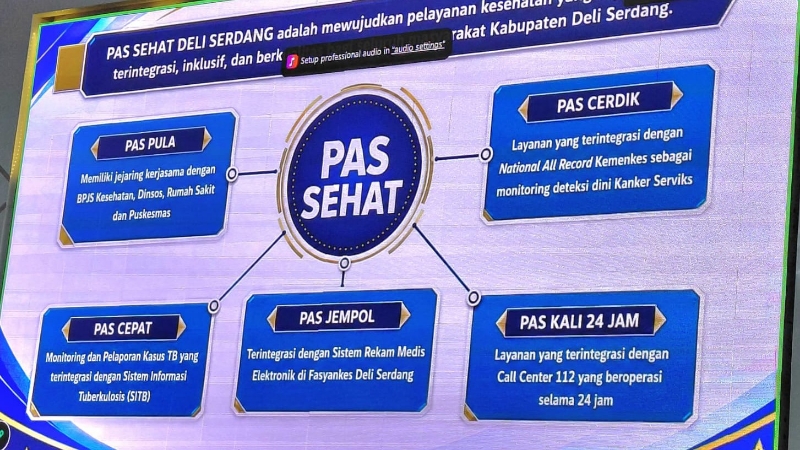
MEDAN | INDATANEWS.COM - The Deli Serdang Regency Government is stepping up efforts to improve healthcare services through two flagship innovations, Pas Sehat and Sipopi Rajin. Both initiatives were presented at the 2026 North Sumatra Provincial Regional Innovation Competition, held at the North Sumatra Regional Planning, Research and Innovation Agency (Bapperida) in Medan on Monday, 23 November 2026.
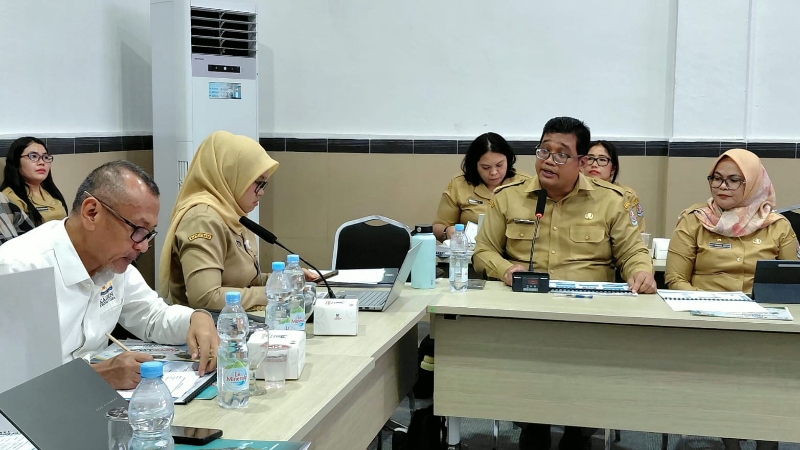
Representing Deli Serdang Regent Asri Ludin Tambunan, Administrative Assistant for General Affairs Rudi Akmal Tambunan outlined the concepts, implementation and expected benefits of the two initiatives before the judging panel.Pas Sehat is an integrated healthcare initiative comprising five programmes: Pas Jempol, Pas Pula, Pas Cerdik, Pas Cepat and Pas 24 Jam. The programmes aim to make healthcare services faster, more accessible and better suited to the needs of local communities.
Rudi explained that the initiatives form part of the regency administration's commitment to delivering tangible improvements in healthcare. The government hopes residents will experience better services through programmes designed to respond more effectively to their needs and conditions on the ground."We hope there will be improvements and a noticeable difference in healthcare services in Deli Serdang Regency. Moreover, the Regent has a medical background as a doctor, making improvements in healthcare quality one of his key priorities," he told the judging panel.
During the assessment session, jury member Professor Agus Purwoko said Pas Sehat had considerable potential to improve public access to healthcare. However, he suggested strengthening operational support, particularly by expanding the fleet of mobile healthcare vehicles.
He recommended that the Deli Serdang Regency Government increase and optimise its mobile healthcare fleet so medical personnel could reach residents in remote areas more effectively. Such measures would help reduce disparities in access to healthcare between urban communities and areas with limited medical facilities.Professor Agus also highlighted the importance of mapping local healthcare needs using disease data and regional health profiles. The local government, he said, should use this information to establish service priorities and ensure that programmes reach communities with the greatest need.
Data-driven planning could also help authorities identify areas facing particular health challenges. This would allow the government to assess programmes not merely by the number of activities delivered, but also by how effectively they reach their intended beneficiaries and the difference they make to local communities.Professor Agus also praised the Deli Serdang Regency Government's financial commitment to healthcare services. Its budget allocation increased from Rp1 billion in 2024 to Rp3.6 billion in 2025, with support continuing into 2026.
The increased funding reflects the local administration's attention to the long-term development of healthcare innovations. Progress has also been demonstrated through the growth in Pas Jempol participation and cooperation with the North Sumatra Provincial Government through the Priority Universal Health Coverage (UHC) programme.This collaboration is an important step towards strengthening public access to health protection and medical services. Cooperation between the regency and provincial administrations is expected to broaden the programmes' reach and improve the effectiveness of healthcare provision.
The innovation provides a home delivery service for patients' medicines. Through this arrangement, residents can receive their prescriptions without having to wait for extended periods or make another journey to hospital to collect their prepared medication.
The service is intended to ease the burden on residents, particularly older people, low-income households, families with young children and patients with limited mobility.Professor Agus described Sipopi Rajin as a practical solution to the challenges of medicine distribution. However, he recommended developing partnerships with app-based transport providers to extend the delivery network.
Such partnerships could make medicine distribution more efficient and allow the service to reach a wider range of beneficiaries. The local government could explore cooperation arrangements that reflect actual healthcare needs and operational capacity.He also encouraged the Deli Serdang administration to consider expanding the number of people eligible for the service. While Sipopi Rajin currently focuses on older people, low-income communities and families with young children, the programme could eventually be extended to the wider public.
Alongside expanding eligibility, the government should review which delivery arrangements would work most effectively. Medicines could be delivered either at patients' request or automatically to designated groups who meet the eligibility requirements.Any arrangement should take account of patients' needs, medicine availability, the readiness of healthcare personnel and long-term funding. With appropriate planning, Sipopi Rajin could develop into a more integrated and accessible medicine distribution system.
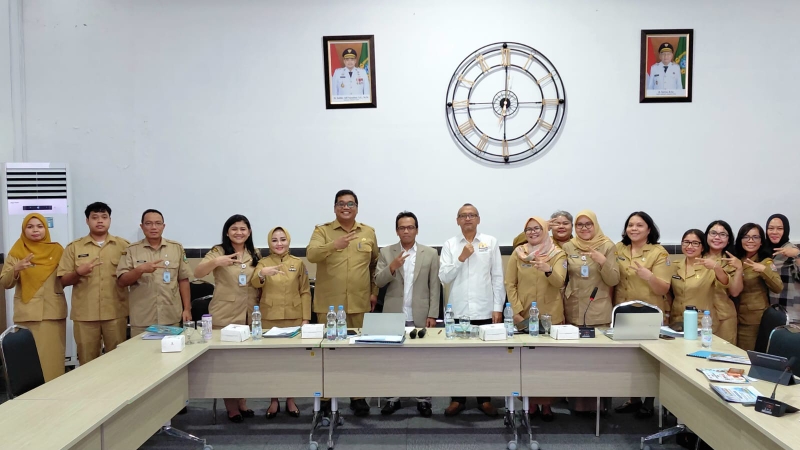
According to Bapperida North Sumatra, Deli Serdang recorded the highest number of submitted innovations among the participating regencies and cities.
Lyla said the increase in submissions should be matched by improvements in programme quality and tangible benefits for the public. In her view, local administrations should not develop innovations merely to keep pace with digitalisation and modernisation. What matters is whether those initiatives make a meaningful difference to people's lives."Innovation is not simply about keeping up with digitalisation and modernisation. What matters is that people can genuinely experience its benefits. We hope regional innovations will continue to grow, remain sustainable and serve communities in the years ahead," she said.
She also urged regency and city administrations to continue developing existing initiatives rather than allowing them to end once a competition has finished. Long-term implementation, improved service quality and the ability to respond to public needs are essential measures of a successful regional innovation.The presentation of Pas Sehat and Sipopi Rajin highlights Deli Serdang's efforts to make healthcare services more accessible. Expanding mobile healthcare services, using disease data for planning, improving medicine delivery and strengthening cross-sector partnerships are among the key areas that could support the further development of both initiatives.
Through continuous evaluation and improvement, the two programmes are expected to become more than just entries in a regional innovation competition. They are intended to deliver tangible improvements in healthcare quality and contribute to the well-being of communities across Deli Serdang Regency. (IDNC)REPORTER: Edi Saputra | EDITOR: Fik Sagala